Hansi Flick’s High-Wire Act: How Barcelona’s Aggressive Press Dominates La Liga—And Risks the Champions League
Averaging four goals a game in La Liga while sitting 5th in the Champions League, Hansi Flick’s Barcelona are Europe’s most thrilling—and polarizing—side. We break down how their offside trap and relentless counter-pressing work, and where elite opponents exploit them.
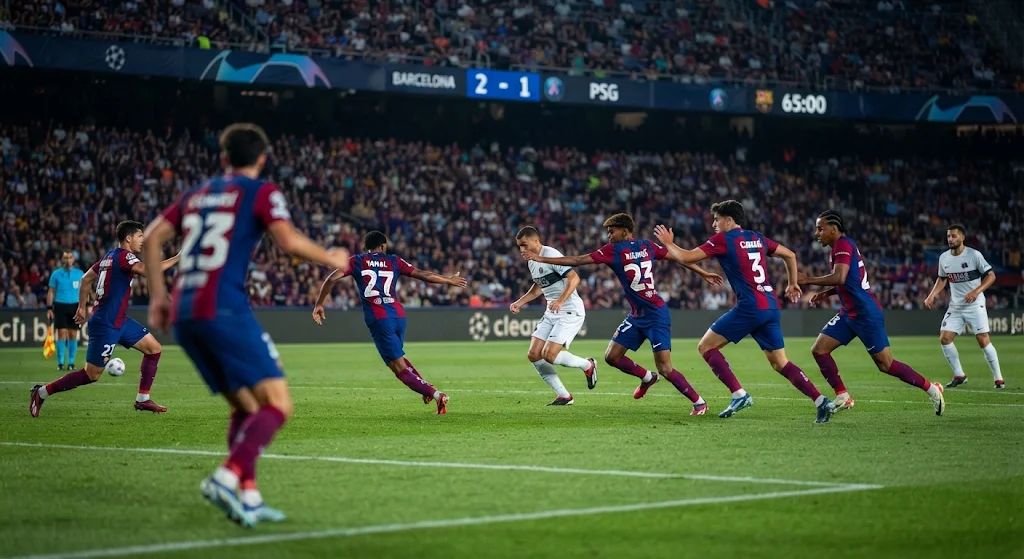
Hansi Flick’s High-Wire Act: How Barcelona’s Aggressive Press Dominates La Liga—And Risks the Champions League Few teams in modern European football walk a tighter tactical rope than Hansi Flick’s FC Barcelona in the 2026/27 campaign. Twelve matches into the La Liga season, the Blaugrana sit firmly on top of the table with 33 points and a staggering 48 goals scored—an average of four goals every 90 minutes. Across all competitions, Flick’s side recently hit 60 goals in just 15 matches, marking the highest-scoring start by a Barcelona team in a century. Yet beneath the fireworks of 6-1 routs over Alavés and gritty 2-1 away wins at Atlético Madrid lies a fascinating tactical paradox. While Flick’s ultra-aggressive pressing and razor-thin high defensive line suffocate domestic opponents, elite European sides have shown how quickly that same structure can unravel when bypassed—most notably in Barcelona’s 4-2 Champions League defeat away to Paris Saint-Germain. Competition (2026/27)Matches Played Record (W-D-L)Goals For Goals Against Goals / Game Current Position La Liga1211-0-148134.001st (33 pts)UEFA Champions League43-0-11463.505th (9 pts)To understand why Barcelona look unstoppable one week and dangerously exposed the next, we need to look inside the mechanics of Flick’s 4-2-3-1 system. How Does Barcelona’s 4-2-3-1 Pressing Trap Work? Flick’s attacking output is not built on slow, sterile possession; it is engineered through vertical counter-pressing. Out of possession, Barcelona morph from a 4-2-3-1 into an asymmetric, man-oriented pressing machine designed to trap opponents on one side of the pitch. Curved Pressing Runs from the Front: Whether Gabriel Jesus leads the line or Dani Olmo and Fermín López operate in the central pockets, Barcelona’s central attackers never press straight at a center-back. Instead, they arc their runs to cut off the passing lane to the opposite center-back, herding play toward one touchline. Touchline Overloads: Once the ball goes wide, Lamine Yamal or Raphinha jumps onto the opposing full-back while Alejandro Balde or Jules Koundé steps aggressively out of the backline to lock down the wing. The Double-Pivot Safety Net: With Rodri, Pedri, and Frenkie de Jong rotating through the midfield base, Barcelona keep two midfielders staggered just behind the first wave of pressure. When an opponent panics and clips a blind pass into central midfield, Rodri or Pedri steps in to intercept and immediately launches a vertical ball into space for Raphinha, Karim Adeyemi, or Anthony Gordon. In La Liga, where mid-table sides often lack elite press-resistant midfielders, this suffocation creates wave after wave of high-value turnovers inside the final third. Why Is Barcelona’s Offside Trap So Effective—And So Risky? The defining visual of Hansi Flick’s Barcelona is a back four—anchored by 19-year-old Pau Cubarsí alongside Koundé, Balde, or João Cancelo holding a defensive line near the halfway line, sometimes 45 to 50 yards from goalkeeper Joan García. Rather than reacting to the ball being kicked, Barcelona’s defenders step up on visual triggers: The Back-Pass Trigger: The instant an opposing midfielder turns toward their own goal or plays a square pass under pressure, Cubarsí barks the command and the entire back four sprints forward three to five yards in unison. Open Body Shape: Because Barcelona’s center-backs are unusually quick over the first ten yards and disciplined with their body orientation, opposing strikers constantly mistime their runs by half a stride. However, the margin for error is virtually zero. If the front line fails to put immediate pressure on the ball carrier—meaning the opposing passer has time to lift their head with their foot on the ball—Barcelona’s high line becomes a liability rather than a trap.How Do Champions League Opponents Exploit Flick’s System? Barcelona’s 3-0 Champions League victory over Aston Villa showed how dominant this system looks when the press clicks for 90 minutes. Conversely, their 4-2 loss to PSG at the Parc des Princes exposed the exact blueprint top European managers use to dismantle Flick’s high line: Third-Man Runs from Deep: A static striker standing on Cubarsí’s shoulder will almost always be caught offside. Elite teams bypass the trap by using a false nine to drop into midfield—dragging a center-back out—while an unopposed midfielder bursts from deep into the vacated channel. First-Time Diagonal Switches: Because Barcelona overload the ball-side touchline to spring their press, the far side of the pitch is left wide open. Teams with elite ball-playing midfielders (like PSG’s Vitinha and Fabián Ruiz) absorb the initial press and hit first-time diagonal balls into the weak-side half-space before Barcelona’s back four can shuffle across. Goalkeeper Sweeping Pressure: Playing with a 45-yard buffer forces Joan García to act as an eleventh outfielder. Any slight hesitation on a through-ball leaves the goalkeeper stranded in 1v1 duels against Europe’s fastest forwards. What Adjustments Must Flick Make Before the Knockout Rounds? Sitting 5th in the Champions League league phase with 9 points from 4 matches, Barcelona are in strong position to qualify directly for the Round of 16. Still, winning a two-legged knockout tie against Manchester City, Real Madrid, or PSG requires game-state management. Flick does not need to abandon the identity that has produced 48 goals in 12 La Liga games. Instead, Barcelona need a controlled "gear-down" phase when holding a lead in Europe—dropping the defensive line by just 8 to 10 yards during moments when the front three cannot apply clean pressure on the ball. If Flick can marry Barcelona’s ruthless pressing efficiency with subtle rest-defense pragmatism, their domestic dominance could easily translate into a deep Champions League run come spring.
Read next
Stories you should not miss


Related stories

Published Tuesday, 17 November 2026. Published through the Nisty Football newsroom.
Enjoyed it? Tell us — and pass it on
The discussion
What do you think? (0)
Leave a comment
No account needed · 0 approved
0/1500 characters · comments are reviewed before publication
The Daily Kick-off
Football in your inbox, every morning at 7am
One email: the overnight transfer moves, the tactical story of the night, and every fixture that matters today. No noise, no clickbait.
More from Nisty Football
Related stories

Licha Drops the Mask: Martínez Exposes United's Rotten Core, But the Dressing Room Isn't Innocent
"You keep changing managers but what about other areas?" That is not a throwaway remark. It is a defender looking past the touchline and pointing at the people upstairs.
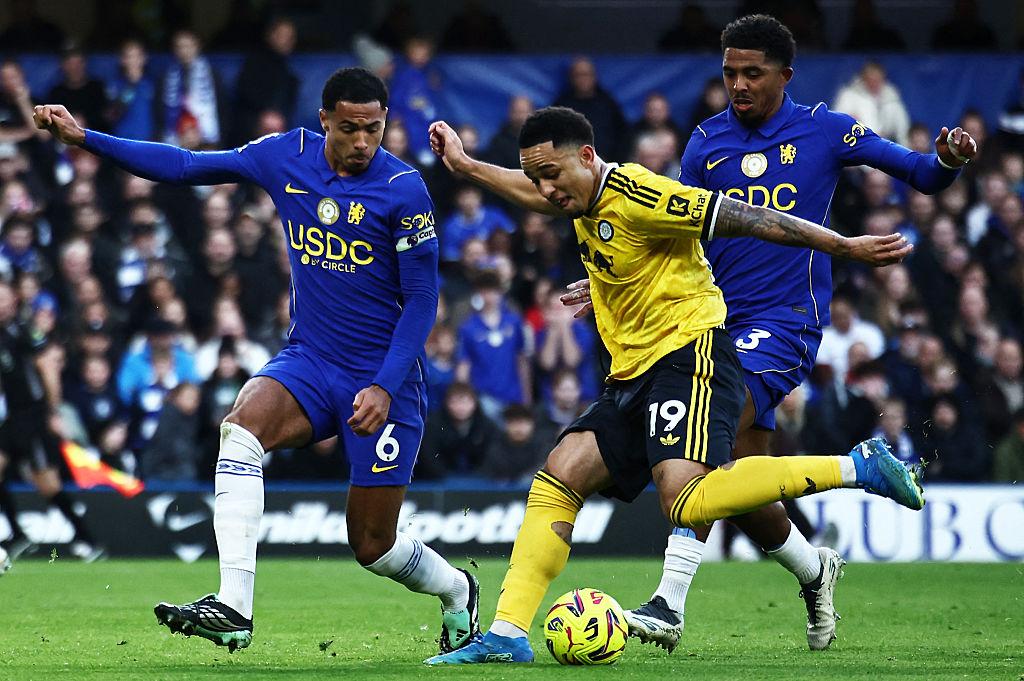
Chelsea Had the Ball, Leeds Had the Game: How Farke's Side Turned Possession Into a Nightmare
Chelsea enjoyed more possession but Leeds United dominated the decisive moments, producing a ruthless 4–1 victory at Stamford Bridge through intelligent transitions and clinical finishing.
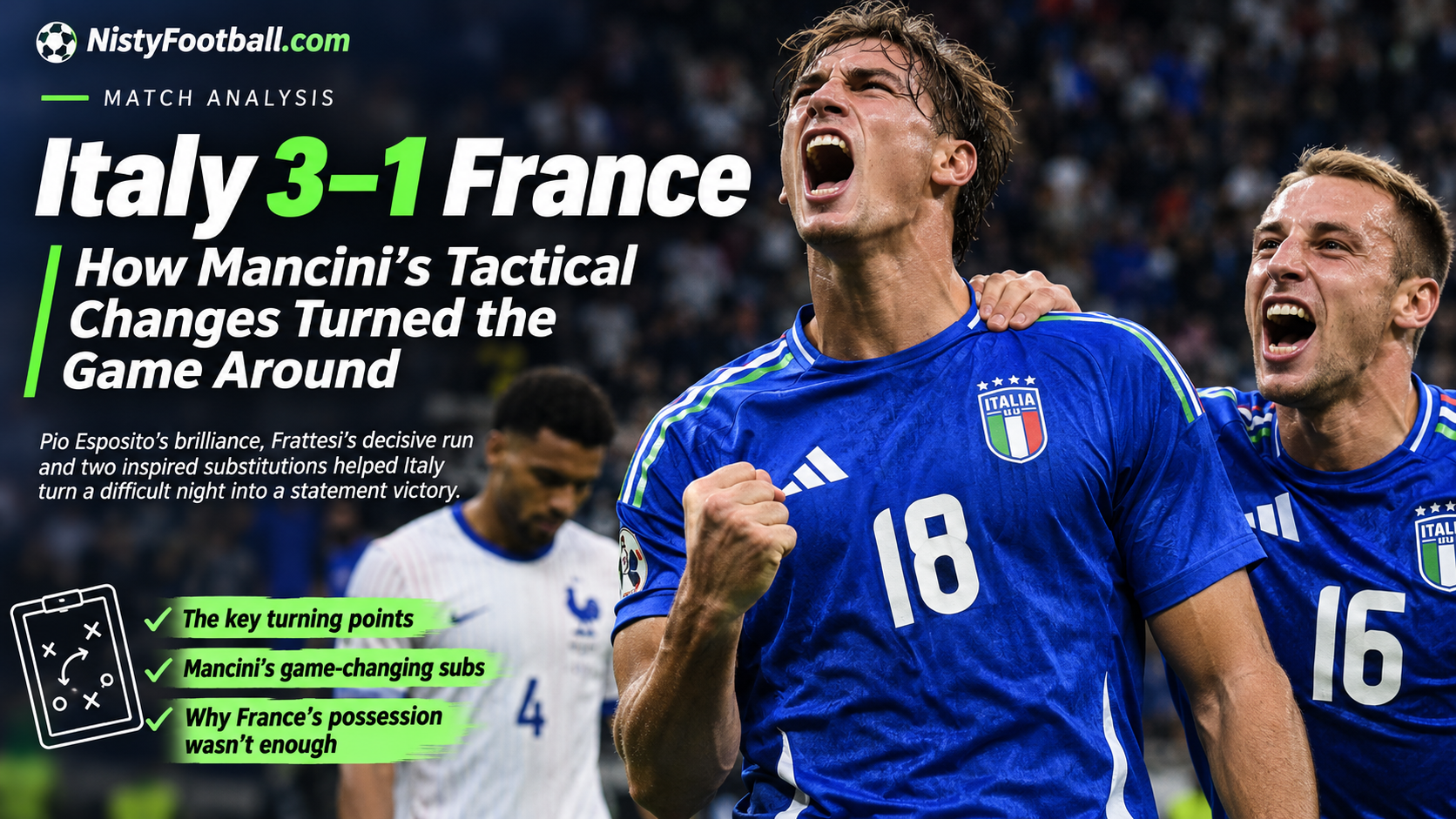
Italy 3–1 France: How Mancini's Tactical Changes Turned the Game Around
France dominated possession, but Italy dominated the decisive moments. Pio Esposito's brace, Frattesi's clinical finish and Mancini's inspired substitutions delivered a remarkable 3-1 comeback victory at San Siro.
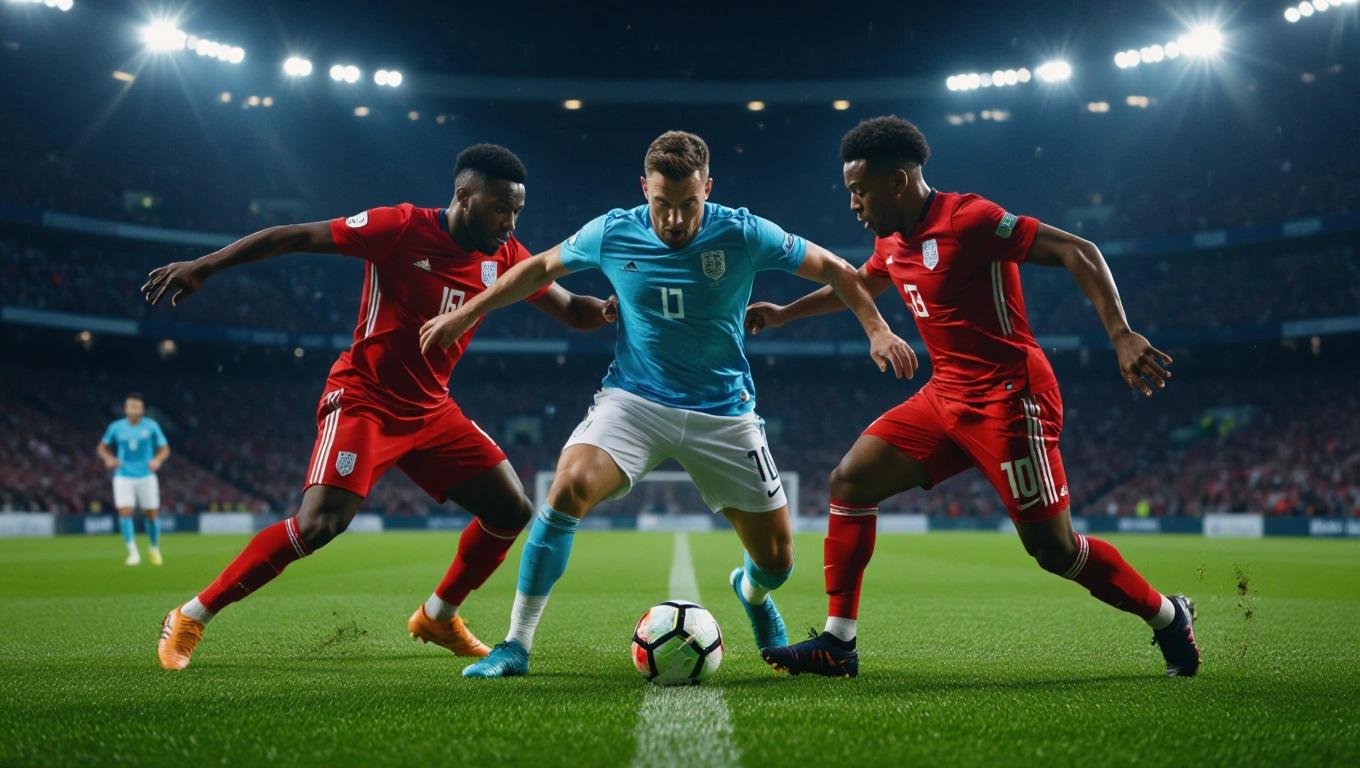
The Pressing Trap: How Football’s Most Fearsome Weapon Can Become Its Biggest Weakness
High pressing can suffocate opponents, force mistakes and create goalscoring opportunities. But what happens when the press is beaten? From Manchester City's defensive struggles to Benfica's tactical discipline and Guardiola's solutions against Arsenal, we examine how football's most aggressive defensive weapon can quickly become its biggest weakness.