One Goal, Two Champions: CAS Set to Decide Senegal-Morocco AFCON Title Dispute
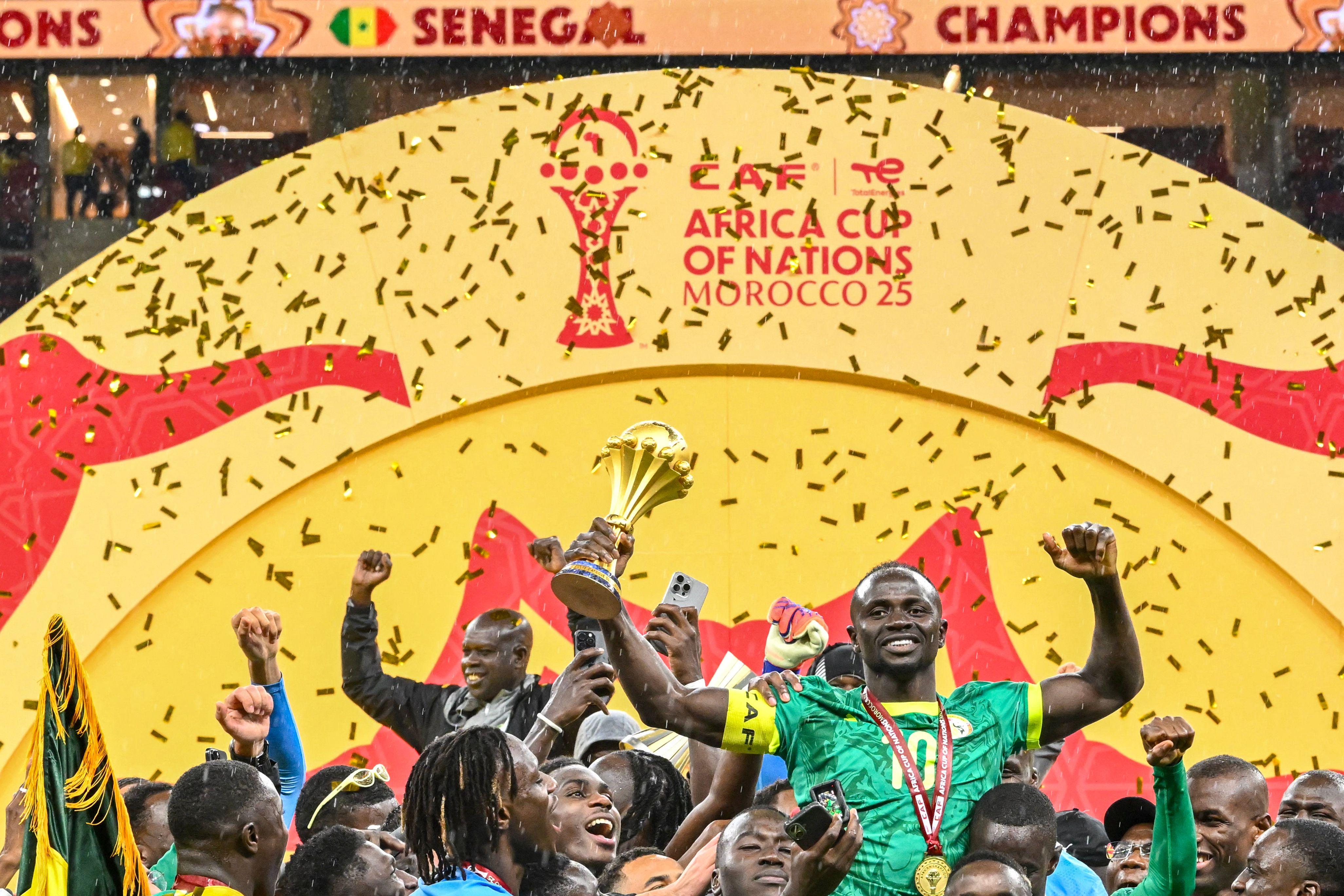
Senegal won the AFCON final against Morocco, but CAF later overturned the result. Now CAS is preparing to deliver a verdict that could settle one of African football's biggest controversies.
One Goal, Two Champions: CAS Set to Decide Senegal-Morocco AFCON Title Dispute
By Mary Pelumi | NistyFootball
Senegal won the Africa Cup of Nations final on the pitch. Morocco was subsequently awarded the title in a boardroom. Now, the world's highest sports arbitration tribunal is preparing to determine which decision will stand.
The Court of Arbitration for Sport (CAS) is expected to deliver its verdict on Tuesday, 24 November 2026, bringing a potentially historic dispute in African football closer to its conclusion.
The controversy dates back to 18 January 2026, when Senegal defeated hosts Morocco 1–0 after extra time at the Prince Moulay Abdellah Stadium in Rabat. Pape Gueye scored the decisive goal in the 94th minute, seemingly securing Senegal's second continental championship.
However, the celebrations would eventually turn into a legal battle.
On 17 March, the Confederation of African Football (CAF) Appeal Board overturned the result, ruling that Senegal had forfeited the final after their players walked off the pitch in protest. The original result was replaced with a 3–0 victory for Morocco, handing the North African nation its first AFCON title since 1976.
Senegal refused to accept the decision and appealed to CAS on 25 March.
Following a closed-door hearing in Lausanne, Switzerland, on 8 October, the parties have been awaiting a final decision. CAS subsequently announced that it would issue a full, reasoned award, with the verdict now scheduled for this afternoon.
What began as a controversial football final has become a major legal test for African football governance.
WHAT REALLY HAPPENED IN RABAT?
The final was goalless deep into stoppage time when the controversy erupted.
Senegal appeared to have scored through a set-piece situation, but referee Jean-Jacques Ndala disallowed the goal for an alleged foul by Abdoulaye Seck on Achraf Hakimi.
Moments later, Morocco were awarded a penalty following a VAR review of a challenge involving Brahim Díaz and El Hadji Malick Diouf.
The decision triggered furious protests from the Senegalese players and technical staff. Head coach Pape Thiaw instructed his players to leave the pitch, with several heading towards the dressing room.
The situation quickly escalated. Some Senegalese supporters attempted to invade the pitch, while tensions between players, officials and supporters threatened to overshadow the final.
Play was suspended for approximately 14 minutes.
Captain Sadio Mané eventually played a crucial role in persuading his teammates to return and complete the match.
When play resumed, Brahim Díaz stepped forward to take the penalty. Attempting a Panenka-style chip, the Moroccan forward watched his effort comfortably saved by Senegal goalkeeper Édouard Mendy.
The missed opportunity proved costly.
The match proceeded into extra time, where Pape Gueye produced a powerful finish to give Senegal a 1–0 victory.
At that moment, Senegal appeared to have settled the argument on the football pitch. But the controversy was far from over.
HOW CAF OVERTURNED THE RESULT
The first major administrative decision came on 28 January 2026.
CAF's Disciplinary Board imposed sanctions on both federations, players and officials following the incidents during the final.
Senegal coach Pape Thiaw received a five-match suspension and a $100,000 fine. Senegal's football federation was also handed substantial financial penalties, while Morocco and several of its players and officials received sanctions of their own.
Importantly, the Disciplinary Board rejected Morocco's initial protest seeking a forfeiture under Articles 82 and 84 of the AFCON regulations. The 1–0 result remained intact at that stage.
Morocco, however, was not prepared to let the matter rest.
The Royal Moroccan Football Federation challenged the decision, taking its case to CAF's Appeal Board.
On 17 March, the Appeal Board reversed the earlier position. It found that Senegal had breached Article 82 of the tournament regulations and applied Article 84, declaring that the team had forfeited the final.
The result was officially changed to 3–0 in Morocco's favour.
With that decision, Morocco was recognised as the 2025 African champion, despite losing the final on the pitch.
The ruling sparked widespread debate over the authority of football governing bodies and the relationship between disciplinary regulations and the decisions made during a match.
TWO SIDES, TWO VERY DIFFERENT ARGUMENTS
For Morocco, the position is straightforward: tournament regulations must be respected.
The Moroccan federation welcomed CAF's decision, maintaining that the rules governing the competition should apply equally to every participating nation.
From that perspective, Senegal's decision to leave the field without the referee's permission constituted a serious breach that justified the forfeiture.
Senegal, however, strongly disagrees.
The Senegalese Football Federation described CAF's decision as unfair, unprecedented and unacceptable. Its representatives maintain that the team should not lose a match that was eventually completed with the referee's consent.
Senegal's argument centres on the authority of the referee and the circumstances surrounding the resumption and completion of the final.
The debate also raises an important legal distinction.
The Laws of the Game establish the referee's authority over decisions made during a match. However, competition regulations also provide disciplinary procedures for misconduct by teams and officials.
The central question is whether Senegal's temporary withdrawal from the field justified a forfeiture under CAF's competition regulations, even though the referee subsequently allowed the match to continue.
That is the issue CAS must examine.
It is not simply a question of who scored the winning goal. It is about whether CAF was legally entitled to replace the result of a completed match through its disciplinary appeal process.
THE ROAD TO THE COURT OF ARBITRATION FOR SPORT
Senegal formally appealed to CAS on 25 March 2026, challenging CAF's decision and seeking to have its victory restored.
The case brought together three parties: the Senegalese Football Federation, CAF and the Royal Moroccan Football Federation.
A hearing was eventually held behind closed doors at CAS headquarters in Lausanne on 8 October.
Initially, there were expectations that the verdict would follow within days. However, the arbitration panel opted to prepare a full, reasoned decision, known as a CAS Award.
That process required additional time.
CAS has now confirmed that the parties have been notified that the decision will be delivered on 24 November, during the afternoon.
The award will carry binding legal authority within the sports arbitration framework, although enforcement may involve the relevant sporting bodies and, depending on the circumstances, national courts.
For Senegal and Morocco, the decision will determine the official status of one of the most controversial AFCON finals in history.
WHAT HAPPENS NEXT?
There are significant consequences attached to either possible outcome.
If CAS upholds CAF's decision, Morocco's 3–0 victory and its status as the 2025 African champions will stand. Senegal will have lost its appeal, and CAF's interpretation of its competition regulations will receive an important legal endorsement.
If CAS overturns the decision, Senegal could have its original 1–0 victory restored, reversing the administrative outcome that followed the final.
The precise remedy will depend on the tribunal's findings and the terms of its award.
Beyond the trophy, the verdict could establish an important precedent for future African football competitions.
It could clarify the extent to which governing bodies can impose forfeitures after matches have resumed and been completed, as well as the consequences of teams leaving the field in protest.
It will also send a message to national federations, coaches and players about the responsibilities they carry when emotions threaten to take control of a football match.
MORE THAN A TROPHY
Whatever the outcome, the Senegal-Morocco controversy has already exposed difficult questions about football governance, disciplinary authority and the credibility of African football's institutions.
Senegal believes its victory on the pitch should be respected. Morocco maintains that the regulations must be enforced. CAF has defended the decision of its Appeal Board.
Now, the responsibility rests with CAS.
One goal separated the two countries on the night in Rabat. An administrative ruling subsequently changed the result, creating an extraordinary situation in which two nations have competing claims to the same continental crown.
On Tuesday, 24 November, the football world awaits an answer.
One final. One goal. Two champions in dispute. Only one verdict can settle the matter.
Read next
Stories you should not miss
Breaking
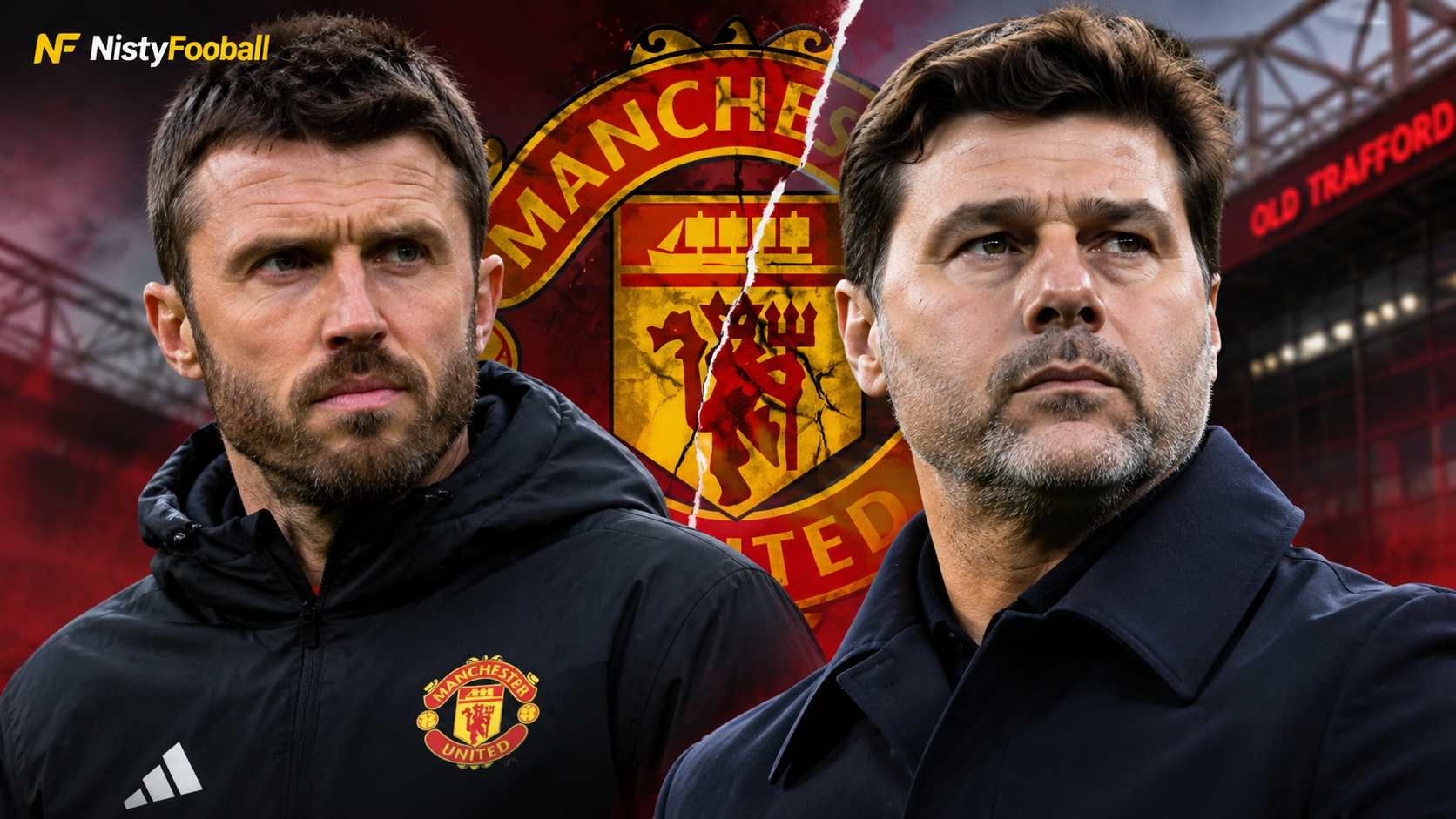
Carrick on the Brink! Manchester United Turn to Pochettino as Crisis Deepens

Breaking
THEY HAVE MADE AFRICA DREAM AGAIN! FLAMINGOS SOAR INTO HISTORY AS NIGERIA STUN BRAZIL TO REACH FIRST U-17 WORLD CUP FINAL

Breaking
THE BOY FROM MADEIRA, THE KING OF PORTUGAL: CRISTIANO RONALDO'S FINAL GOODBYE TO THE SHIRT THAT MADE HIM IMMORTAL
Published Tuesday, 24 November 2026. Published through the Nisty Football newsroom.
Enjoyed it? Tell us — and pass it on
The discussion
What do you think? (0)
Leave a comment
No account needed · 0 approved
0/1500 characters · comments are reviewed before publication
The Daily Kick-off
Football in your inbox, every morning at 7am
One email: the overnight transfer moves, the tactical story of the night, and every fixture that matters today. No noise, no clickbait.
More from Nisty Football
Related stories
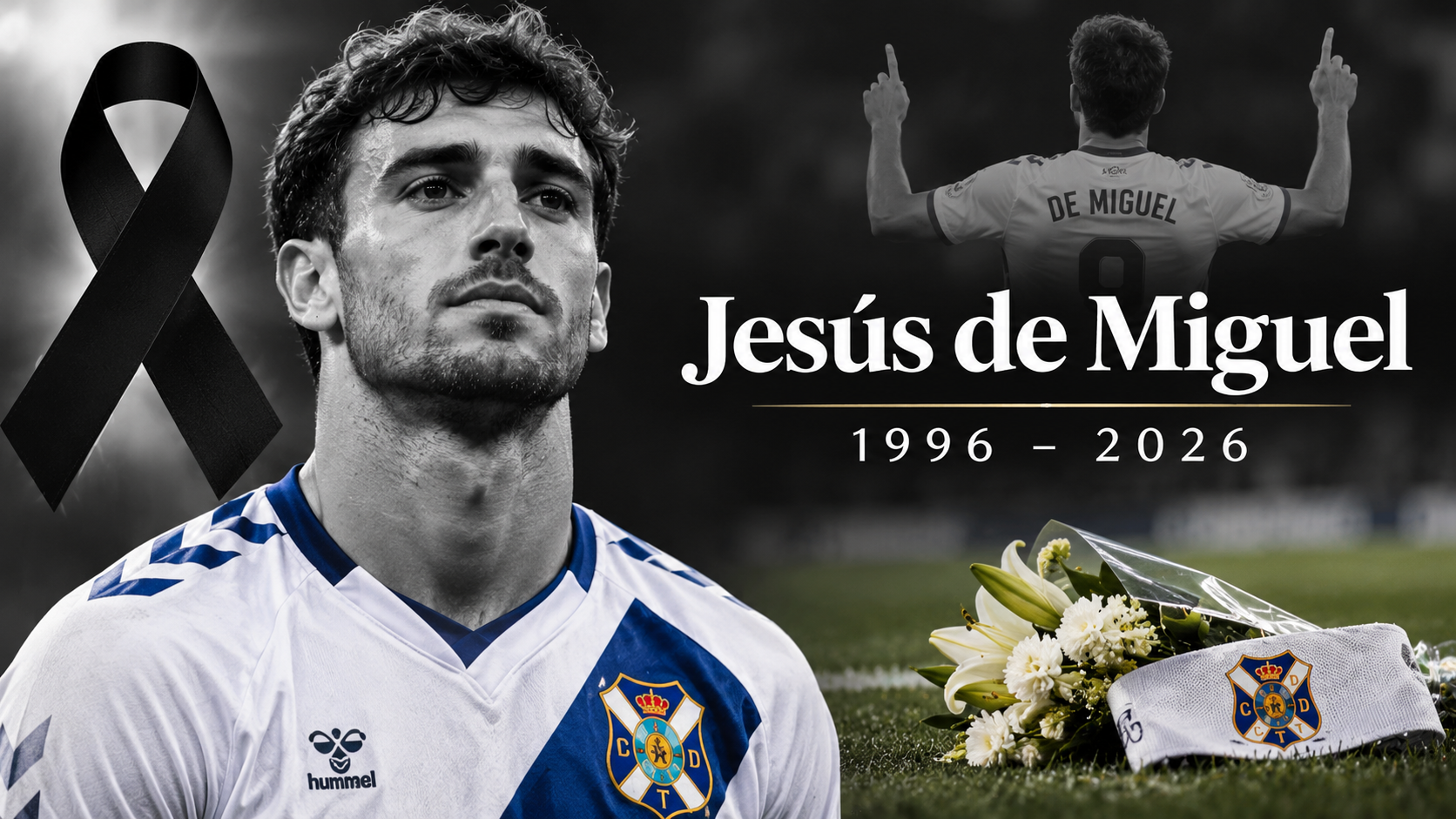
Football Mourns Jesús de Miguel After Player Dies Following Mid-Match Collapse
football is mourning CD Tenerife forward Jesús de Miguel, who has died aged 30 after collapsing during a match against FC Andorra. Tributes have poured in as authorities investigate the circumstances surrounding his death.
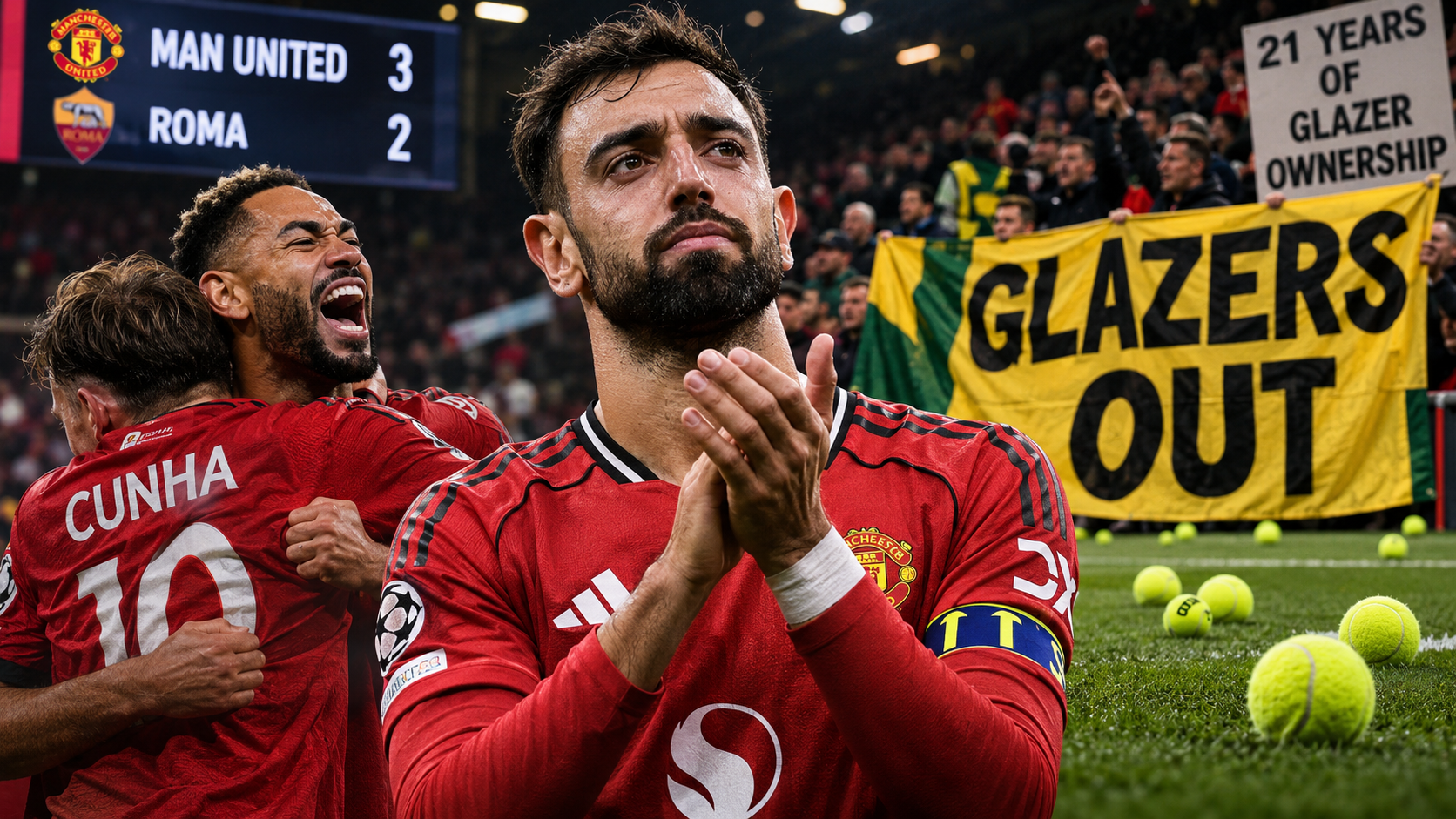
Manchester United Beat Roma, But Bruno Fernandes and the Glazers Tell Two Very Different Stories
A comeback against Roma cannot erase 21 years of frustration. As Bruno Fernandes challenges media speculation, Manchester United supporters continue to demand answers from the Glazers.

Lisandro Martínez Is Becoming Manchester United’s Convenient Scapegoat — And the Real Culprits Are Still in the Boardroom
Lisandro Martínez is facing mounting criticism, but is Manchester United's media narrative missing the bigger picture? From the Glazers' ownership to recruitment failures, here's why the defender should not become the club's convenient scapegoat.

Ballon d’Or Betting Scandal: Mysterious Accounts Win Nearly $200,000 as Organisers Pursue Legal Action
Twelve mysterious betting accounts reportedly won nearly $200,000 after correctly predicting the exact 2026 Ballon d’Or top five. Now, organisers are pursuing legal action amid suspicions that confidential voting information may have been leaked.