Lisandro Martínez Is Becoming Manchester United’s Convenient Scapegoat — And the Real Culprits Are Still in the Boardroom
Lisandro Martínez is facing mounting criticism, but is Manchester United's media narrative missing the bigger picture? From the Glazers' ownership to recruitment failures, here's why the defender should not become the club's convenient scapegoat.
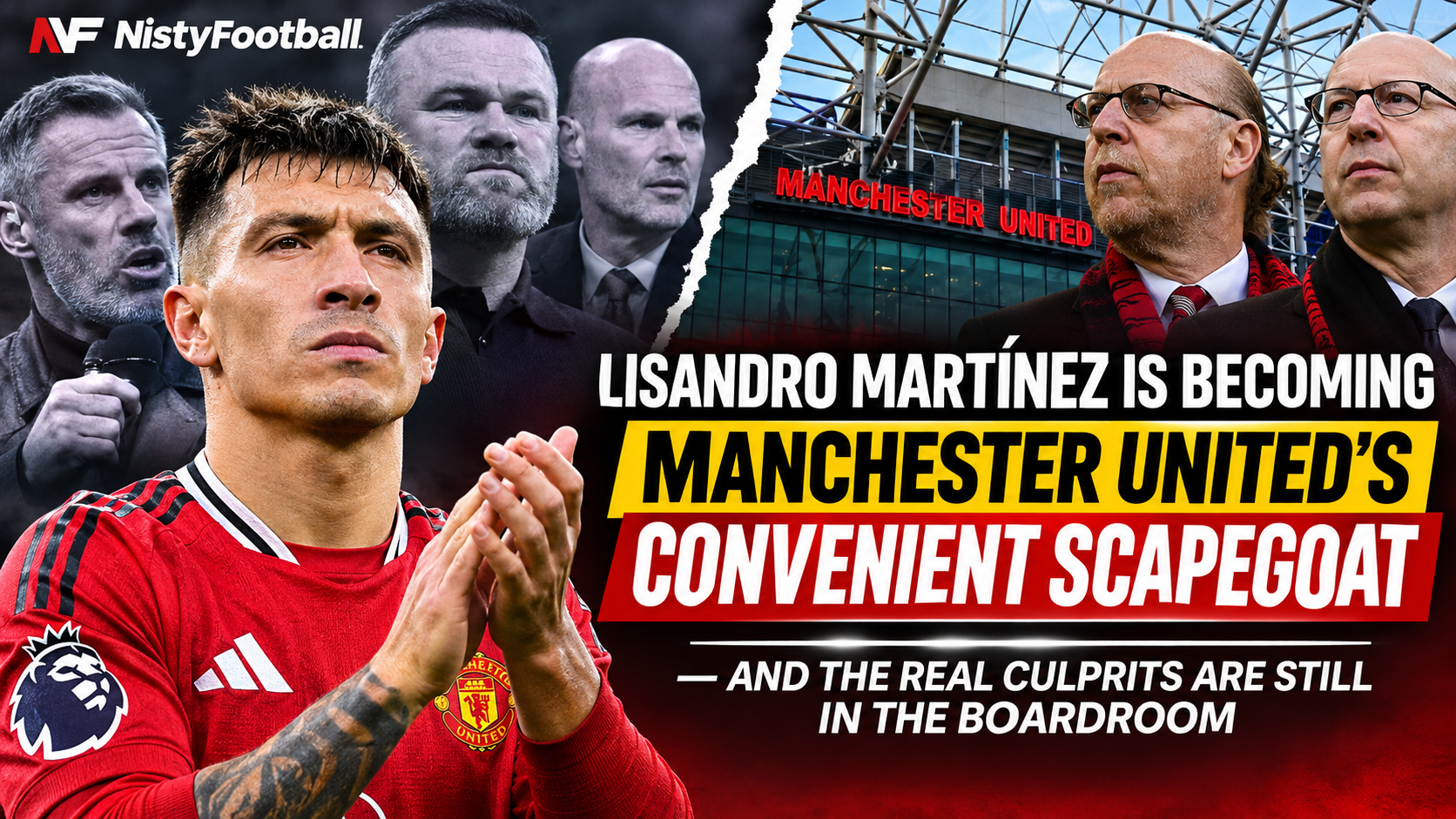
The football media’s growing obsession with Martínez’s shortcomings is distracting from a much bigger question: who is holding Manchester United’s owners and executives accountable for the institutional failures that continue to undermine the club?
There is something remarkably convenient about the way football conversations are increasingly being framed at Manchester United.
A club struggling with years of institutional instability, questionable recruitment, financial constraints, executive disagreements and an ownership structure that has attracted sustained criticism suddenly finds itself having another very important conversation.
Lisandro Martínez.
His performances are being dissected. His comments are being questioned. His temperament is being examined. His mistakes are being replayed. His suitability to play for Manchester United is being debated.
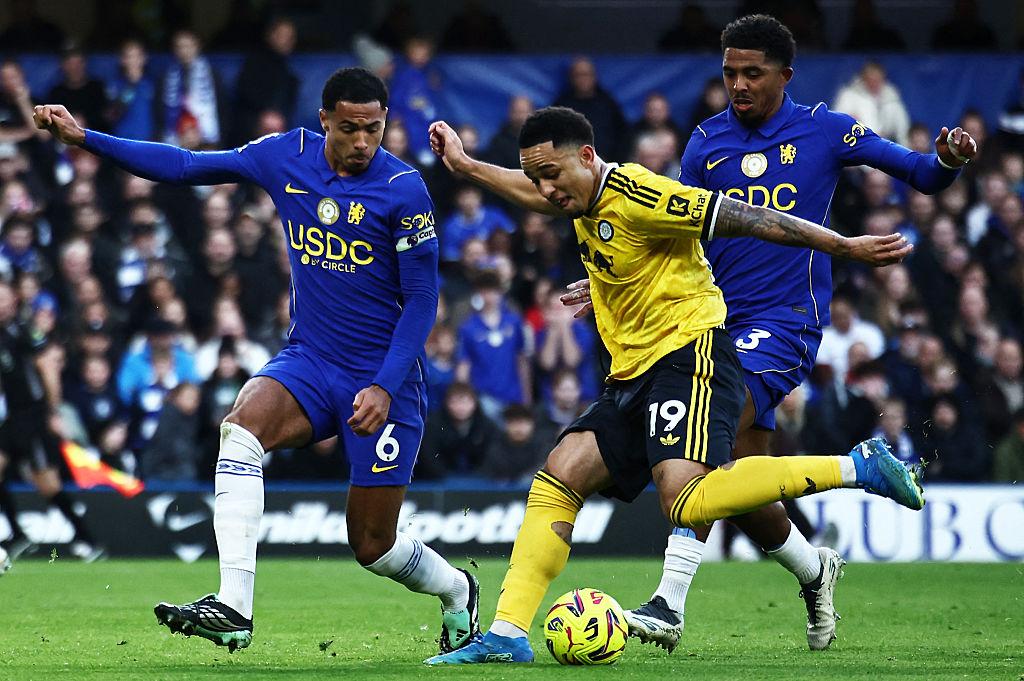
And now, following his dismissal against Chelsea, the criticism has found another convenient entry point.
Apparently, Martínez is becoming the story.
But is he really the story, or has he simply become the easiest person to make one out of?
Let’s be clear: Martínez is not immune to criticism. Nobody wearing a Manchester United shirt should be. His defensive errors deserve scrutiny, his disciplinary record deserves examination, and his performances must be judged against the standards expected at Old Trafford.
But there is a considerable difference between holding a footballer accountable for his performances and allowing his individual shortcomings to become a convenient distraction from the people responsible for running the football club.
That distinction appears to be getting lost.
The crime of saying what others would rather not discuss
When Manchester United lost 2-0 to Atlético Madrid, Martínez did something that has become increasingly uncomfortable in modern football.
He pointed upwards.
Rather than allowing another disappointing result to be reduced to a familiar discussion about the manager’s tactics or the players’ performances, the Argentine insisted that responsibility extended beyond the dressing room.
He questioned the club’s recruitment, expressed disappointment with the level of investment and specifically challenged technical director Jason Wilcox.
His message was hardly complicated: Manchester United cannot expect to compete with Europe’s leading clubs while consistently failing to address obvious weaknesses in the squad.
Was his timing perfect? Perhaps not.
Could his comments have been handled internally? Certainly.
But why has the reaction to the messenger become such a significant talking point, while the message itself risks being forgotten?
Jamie Carragher described Martínez’s comments as awful, questioning whether his own performances justified such criticism of the hierarchy. Wayne Rooney considered the remarks disrespectful, while Ashley Young also questioned the wisdom of speaking publicly.
These are legitimate opinions, and former professionals are entitled to express them.
However, there is a bigger question worth asking: why does questioning the people in the boardroom appear to generate such discomfort in football’s punditry circles?
A player can be criticised for a misplaced pass, a poor tackle or a defensive error. Yet when that same player dares to question the decisions of the people responsible for building the squad, suddenly the conversation shifts towards his authority to speak.
Perhaps the more uncomfortable question should be whether the hierarchy has earned the benefit of such protection.
The Glazers cannot disappear from this conversation
Manchester United’s problems did not begin with Lisandro Martínez.
They did not begin with Michael Carrick. They did not begin with the latest transfer window. And they certainly did not begin with one unfortunate red card.
The Glazer family’s ownership has been a defining feature of United’s decline from the summit of English and European football.
The leveraged takeover, the debt burden, the controversy surrounding dividends, the deterioration of club infrastructure and the prolonged dissatisfaction among supporters have all formed part of the debate surrounding their ownership.
The financial consequences are not abstract.
The Guardian’s examination of Martínez’s comments highlighted the more than £1bn associated with the Glazers’ ownership through debt-related interest payments, dividends and share sales, alongside years of underinvestment in Old Trafford and Carrington.
That is the context in which questions about recruitment and investment should be examined.
Manchester United are one of the world’s most commercially powerful football institutions. Yet the club has repeatedly found itself discussing financial restrictions, squad rebuilding and the difficulty of moving players on before bringing in replacements.
How did a club of United’s commercial stature arrive at this position?
Who made the decisions that created this situation?
Who is responsible for ensuring that footballing ambition is supported by an effective recruitment structure?
And, perhaps most importantly, why does the conversation so often become louder when a player makes a mistake than when the club’s leadership makes decisions with consequences that can last several seasons?
These questions deserve more than occasional mention during a television debate.
They deserve sustained scrutiny.
Martínez is not the architect of Manchester United’s problems
There is a tendency in football to judge players in isolation, as though individual performances exist independently of the environment surrounding them.
But football is a collective sport.
A defender operates within a defensive structure. A midfielder depends on balance and protection. A team requires recruitment that complements its tactical demands.
When those structures are inadequate, individual weaknesses can become more exposed.
That does not excuse Martínez’s mistakes. It does, however, make it intellectually dishonest to discuss his shortcomings while ignoring the broader footballing environment.
The Argentine arrived from Ajax with a reputation built on aggression, technical ability, competitive spirit and an extraordinary willingness to defend.
His stature has always been part of the discussion. His ability to compete physically in the Premier League has repeatedly been questioned.
Yet he has also demonstrated qualities that Manchester United have desperately needed: personality, commitment, aggression and a willingness to take responsibility.
He is not a perfect defender. But neither is he the sole explanation for a club that has repeatedly struggled to build a coherent, consistently competitive squad.
And when a player becomes the centre of every conversation about a club’s problems, it is worth asking whether the scrutiny is being distributed properly.
The double standards surrounding accountability
Perhaps the most interesting development is how quickly the discussion changes depending on who is being criticised.
When a manager questions his players, it is often described as demanding standards.
When pundits question a player’s performances, it is considered part of football analysis.
When supporters question the ownership, it is dismissed by some as negativity.
But when a player questions the people above him, the debate suddenly becomes about dressing-room discipline, respect, professionalism and whether he has earned the right to speak.
Why?
Are players not employees of the same institution whose future they are expected to protect?
Are they not directly affected by decisions about recruitment, squad construction and investment?
And should supporters, who invest their money, time and emotions into the club, not be interested in hearing what those inside the dressing room think about the decisions being made?
Paul Robinson acknowledged that he understood Martínez’s point, despite questioning his timing. Sky Sports’ subsequent analysis also highlighted how previous recruitment decisions and United’s inability to generate sufficient income through player sales have complicated the club’s transfer strategy.
This is precisely why the discussion cannot end with Martínez.
The problems are structural, and structural problems require structural accountability.
Stop protecting the boardroom from the consequences of its decisions
Manchester United have changed managers, reshuffled executives, signed players, sold players and repeatedly promised supporters that a new chapter is beginning.
Yet the questions surrounding the club’s direction remain.
At some point, football’s leading voices must decide whether they want to continue treating every crisis as an isolated incident or examine the institutional decisions connecting them.
A red card is a football incident.
A defensive mistake is a football incident.
A disappointing performance is a football incident.
But years of questionable recruitment, financial complications, instability and an ownership structure that continues to attract criticism represent a much bigger conversation.
It is entirely possible to criticise Martínez for his mistakes and still acknowledge that his questions about Manchester United’s hierarchy deserve serious consideration.
Those positions are not mutually exclusive.
Freddie Ljungberg can question his conduct against Chelsea. Carragher can question his performances. Rooney can disagree with the manner in which he addressed the club’s leadership.
But none of those conversations should become an excuse to abandon the questions about the people who have considerably more power over Manchester United’s future than any individual defender.
Martínez does not own Manchester United.
He did not orchestrate the leveraged takeover.
He did not create the club’s debt burden.
He did not oversee two decades of ownership decisions.
And he is certainly not responsible for every recruitment failure that has left United struggling to build a squad capable of consistently challenging Europe’s elite.
There is a reason accountability must extend beyond the football pitch.
Manchester United do not need another convenient scapegoat. They need answers from the people running the football club.
And if the football media can find endless time to dissect Lisandro Martínez, it should be able to devote considerably more attention to the Glazers, the boardroom and the executives whose decisions will ultimately determine whether Manchester United ever rediscover their former stature.
Because the biggest problem at Old Trafford has never been that one defender is too short, too aggressive, too outspoken or occasionally too error-prone.
It is that Manchester United’s problems are considerably bigger than any one player.
And until that becomes the central conversation, the club will keep finding new individuals to blame while the real questions remain unanswered.
Read next
Stories you should not miss

Related stories
More on Manchester United

More on Premier League

Published Tuesday, 3 November 2026. Published through the Nisty Football newsroom.
Enjoyed it? Tell us — and pass it on
The discussion
What do you think? (0)
Leave a comment
No account needed · 0 approved
0/1500 characters · comments are reviewed before publication
The Daily Kick-off
Football in your inbox, every morning at 7am
One email: the overnight transfer moves, the tactical story of the night, and every fixture that matters today. No noise, no clickbait.
More from Nisty Football
Related stories
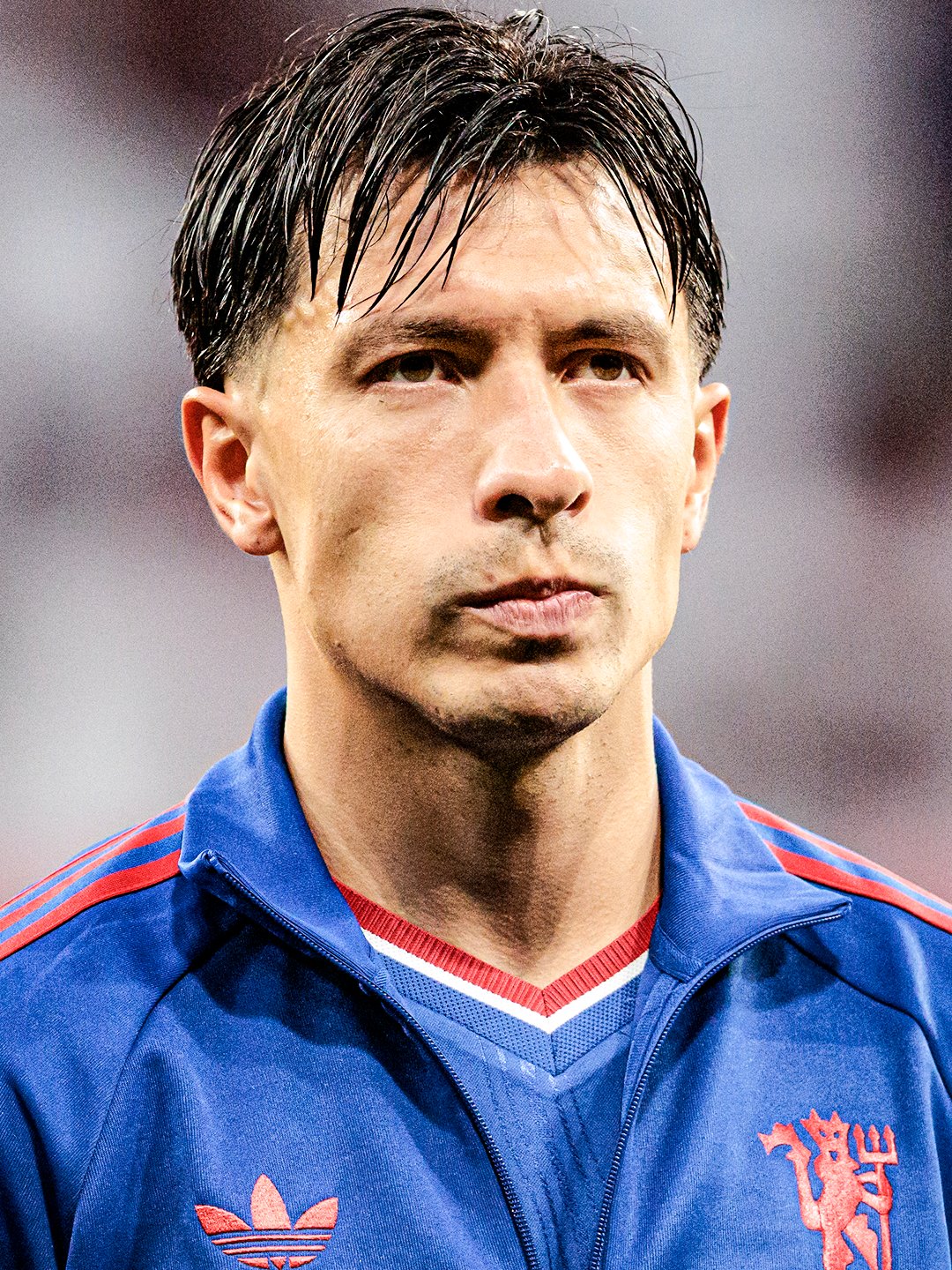
Licha Drops the Mask: Martínez Exposes United's Rotten Core, But the Dressing Room Isn't Innocent
"You keep changing managers but what about other areas?" That is not a throwaway remark. It is a defender looking past the touchline and pointing at the people upstairs.
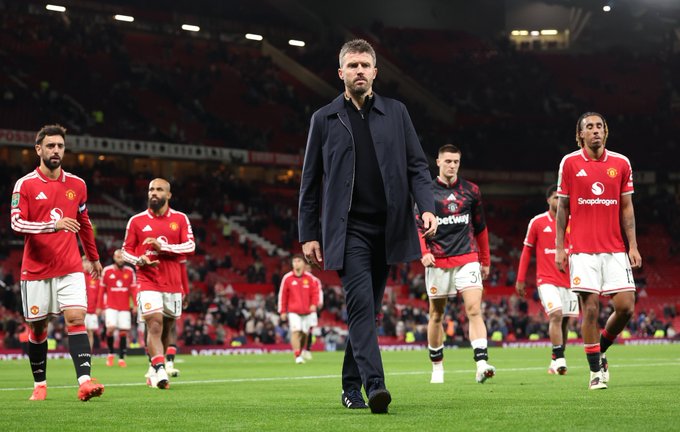
A Man Up, a Goal Ahead, Yet No Victory: Has Michael Carrick Run Out of Answers at Manchester United?
is Carrick struggling to find the answers, or are Manchester United’s problems deeper than their manager?
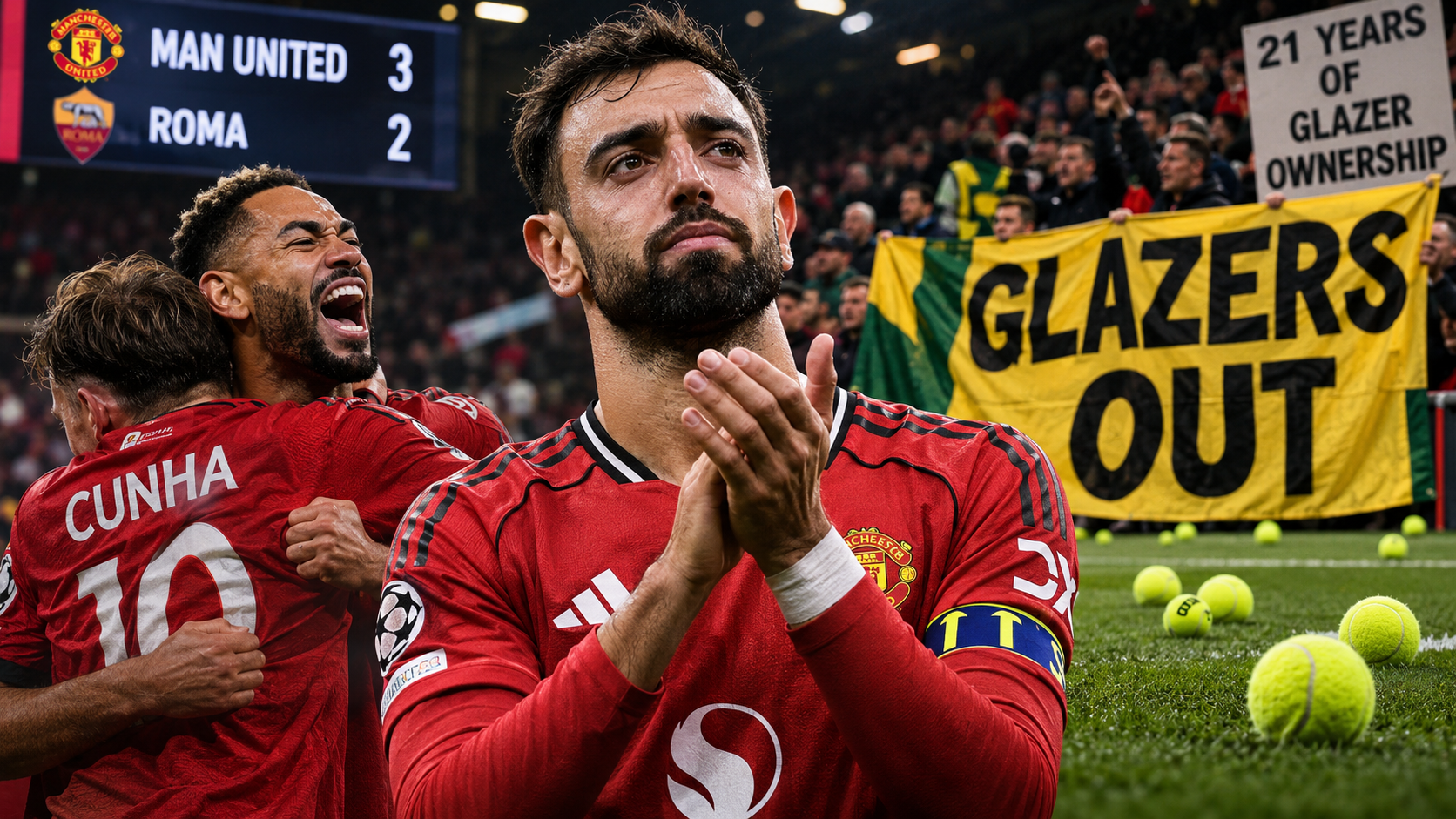
Manchester United Beat Roma, But Bruno Fernandes and the Glazers Tell Two Very Different Stories
A comeback against Roma cannot erase 21 years of frustration. As Bruno Fernandes challenges media speculation, Manchester United supporters continue to demand answers from the Glazers.
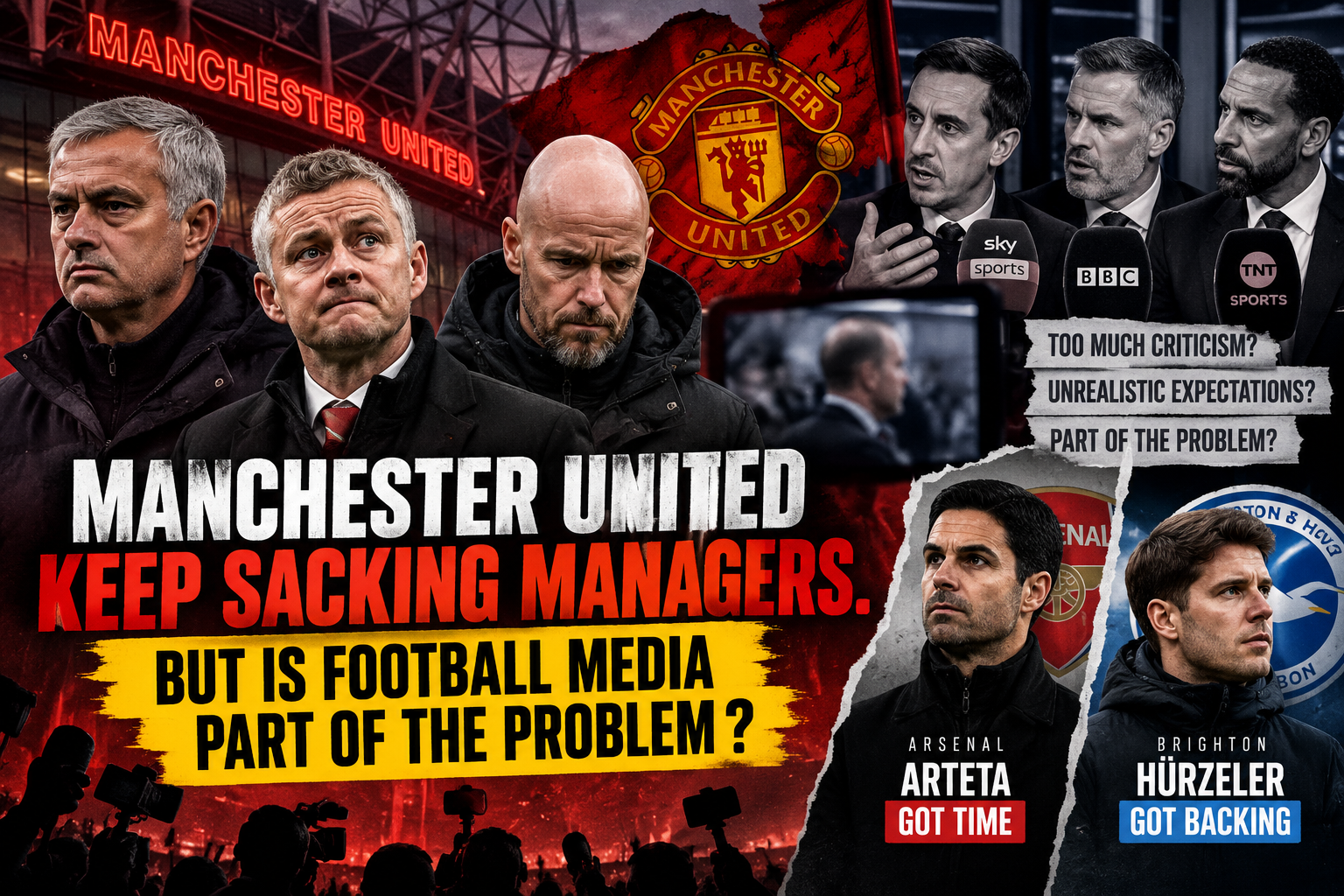
Manchester United Keep Sacking Managers. But Is Football Media Part of the Problem?
Manchester United’s managerial crisis raises a difficult question: are the club’s hierarchy and football pundits making long-term success harder to achieve? From José Mourinho to Erik ten Hag, repeated managerial changes have failed to restore sustained dominance. While the board must answer for its decisions, relentless media pressure also deserves scrutiny. Arsenal’s patience with Mikel Arteta and Brighton’s backing of Fabian Hürzeler offer valuable lessons.