How Newcastle’s Triple Substitution Turned Arsenal’s Advantage Around
Newcastle's second-half transformation against Arsenal demonstrated the importance of tactical flexibility, with Matthias Jaissle's triple substitution changing the momentum of an entertaining 2-2 encounter.
How Newcastle’s Triple Substitution Turned Arsenal’s Advantage Around
By Franklin Egelonu
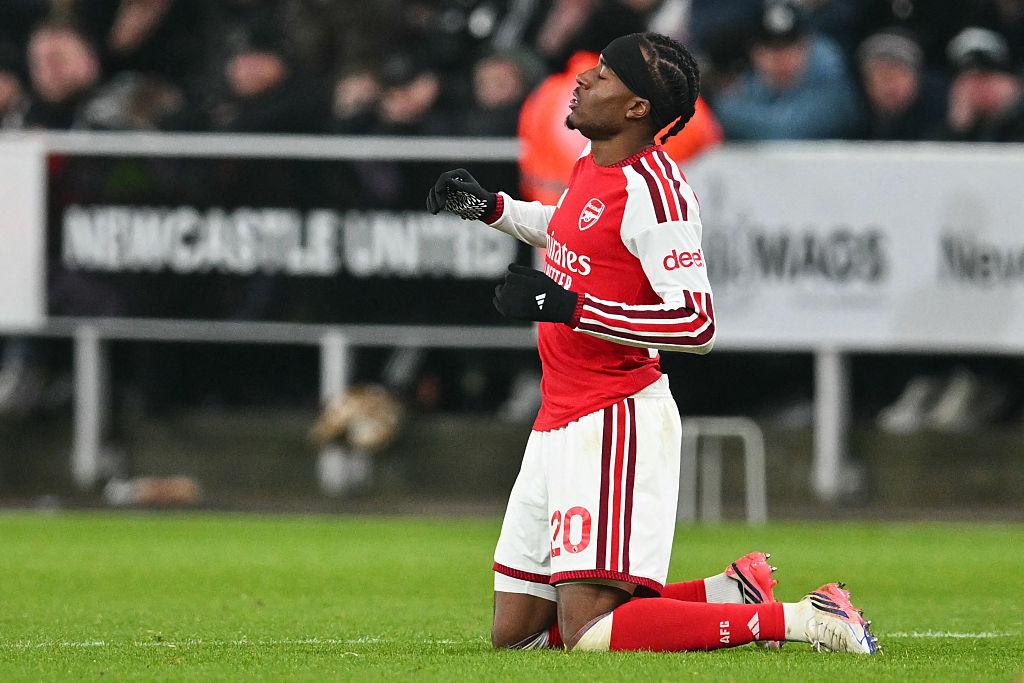
For 45 minutes at St James’ Park, Arsenal looked firmly in control. They dictated possession, controlled the tempo and repeatedly exposed Newcastle United's difficulties in playing through their pressing structure.
By half-time, Mikel Arteta's side had established a deserved 1–0 lead through Eberechi Eze. Newcastle, meanwhile, looked short of ideas. William Osula was isolated up front, the midfield struggled to retain possession, and attempts to build from the back frequently ended in hurried long passes.
But the second half told an entirely different story.
Newcastle manager Matthias Jaissle introduced Jacob Ramsey, Anthony Elanga and Tino Livramento at the interval. Within 17 minutes, his side had turned the game around, exposing weaknesses in Arsenal's defensive organisation and transforming the atmosphere inside St James' Park.
Noni Madueke eventually rescued a 2–2 draw for Arsenal, but the encounter offered something more interesting than the final score: a demonstration of how effective in-game management can completely change the tactical direction of a football match.
ARSENAL'S PRESSING SUPERIORITY EXPOSED NEWCASTLE'S PROBLEMS
Arsenal's first-half dominance was not simply about having more possession. Their positioning and pressing structure restricted Newcastle's ability to progress the ball through central areas.
Newcastle struggled to establish connections between their midfield and attacking players. Osula frequently found himself isolated, while Harvey Barnes and Jacob Murphy found it difficult to receive possession in dangerous positions.
Arsenal's pressure forced the hosts into longer passes, making it easier for the visitors to recover possession and launch further attacks.
The Gunners also punished Newcastle's defensive mistakes. In the 33rd minute, Kai Havertz capitalised on a poor touch from Lewis Hall, drove forward and delivered an intelligent pass into Eze's path. The attacking midfielder finished emphatically to give Arsenal the lead.
It was an excellent attacking move, but it also highlighted Arsenal's ability to turn an opposition error into an immediate goalscoring opportunity.
For Newcastle, the problem was becoming increasingly obvious. They were struggling to escape Arsenal's pressure, and their attacking players were receiving little support.
JAISSLE CHANGES THE RHYTHM OF THE GAME
The most significant decision of the afternoon came at half-time.
Jaissle introduced Ramsey for Sean Steur, Elanga for Murphy and Livramento for Amar Dedić.
These were not simply like-for-like substitutions designed to refresh tired legs. They brought a different combination of qualities and changed the way Newcastle approached the contest.
Ramsey offered greater physical drive and forward movement in midfield. Elanga brought acceleration and a more threatening presence in wide attacking areas, while Livramento provided additional running power and mobility from full-back.
The changes helped Newcastle become more aggressive without the ball. Instead of allowing Arsenal to dictate the tempo, the hosts began pressing higher up the pitch, winning possession in more advanced areas and competing more effectively for second balls.
Ramsey's introduction was particularly important. His energy helped Newcastle increase their intensity in midfield, reducing the freedom Arsenal had enjoyed during the opening period.
More importantly, Newcastle began supporting Osula instead of leaving him isolated against Arsenal's central defenders.
The improvement was immediate, and Arsenal suddenly found themselves dealing with a much more aggressive opponent.
ØDEGAARD'S ERROR AND BARNES' CLINICAL RESPONSE
Newcastle needed just four minutes of the second half to equalise.
A mistake from Martin Ødegaard allowed Newcastle to regain possession, with Osula capitalising on the opportunity before finding Barnes, who calmly finished past David Raya in the 49th minute.
The goal reflected Newcastle's improved aggression. Their willingness to press and attack possession had increased considerably, and they were now finding ways to exploit Arsenal's mistakes.
Osula also deserves credit for his contribution. Having struggled to influence proceedings in the first half, he demonstrated the importance of having attacking support close enough to benefit from turnovers.
Barnes, meanwhile, showed excellent composure. Rather than rushing his finish, he took the opportunity and converted clinically.
It was also a landmark moment for the Newcastle winger, marking his 100th career goal.
For Arsenal, the equaliser was a significant setback. A defensive structure that had looked comfortable in the opening period was suddenly under pressure.
Newcastle had discovered a way to disrupt their opponents' rhythm.
SET-PIECE ORGANISATION BECOMES ARSENAL'S WEAKNESS
Newcastle's momentum continued, and their second goal exposed another problem for Arteta's side.
In the 62nd minute, Lewis Hall delivered a corner into the penalty area. Dan Burn rose to meet the delivery and directed a header towards goal. Raya made the initial save, but the ball remained alive in a crowded penalty area. After Willock's attempt was also stopped, Malick Thiaw reacted quickest to force the ball over the line.
Arsenal's defensive organisation was far from convincing. They failed to deal effectively with the initial delivery and struggled to clear the danger during the resulting scramble.
The goal was another reward for Newcastle's increased attacking intensity and willingness to commit players into dangerous areas.
Interestingly, Newcastle's improvement was not limited to set pieces. Their overall attacking output increased significantly after the break.
According to Opta, Newcastle managed just three shots and one touch inside Arsenal's penalty area in the first half. After the interval, those numbers increased to nine shots and 14 touches inside the opposition box.
That statistical difference tells an important part of the story. Newcastle were no longer simply defending and chasing the game; they were creating genuine problems for Arsenal.
MADUEKE AND ØDEGAARD PREVENT A COMPLETE COLLAPSE
Despite Newcastle's impressive turnaround, Arsenal were not finished.
Madueke had already troubled Newcastle's defence during the first half, striking the woodwork and creating problems for Lewis Hall.
His influence remained important after the hosts took the lead.
In the 78th minute, Arsenal broke forward at pace. Ødegaard, having been involved in the mistake that allowed Newcastle to equalise, produced an excellent pass into Madueke's path.
The winger moved onto his left foot, created space against the recovering defenders and fired towards goal. His effort went through Burn's legs, with Horníček unable to keep it out.
It was an important response from both players.
Ødegaard demonstrated why mistakes do not necessarily define a player's entire performance. Despite his earlier error, he continued influencing the game and supplied the pass that restored Arsenal's position.
Madueke, meanwhile, demonstrated the value of direct attacking qualities. His willingness to take on defenders and attack shooting opportunities gave Arsenal a route back into the contest.
For Newcastle, the equaliser was frustrating, particularly after the quality of their second-half performance.
But for Arsenal, it was a valuable reminder of their ability to respond when placed under pressure.
WHAT THE RESULT MEANS FOR BOTH TEAMS
For Newcastle, this was an encouraging indication of what Jaissle can achieve when his tactical ideas are supported by the right personnel.
The difference between the two halves was considerable. The introduction of Ramsey, Elanga and Livramento changed the intensity of the contest and gave Newcastle a more effective attacking structure.
However, one impressive half does not resolve the club's wider problems. Newcastle still need greater consistency, better defensive organisation and a more reliable approach across 90 minutes.
Their inability to maintain the advantage will also be a concern for Jaissle, particularly against opponents capable of punishing even small defensive lapses.
For Arsenal, the match provides another reminder that controlling possession does not automatically guarantee control of a contest.
Their ability to bypass Newcastle's pressing during the first half was impressive, but they struggled when the opposition increased its intensity and attacked with greater conviction.
Arteta will also be concerned about the defensive lapses that allowed Newcastle back into the game, as well as the injury sustained by Raya, who was forced off and replaced by Kepa Arrizabalaga.
Ultimately, the most interesting lesson from St James' Park was not simply that Newcastle fought back from a goal down.
It was how they did it.
Jaissle recognised that his starting approach was not working, introduced three players with different qualities and changed the intensity of the contest. Arsenal, despite their technical superiority in the opening period, struggled to find an immediate answer.
The draw was a valuable reminder that elite football is not only about preparing the right starting XI. It is also about recognising when a tactical approach has stopped working, identifying the players who can change the situation and having the courage to make those decisions before the game gets away from you.
Read next
Stories you should not miss

Related stories

Published Tuesday, 24 November 2026. Published through the Nisty Football newsroom.
Enjoyed it? Tell us — and pass it on
The discussion
What do you think? (0)
Leave a comment
No account needed · 0 approved
0/1500 characters · comments are reviewed before publication
The Daily Kick-off
Football in your inbox, every morning at 7am
One email: the overnight transfer moves, the tactical story of the night, and every fixture that matters today. No noise, no clickbait.
More from Nisty Football
Related stories
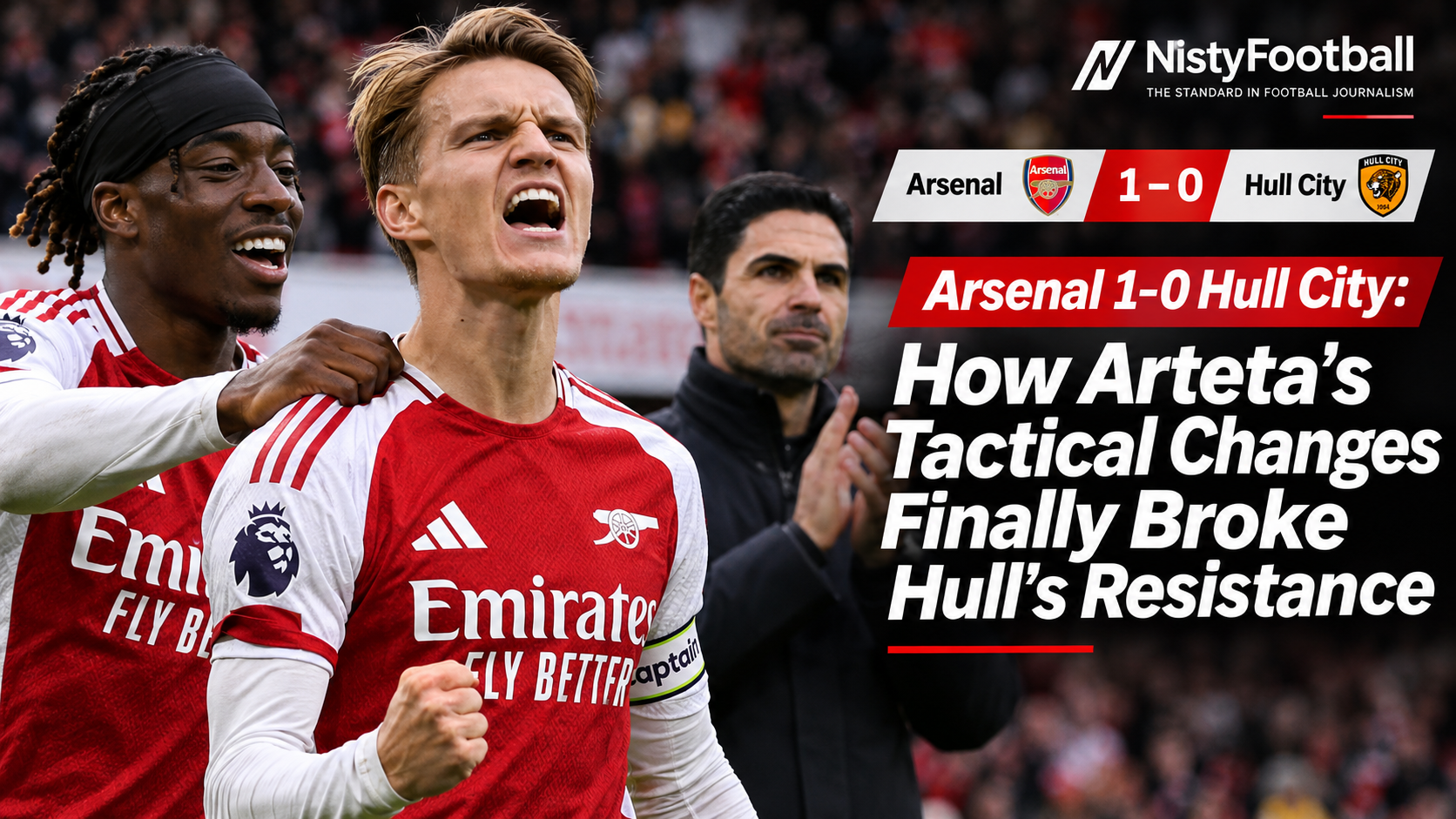
Arsenal 1–0 Hull City: How Arteta's Tactical Changes Finally Broke Hull's Resistance
Arsenal dominated possession but struggled to find a breakthrough against Hull City. Mikel Arteta's tactical adjustments, attacking substitutions and Martin Ødegaard's decisive finish eventually secured a hard-fought 1-0 victory.

Manchester United Keep Sacking Managers. But Is Football Media Part of the Problem?
Manchester United’s managerial crisis raises a difficult question: are the club’s hierarchy and football pundits making long-term success harder to achieve? From José Mourinho to Erik ten Hag, repeated managerial changes have failed to restore sustained dominance. While the board must answer for its decisions, relentless media pressure also deserves scrutiny. Arsenal’s patience with Mikel Arteta and Brighton’s backing of Fabian Hürzeler offer valuable lessons.
Chelsea Had the Ball, Leeds Had the Game: How Farke's Side Turned Possession Into a Nightmare
Chelsea enjoyed more possession but Leeds United dominated the decisive moments, producing a ruthless 4–1 victory at Stamford Bridge through intelligent transitions and clinical finishing.
Renée Slegers Under Fire at Arsenal
Arsenal's women's side is struggling, and manager Renee Slegers is facing mounting pressure. Can she turn things around, or is time up for her at the club? The team's winless home run continues, increasing the pressure on Slegers.