Chelsea Had the Ball, Leeds Had the Game: How Farke's Side Turned Possession Into a Nightmare
Chelsea enjoyed more possession but Leeds United dominated the decisive moments, producing a ruthless 4–1 victory at Stamford Bridge through intelligent transitions and clinical finishing.
Chelsea Had the Ball, Leeds Had the Game: How Farke's Side Turned Possession Into a Nightmare
By Rossi | NistyFootball
Chelsea had the ball. Leeds had the game.
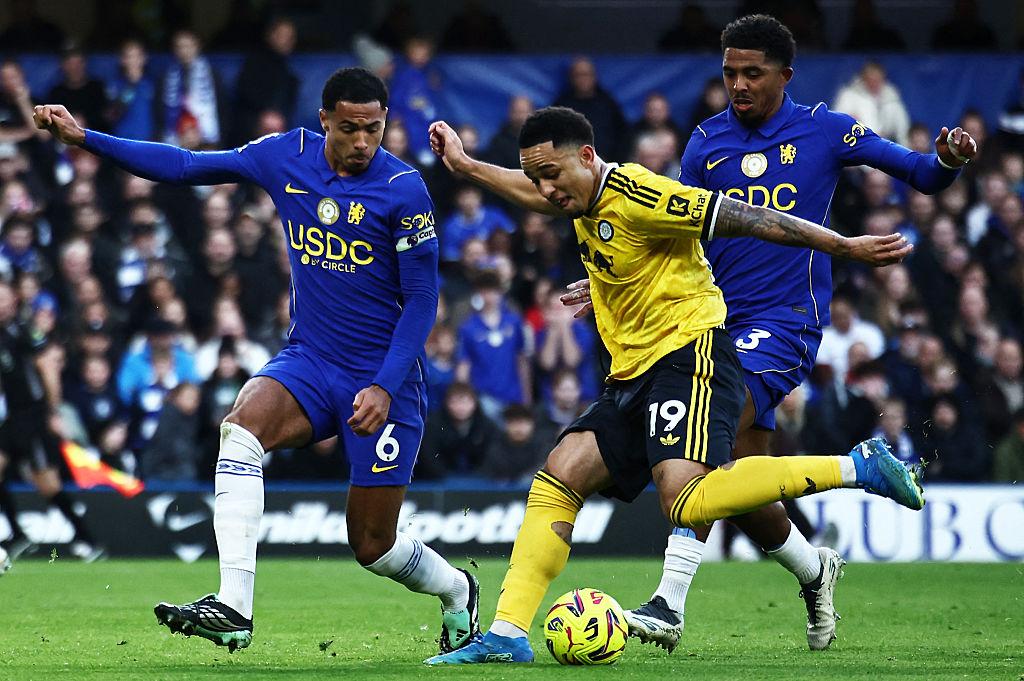
Chelsea welcomed Leeds United to Stamford Bridge looking for a response after their defeat to Sunderland. Instead, they suffered one of their most damaging results of the season, losing 4–1 to Daniel Farke's side.
The scoreline tells only part of the story. Chelsea enjoyed more possession and completed more passes, but Leeds consistently looked more dangerous. They attacked quickly, competed for second balls and repeatedly found spaces around a Chelsea defence that struggled whenever the game became stretched.
That was the biggest difference between the two sides: Chelsea controlled possession, but Leeds controlled the dangerous moments.
CHELSEA MADE THE PERFECT START – BUT COULD NOT BUILD ON IT
Chelsea started with purpose, and their early pressure eventually produced the opening goal.
Morgan Rogers carried the ball forward before finding Emmanuel Emegha, who created enough space to unleash a powerful left-footed finish past James Trafford in the 25th minute.
For Emegha, it was an important moment on his first Chelsea start. For the hosts, it looked like the beginning of the response they desperately needed.
But Leeds refused to panic.
Just three minutes later, the visitors found their equaliser, exposing a problem that would remain throughout the afternoon: Chelsea were vulnerable whenever Leeds could turn the game into a transition.
Dominic Calvert-Lewin did well to hold up the ball and bring Noah Okafor into play. The Swiss forward then drove into the penalty area and finished calmly to bring Leeds level.
The goal changed the complexion of the match.
Chelsea still had the ball, but Leeds were beginning to look increasingly comfortable without it.
LEEDS FOUND THE SPACES CHELSEA LEFT BEHIND
Leeds did not need to dominate possession to cause problems. Their best moments came when they recovered the ball and attacked before Chelsea could reorganise.
Calvert-Lewin gave Leeds a valuable outlet up front. His ability to compete for long balls, hold possession and bring teammates into play allowed those around him to advance quickly.
Okafor was one of the biggest beneficiaries. Whenever Leeds found space around Chelsea's defensive line, the forward attacked it aggressively.
This was particularly evident in the equaliser. Rather than simply clearing the ball and retreating, Leeds used Calvert-Lewin's ability to connect with the attack before Okafor exploited the space behind Chelsea's defenders.
It was a simple but effective approach.
Chelsea were comfortable when they had time to build their attacks. However, whenever Leeds made the contest more direct and transitional, the home side struggled to maintain their defensive shape.
CAICEDO'S INJURY MADE CHELSEA'S JOB HARDER
Chelsea also lost Moisés Caicedo to injury in the first half, with Jordan Henderson introduced as his replacement in the 22nd minute.
Caicedo's absence was significant. His ability to protect the midfield, recover possession and disrupt opposition attacks was particularly important in a game where Leeds were looking to exploit transitions.
Without him, Chelsea lost an important defensive presence in midfield.
As the contest became increasingly physical, Leeds found opportunities to compete for second balls and turn defensive recoveries into forward attacks.
Chelsea could still circulate possession, but they were finding it difficult to control what happened when they lost it.
That distinction became increasingly important as the match progressed.
THE SECOND HALF BELONGED TO LEEDS
Leeds returned after the interval with greater aggression and soon completed the turnaround.
In the 53rd minute, Jayden Bogle's effort struck Morgan Rogers on the arm inside the penalty area. Following a VAR review, Leeds were awarded a penalty.
Calvert-Lewin stepped up and calmly sent Emiliano Martínez the wrong way to put the visitors ahead.
Chelsea now had to chase the game.
That was precisely the situation Leeds wanted.
The further Chelsea pushed forward, the more space appeared behind their defensive line. Leeds could remain disciplined, protect their advantage and wait for opportunities to exploit the gaps.
Their third goal was another example of that attacking efficiency.
In the 58th minute, a Leeds attack developed down the right, with Ethan Ampadu's delivery taking a deflection and falling into Okafor's path. The forward reacted brilliantly, smashing a close-range volley into the top corner to score his second goal of the afternoon.
At 3–1, Chelsea were in serious trouble.
Okafor's performance was particularly impressive. His movement, awareness and ability to exploit spaces made him a constant problem for the Chelsea defence.
WHY CHELSEA'S POSSESSION STOPPED MATTERING
Chelsea made changes in an attempt to get back into the match, introducing fresh attacking players and pushing higher up the pitch.
They spent more time around Leeds' defensive third, but the problem was that their possession rarely translated into clear goalscoring opportunities.
The statistics underline the difference.
Chelsea finished with approximately 57 per cent possession, compared with Leeds' 43 per cent. They also completed more passes.
However, Leeds produced 21 shots against Chelsea's 14 and registered eight shots on target compared with Chelsea's three.
The expected-goals figures were even more revealing, with Leeds recording 2.72 against Chelsea's 0.58.
In other words, Chelsea had territorial control without enough penetration.
They moved the ball, but Leeds protected the areas that mattered most.
This is why possession alone can be misleading. A team can have the ball for long periods without actually controlling the match.
Football is ultimately about what a team does with its possession, how effectively it creates opportunities and how well it protects itself when possession is lost.
Leeds understood that better than Chelsea on this occasion.
FARKE'S SUBSTITUTIONS HELPED LEEDS MANAGE THE GAME
Daniel Farke also deserves credit for how he managed the final stages.
After Okafor had scored twice, Brenden Aaronson came on in the 73rd minute to provide fresh energy.
It was a sensible decision because Leeds no longer needed to chase the game. They needed players capable of exploiting the spaces Chelsea would inevitably leave as they searched for a way back.
That prediction proved correct.
Chelsea committed more bodies forward, and in the first minute of stoppage time, substitute Harry Wilson found Aaronson, who finished to make it 4–1.
The goal was more than just the final touch on a memorable away victory. It summed up the entire match.
Chelsea were chasing possession and a way back into the game.
Leeds were waiting for the space that would inevitably appear.
WHAT THE DEFEAT SAYS ABOUT CHELSEA
There are reasons why Chelsea struggled. Caicedo's early injury disrupted their midfield, while the team also had attacking absences to contend with.
But those factors cannot completely explain the performance.
The bigger concern is how easily Chelsea became vulnerable once the match stopped following their preferred rhythm.
When Chelsea had time and space to build attacks, they looked comfortable. When Leeds made the game direct, physical and transitional, Chelsea struggled to protect themselves.
Their defensive structure was repeatedly exposed, and their inability to respond to Leeds' attacking intensity made the defeat even more damaging.
That is something Xabi Alonso and his coaching staff will have to address quickly.
Chelsea cannot rely on possession to protect them if they do not have enough defensive structure behind the ball.
LEEDS LEAVE STAMFORD BRIDGE WITH A STATEMENT
For Leeds, this was an impressive away performance and much more than a simple smash-and-grab victory.
They were disciplined without the ball, aggressive when opportunities appeared and ruthless in front of goal.
They understood that Chelsea's possession did not automatically mean Chelsea were controlling the match.
Instead of trying to win the possession battle, Leeds focused on winning the moments that decided the game.
That approach produced four goals and a memorable victory at Stamford Bridge.
For Chelsea, the defeat should serve as a warning. Their possession game needs greater protection, their defensive transitions require improvement, and their midfield must be capable of coping when opponents refuse to allow them to play at their preferred tempo.
Chelsea had the ball.
Leeds had the better chances, the better transitions and ultimately the better game plan.
At Stamford Bridge, that was enough to turn a promising Chelsea start into a damaging 4–1 defeat – and a result Alonso's side will not be able to ignore.
Read next
Stories you should not miss

Related stories
More on Premier League



Published Tuesday, 24 November 2026. Published through the Nisty Football newsroom.
Enjoyed it? Tell us — and pass it on
The discussion
What do you think? (0)
Leave a comment
No account needed · 0 approved
0/1500 characters · comments are reviewed before publication
The Daily Kick-off
Football in your inbox, every morning at 7am
One email: the overnight transfer moves, the tactical story of the night, and every fixture that matters today. No noise, no clickbait.
More from Nisty Football
Related stories
The Pressing Trap: How Football’s Most Fearsome Weapon Can Become Its Biggest Weakness
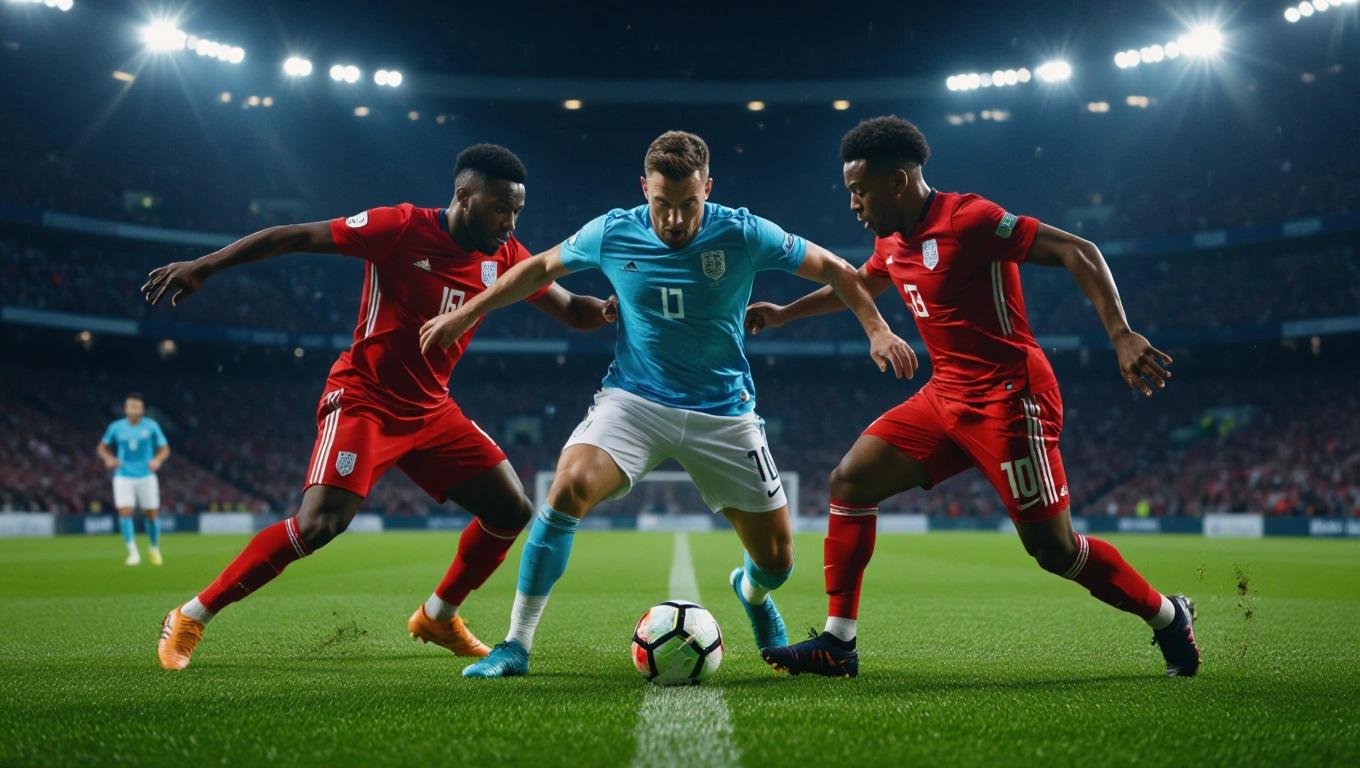
High pressing can suffocate opponents, force mistakes and create goalscoring opportunities. But what happens when the press is beaten? From Manchester City's defensive struggles to Benfica's tactical discipline and Guardiola's solutions against Arsenal, we examine how football's most aggressive defensive weapon can quickly become its biggest weakness.
Arsenal 1–0 Hull City: How Arteta's Tactical Changes Finally Broke Hull's Resistance
Arsenal dominated possession but struggled to find a breakthrough against Hull City. Mikel Arteta's tactical adjustments, attacking substitutions and Martin Ødegaard's decisive finish eventually secured a hard-fought 1-0 victory.
Tzolakis' Stunning Redemption
Hull goalkeeper Konstantinos Tzolakis bounced back from a 7-goal nightmare for Greece to produce a masterclass display against Brighton. What can young players learn from his remarkable redemption arc?
Arsenal's St James' Park Collapse: Are Arteta's Men Mentally Soft in the Title Race?
Arsenal squandered a chance to go eight points clear after a chaotic 2-2 draw at Newcastle United, raising serious questions about their title-winning mentality.