Reece James and the Injury Cycle: How Much Football Is Too Much Football?
What happens when a footballer’s talent is repeatedly undermined by his inability to stay fit?
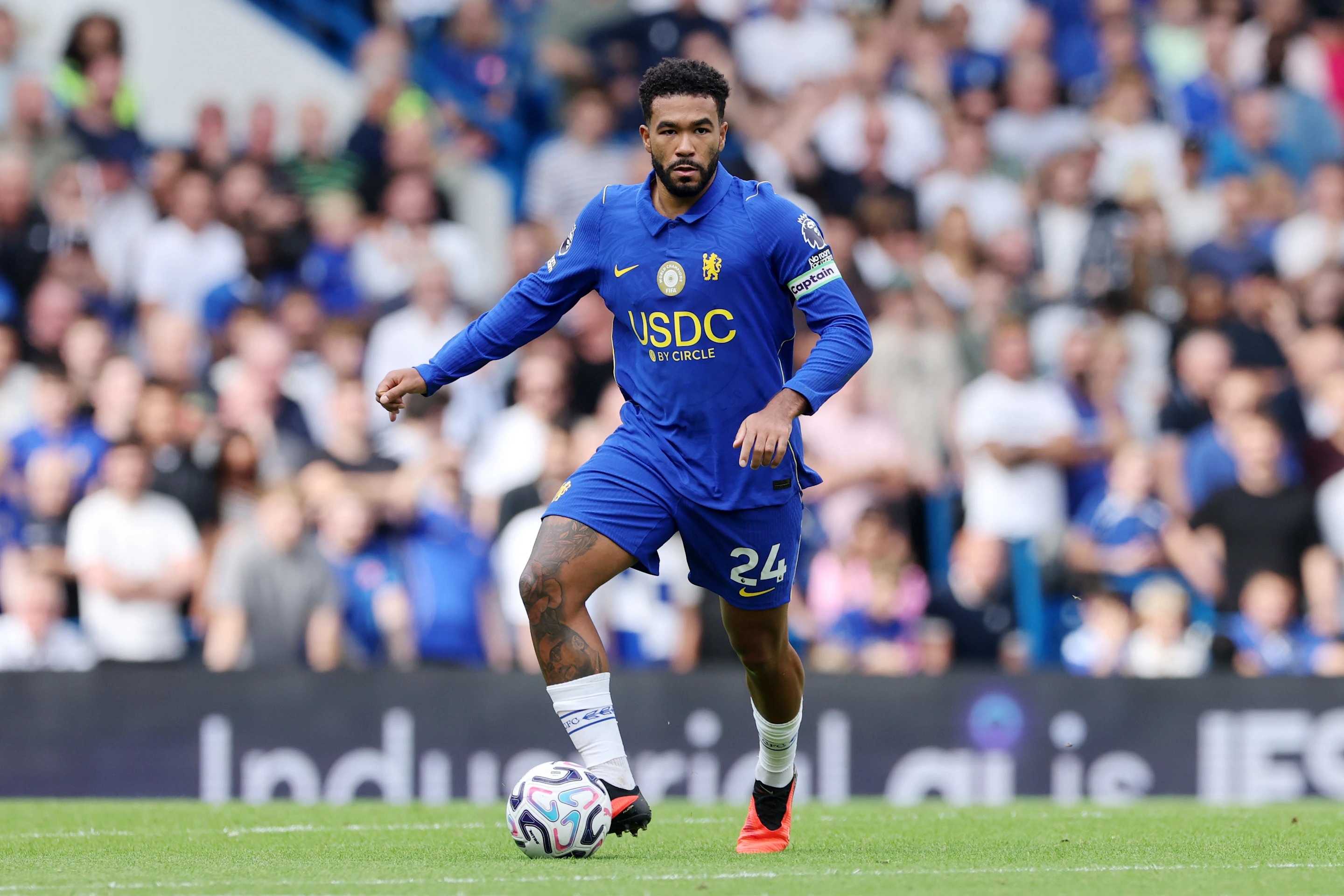
Reece James and the Injury Cycle: How Much Football Is Too Much Football?
By Sarah Whitcombe
Reece James is injured again. And once again, football is left confronting an uncomfortable question: how much can the modern game demand from its players before the cost becomes too great?
Chelsea confirmed on Friday, October 16, that their captain had undergone successful minor knee surgery following an injury sustained in training. Manager Xabi Alonso said James would be unavailable for several weeks, while reports suggested his absence could extend to around three months.
For a player whose quality has never been seriously questioned, the latest setback is another frustrating interruption. But James’s situation raises an issue far bigger than Chelsea’s immediate selection problems.
What happens when a footballer’s talent is repeatedly undermined by his inability to stay fit?
Another setback in a troubling pattern
James, 26, has spent several seasons battling injuries that have disrupted his development, limited his availability and repeatedly forced Chelsea to reconsider how best to use him.
His latest knee problem came after a period in which he had already dealt with fitness concerns. Further medical assessments established that surgery was necessary, and he has begun rehabilitation under Chelsea’s medical staff.
The precise recovery timeline remains uncertain. Although reports have suggested an absence of approximately three months, Alonso has been more cautious about setting a firm return date.
That distinction matters. Recovery is not a competition against the calendar, and a player returning before he is ready can face further setbacks.
James is not short of ability. His defensive awareness, technical quality, crossing and versatility have made him an important figure for Chelsea and England. His ability to contribute in different positions only increases his value.
Yet availability is a fundamental part of elite performance. A footballer can possess exceptional talent, but repeated interruptions make it difficult to build rhythm, consistency and confidence.
For James, the challenge is no longer simply returning from one injury. It is finding a sustainable way to remain fit.
Is the modern football calendar part of the problem?
Football’s physical demands are relentless. Domestic leagues, domestic cups, European competitions, international fixtures and extended tournament schedules leave elite players with increasingly complicated workloads.
The debate over fixture congestion is not new. Players, managers and governing bodies have repeatedly disagreed over whether the modern calendar provides enough recovery time.
However, one important distinction must be made: there is no established evidence that fixture congestion directly caused James’s latest knee injury. The reported injury occurred during training, and its precise medical cause has not been publicly established.
That does not make the wider question irrelevant.
Training loads, match minutes, travel, recovery periods and the cumulative demands of a season all form part of the environment in which elite footballers operate. A responsible discussion of player welfare must examine these factors without pretending that every injury has the same explanation.
The question is whether clubs and governing bodies are doing enough to understand and manage the risks.
Football cannot eliminate injuries. But it can continually assess whether its structures give players a realistic opportunity to recover and perform.
The danger of treating players as endlessly replaceable
There is another uncomfortable aspect to James’s situation: the pressure to return.
When a key player is unavailable, clubs face immediate sporting and financial consequences. Managers must find replacements, supporters demand results and media scrutiny intensifies.
For the injured player, rehabilitation can become a lonely process. Every missed match is another opportunity lost, while speculation about fitness and long-term durability follows them throughout recovery.
That pressure can make patience difficult, even when patience is precisely what the situation requires.
Chelsea must manage James’s absence, but they must also protect the long-term interests of their captain. A rushed comeback that compromises recovery would solve little.
The same principle applies across football. Players should not be judged solely by how quickly they return, nor should their careers be reduced to a running tally of missed games.
The objective should be a safe, sustainable return to competition.
What responsibility belongs to clubs and football authorities?
No single reform will solve football’s injury problem. Different injuries have different causes, and medical decisions must be based on individual assessments rather than general assumptions.
Nevertheless, clubs and governing bodies can take practical steps.
First, workload monitoring must be meaningful. Medical teams need the authority to communicate concerns and recommend appropriate recovery periods without sporting pressure overriding sound judgement.
Second, fixture planning deserves continuous scrutiny. When competitions expand or schedules become more demanding, organisers should consider the consequences for recovery, travel and player availability.
Third, injury data should inform decisions. Better analysis of injury patterns, training loads and recovery outcomes can help clubs identify risks and assess whether interventions are working.
Finally, supporters and the media have a role to play. Criticism of a player’s availability may be understandable when a club depends on that player, but repeated injuries should not automatically be interpreted as a lack of commitment or professionalism.
Footballers are elite athletes, not machines.
Chelsea’s problem is also a football problem
James’s absence is a sporting blow to Chelsea. His leadership and versatility are valuable, and losing a player of his quality inevitably affects squad planning.
But the larger significance of this latest setback extends beyond one club.
Football regularly celebrates endurance, toughness and the ability to play through adversity. Those qualities have their place. Yet they should not become excuses for ignoring medical evidence or accepting preventable risks.
James still has time to enjoy many more productive seasons. His latest injury does not determine the rest of his career, and it would be premature to draw such a conclusion.
What it does demonstrate is the difficulty of sustaining elite performance when injuries repeatedly interrupt progress.
The response should not be panic, blame or speculation. It should be careful rehabilitation, honest assessment and a wider commitment to understanding why players get injured and how their welfare can be better protected.
The final whistle
Reece James’s latest injury is a setback for Chelsea and a personal frustration for a player whose ability deserves to be seen consistently on the pitch.
But the question football should ask is bigger than when he will return.
How does the game protect its most valuable assets without compromising the competition that makes it successful?
There is no simple answer, and fixture congestion alone cannot explain every injury. Yet the continued debate over player workload deserves more than statements of concern whenever another leading footballer is sidelined.
Football needs its best players on the pitch. Protecting their ability to stay there should be a priority, not an afterthought.
Read next
Stories you should not miss

Related stories
Published Saturday, 17 October 2026. Published through the Nisty Football newsroom.
Fan reaction
Comments (0)
Leave a comment
No account needed · 0 approved
0/1500 characters · comments are reviewed before publication
More from Nisty Football
Related stories

Man City Found Guilty. Two Weeks Later: "94% of Clubs Are Losing Money." Coincidence?
Ask yourself who gains from the headline "the whole game is broken." It isn't Burnley or Wrexham. It's the club that needs the public to see its guilty verdict as one more symptom of a rotten system.
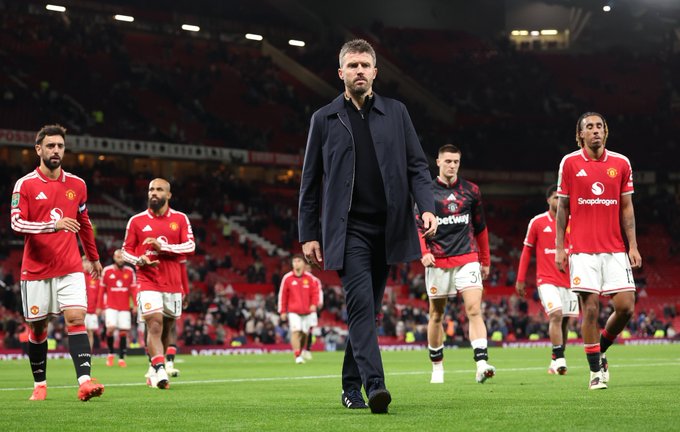
A Man Up, a Goal Ahead, Yet No Victory: Has Michael Carrick Run Out of Answers at Manchester United?
is Carrick struggling to find the answers, or are Manchester United’s problems deeper than their manager?
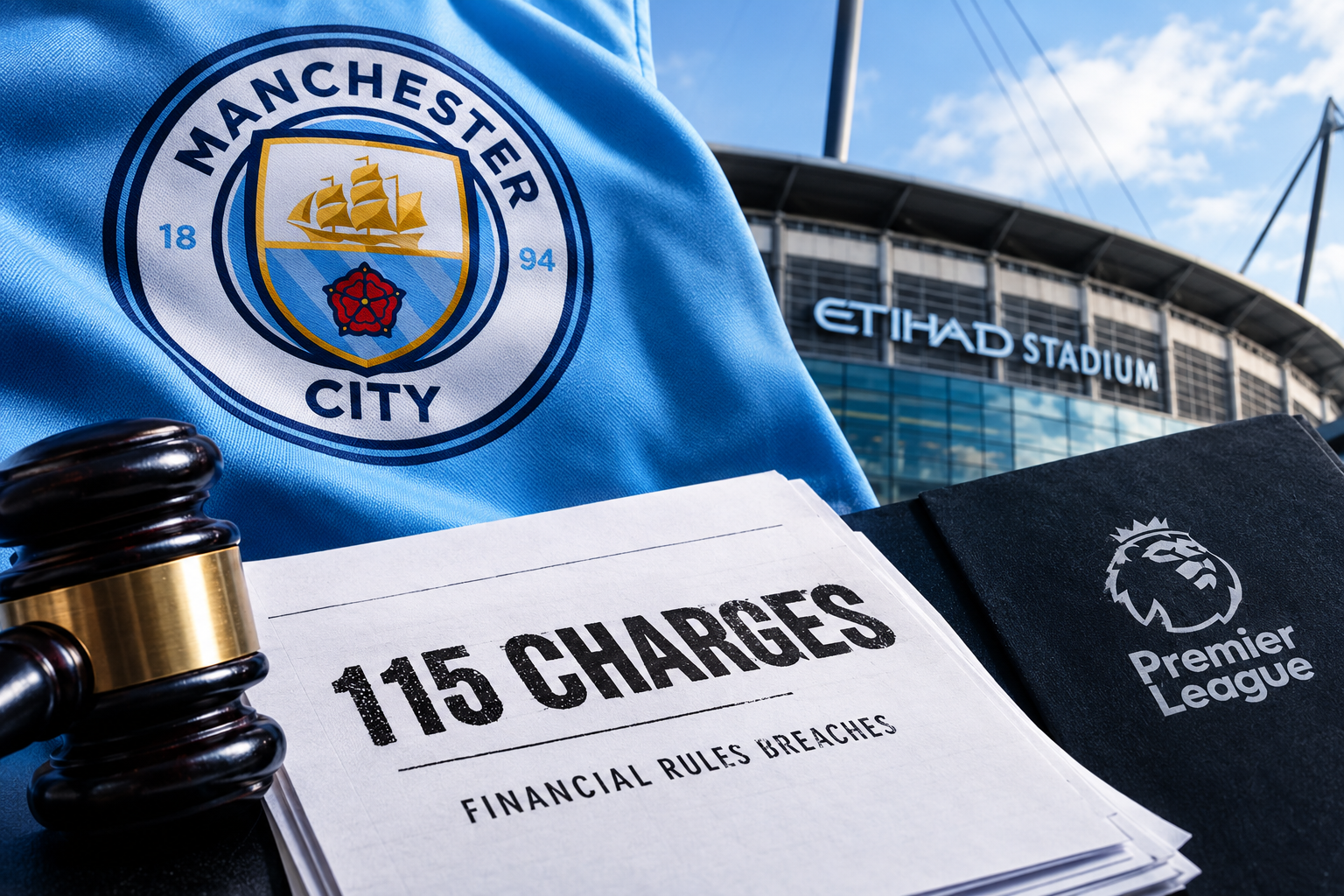
Are Premier League Rules Only for the Clubs Without Billionaire Owners?
Manchester City’s 115 charges and the prolonged wait for resolution raise serious questions about financial fairness, accountability, and the Premier League’s credibility.
THE CITY THREAT: HAS MANCHESTER CITY BECOME TOO POWERFUL FOR FOOTBALL?
A football regulation is not a suggestion. A financial rule is not a rule only for clubs without powerful friend or do football’s rules apply equally when the club involved has enormously powerful owners and extraordinary political and economic connections?