A Man Up, a Goal Ahead, Yet No Victory: Has Michael Carrick Run Out of Answers at Manchester United?
is Carrick struggling to find the answers, or are Manchester United’s problems deeper than their manager?
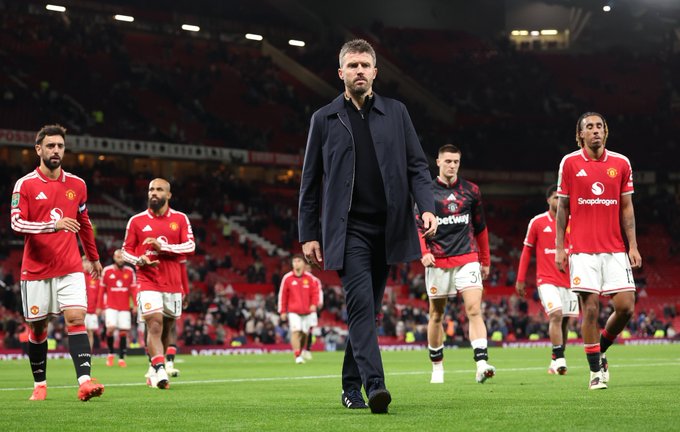
A Man Up, a Goal Ahead, Yet No Victory: Has Michael Carrick Run Out of Answers at Manchester United?
By Victor Dike | NistyFootball
Manchester United had everything a manager could ask for: a goal advantage, a numerical superiority and the backing of a home crowd desperate for something to celebrate. Yet, when the final whistle sounded at Old Trafford on Saturday, 10 October, they were left with a frustrating 1–1 draw against Tottenham Hotspur.
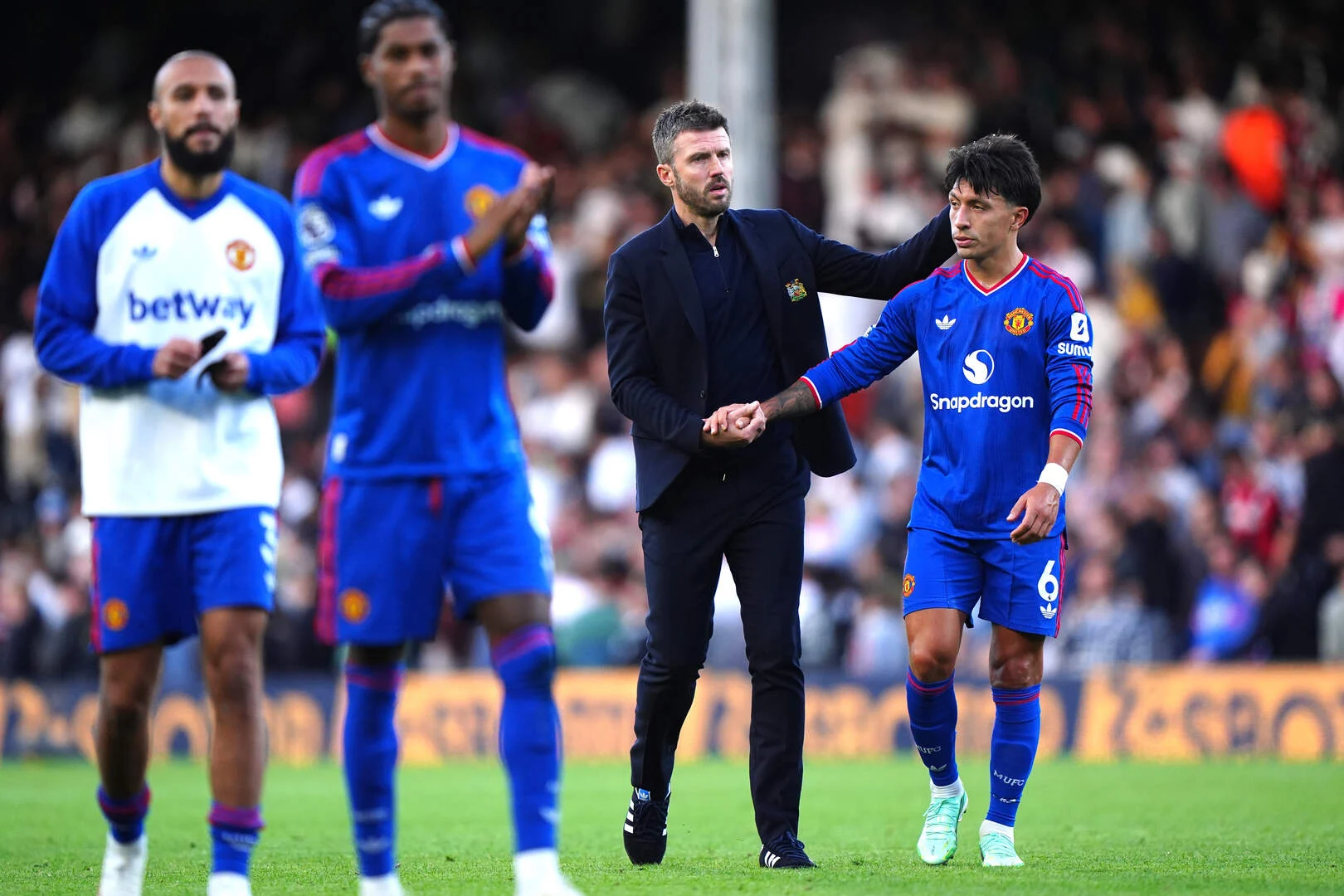
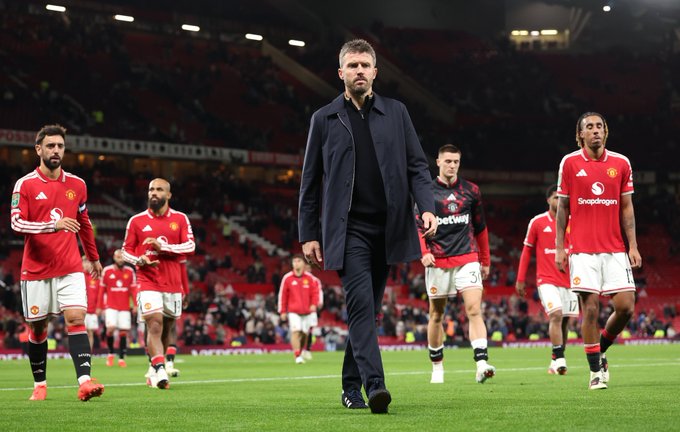
For Michael Carrick, this was more than two points dropped. It was another uncomfortable examination of Manchester United’s ability to manage adversity, control a match and finish what they had started.
Bryan Mbeumo’s 73rd-minute strike appeared to have secured a crucial victory. Moments later, Rodrigo Bentancur was sent off, leaving Tottenham with ten men and an even steeper challenge. Surely, United had done enough to see the game out?
Apparently not.
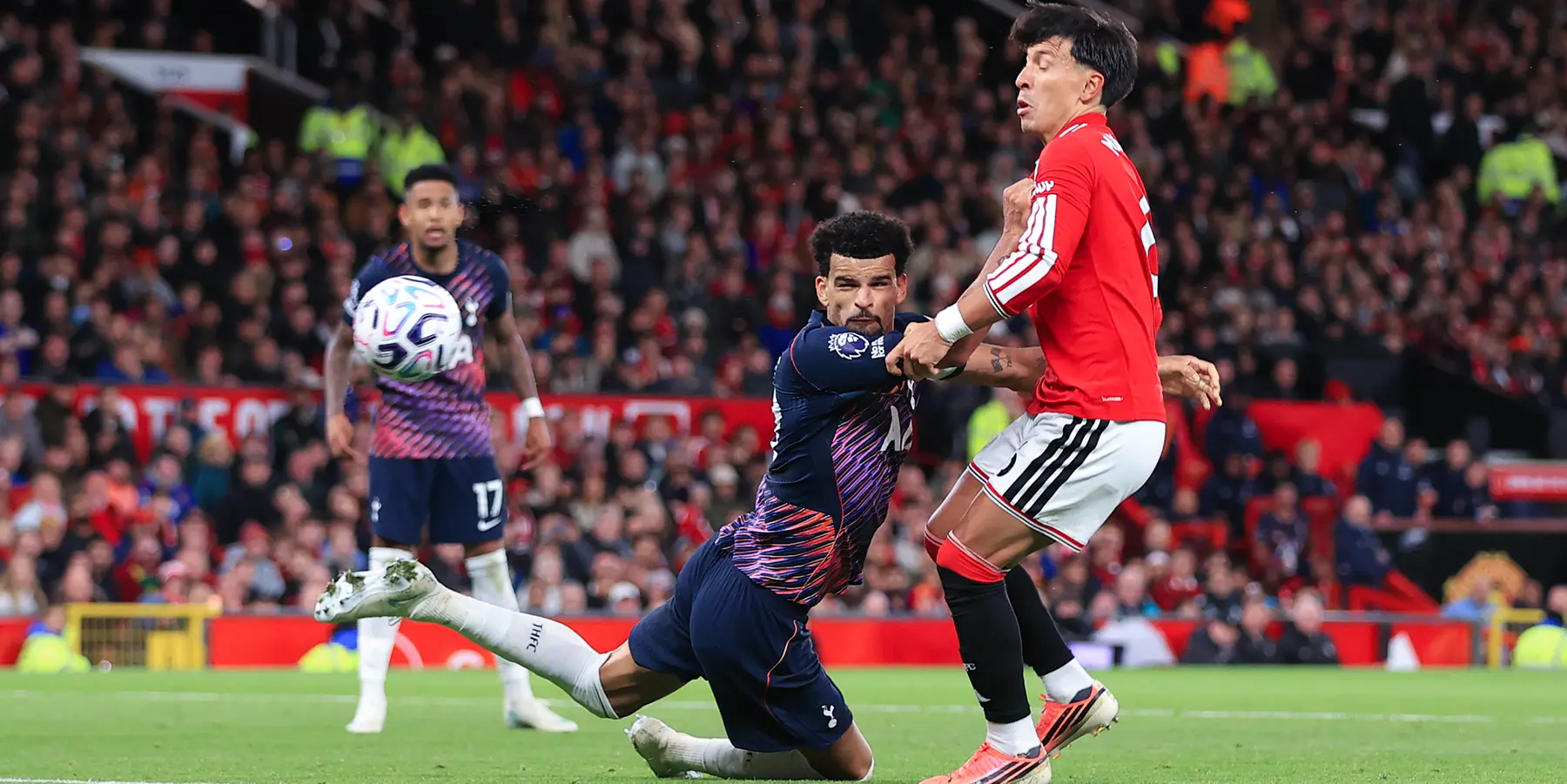
Dominic Solanke’s stoppage-time equaliser punished United’s failure to protect their advantage, leaving supporters questioning how a team with so much in its favour could surrender control so carelessly.
The result raises a difficult question: is Carrick struggling to find the answers, or are Manchester United’s problems deeper than their manager?
The Problem Goes Beyond the Final Score
It would be convenient to blame the late equaliser on a momentary lapse in concentration. However, doing so would overlook the broader weaknesses that made Tottenham’s comeback possible.
For significant periods, Spurs found ways to exploit the spaces between United’s midfield and defensive lines. Their passing combinations and movement through central areas repeatedly tested the hosts’ organisation, exposing a team that struggled to establish consistent control.
Lucas Bergvall and Sandro Tonali helped Tottenham progress through midfield, while United’s Kobbie Mainoo and Youri Tielemans struggled to impose themselves consistently on the contest.
The consequences were evident. United found it difficult to win second balls, protect their defensive line and maintain pressure on the opposition. Their midfield failed to provide the balance required to connect the defence with the attack, leaving the forward line increasingly isolated and the back four vulnerable.
For a team playing at Old Trafford, such deficiencies are concerning. Home advantage should count for more than the noise generated by the crowd; it should be reflected in a team’s ability to dictate the tempo, restrict the opposition and impose its own terms on a match.
Tottenham demonstrated that United could be unsettled, even before the late drama. The equaliser did not create the problem. It exposed one that had been present for much of the contest.
Carrick Must Take Responsibility for Game Management
Managers are not responsible for every misplaced pass or individual defensive error. They are, however, accountable for how their teams respond when the circumstances of a match change.
Bentancur’s dismissal in the 78th minute presented United with a significant opportunity. With Tottenham reduced to ten men, Carrick’s side had the numerical advantage and a lead to protect. The priority should have been to retain possession intelligently, stretch the opposition across the pitch and create opportunities to score a second goal.
Instead, United appeared increasingly passive.
Rather than using their numerical superiority to dictate proceedings, they allowed Tottenham to remain in the contest. Their possession lacked the authority required to push the visitors back, while their defensive organisation offered insufficient protection against a late attack.
Carrick’s substitutions, including the introductions of Carlos Baleba, Joshua Zirkzee and Diogo Dalot, failed to deliver the desired sense of control. United neither threatened consistently enough to force Tottenham onto the defensive nor maintained the compact structure needed to close down the spaces around their penalty area.
The issue was not simply that United failed to score again. It was that they appeared unable to determine how the final stages of the game should be played.
Carrick acknowledged the shortcomings after the match, saying: “We were below our standard with and without the ball today. In key moments when you have the advantage, you have to be more streetwise and stubborn to see the job through.”
It was an honest assessment. But honesty after a disappointing result is only the beginning of the solution.
Supporters and club decision-makers will ultimately judge Carrick by whether his observations translate into visible improvements on the pitch. If the same weaknesses continue to surface, post-match explanations will offer diminishing reassurance.
The Players Cannot Escape Criticism
Holding Carrick accountable does not absolve his players of responsibility. Manchester United’s failure to see out this contest also reflected individual shortcomings, particularly in the decisive moments.
The equaliser offered a painful illustration.
With the game deep into stoppage time, Sandro Tonali found the opportunity to deliver a cross into the penalty area. Dominic Solanke attacked the ball and guided his header beyond Senne Lammens, rescuing a point for Tottenham.
United had an extra player on the pitch, yet they failed to prevent the delivery or adequately contain Solanke. Lisandro Martínez was unable to stop the striker from getting the decisive touch, and the defensive line was left to absorb the consequences.
Such moments demand concentration, communication and a willingness to compete for every ball. Numerical superiority means little if the team fails to use it intelligently.
There is also a question of leadership.
Experienced players must recognise when a match needs to be slowed down, when possession should be retained and when drawing a foul in the opposition half is more valuable than forcing an unnecessary forward pass. These decisions are often what separate teams capable of managing pressure from those that become overwhelmed by it.
Manchester United cannot depend exclusively on instructions from the touchline. Leadership, composure and accountability must also come from the players on the pitch.
When the pressure rises, the team must find a way to remain organised rather than allow anxiety to dictate its decisions.
Has Carrick Run Out of Answers?
Not necessarily. But the warning signs are becoming increasingly difficult to ignore.
Six league matches are not enough, on their own, to declare a managerial tenure beyond repair. Carrick still has the opportunity to correct the team’s weaknesses, establish a more dependable structure and restore confidence in his methods.
However, patience cannot be sustained by potential alone. It must be supported by progress.
United’s midfield balance remains a concern. Their defensive organisation becomes vulnerable when opponents attack directly, while their inability to manage winning positions raises serious questions about their tactical discipline and mentality.
These are not problems that can be solved through motivational speeches alone. They require clear tactical principles, consistent execution and a willingness to make difficult decisions when the team is falling short.
Carrick must establish a midfield structure capable of protecting the defence while supporting the attack. His players must become more disciplined in defending crosses, particularly during the closing stages of matches. Most importantly, United must learn to turn favourable game situations into victories.
That responsibility belongs to the manager and the players alike.
The challenge now is to demonstrate that the lessons from Tottenham will lead to meaningful change rather than another cycle of disappointment followed by familiar explanations.
The Verdict: A Warning United Cannot Ignore
Manchester United’s 1–1 draw against Tottenham does not prove that Michael Carrick has exhausted his tactical ideas. It does, however, expose a team struggling to combine individual quality with collective discipline.
A goal ahead and a man up at home should have placed United in a commanding position. Instead, they allowed a struggling opponent to leave Old Trafford with a point despite playing the closing stages with ten men.
For Carrick, the next step is clear: diagnose the weaknesses, correct them and demonstrate that his team can manage pressure when the stakes are highest.
For the players, the demand is equally simple. Better concentration, stronger leadership and greater composure are not optional extras; they are fundamental requirements at a club of Manchester United’s stature.
The question is no longer whether United can produce promising moments. It is whether they can sustain them long enough to win football matches.
Carrick may not have run out of answers just yet. But unless Manchester United begin turning their advantages into victories, the questions surrounding his leadership will only grow louder.
Gallery
More from this story
Read next
Stories you should not miss
Breaking
EXCLUSIVE: THE CARRICK FORMULA — WHY MANCHESTER UNITED’S NEXT CHAPTER MAY DEMAND A LITTLE MORE ‘FERGUSON’

Breaking
Silenced? Martínez's Apology Smells Like a Club in Damage Control, and INEOS Has Questions to Answer
Breaking
Manchester United Commercial Focus Under Scrutiny Following Sponsorship Deal
Related stories
More on Manchester United
Published Tuesday, 13 October 2026. Published through the Nisty Football newsroom.
Fan reaction
Comments (0)
Leave a comment
No account needed · 0 approved
0/1500 characters · comments are reviewed before publication
More from Nisty Football
Related stories
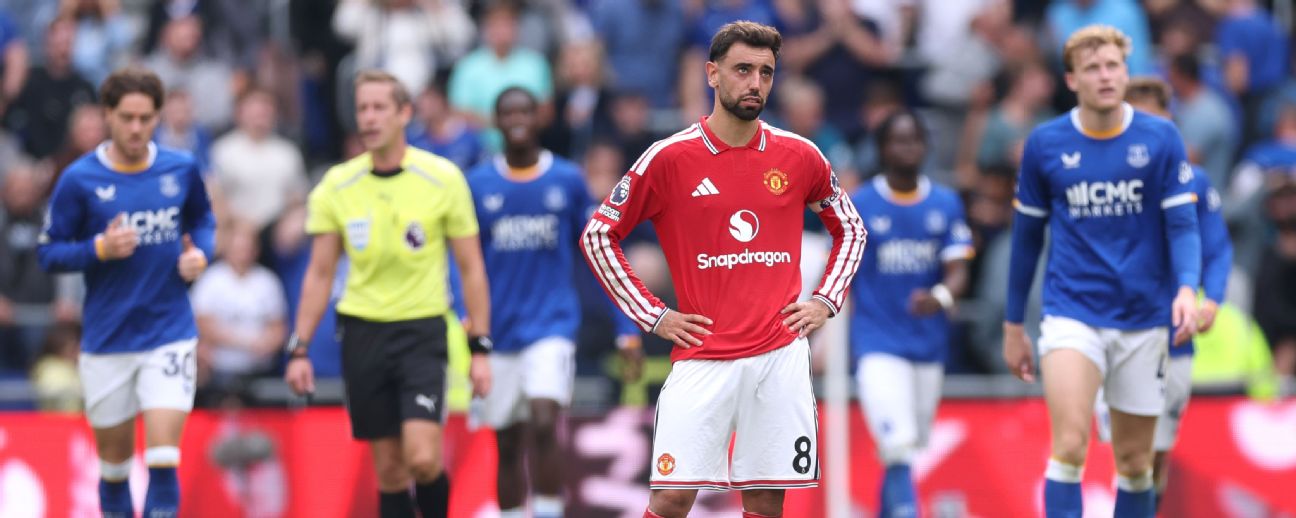
Pressure Mounts on Manchester United After Sluggish Premier League Start
Manchester United face mounting scrutiny after taking just one win from their opening three Premier League fixtures, conceding two goals in every outing.
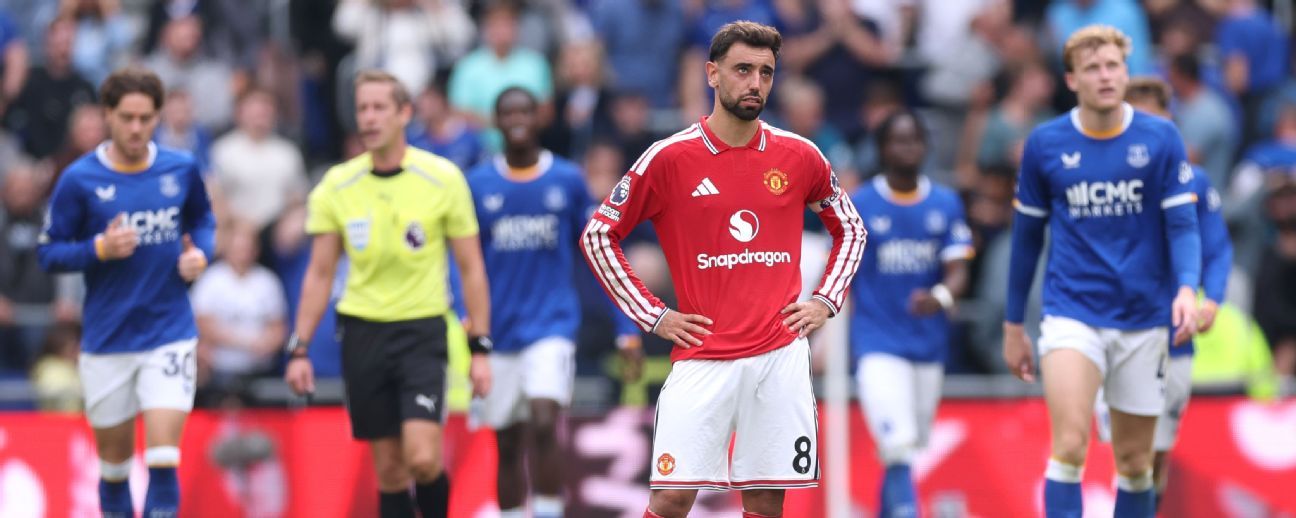
Manchester United Defensive Woes Exposed by Stark Clean Sheet Record
Manchester United's defensive unit is under mounting scrutiny after failing to keep a clean sheet this season, accompanied by a concerning long-term record.
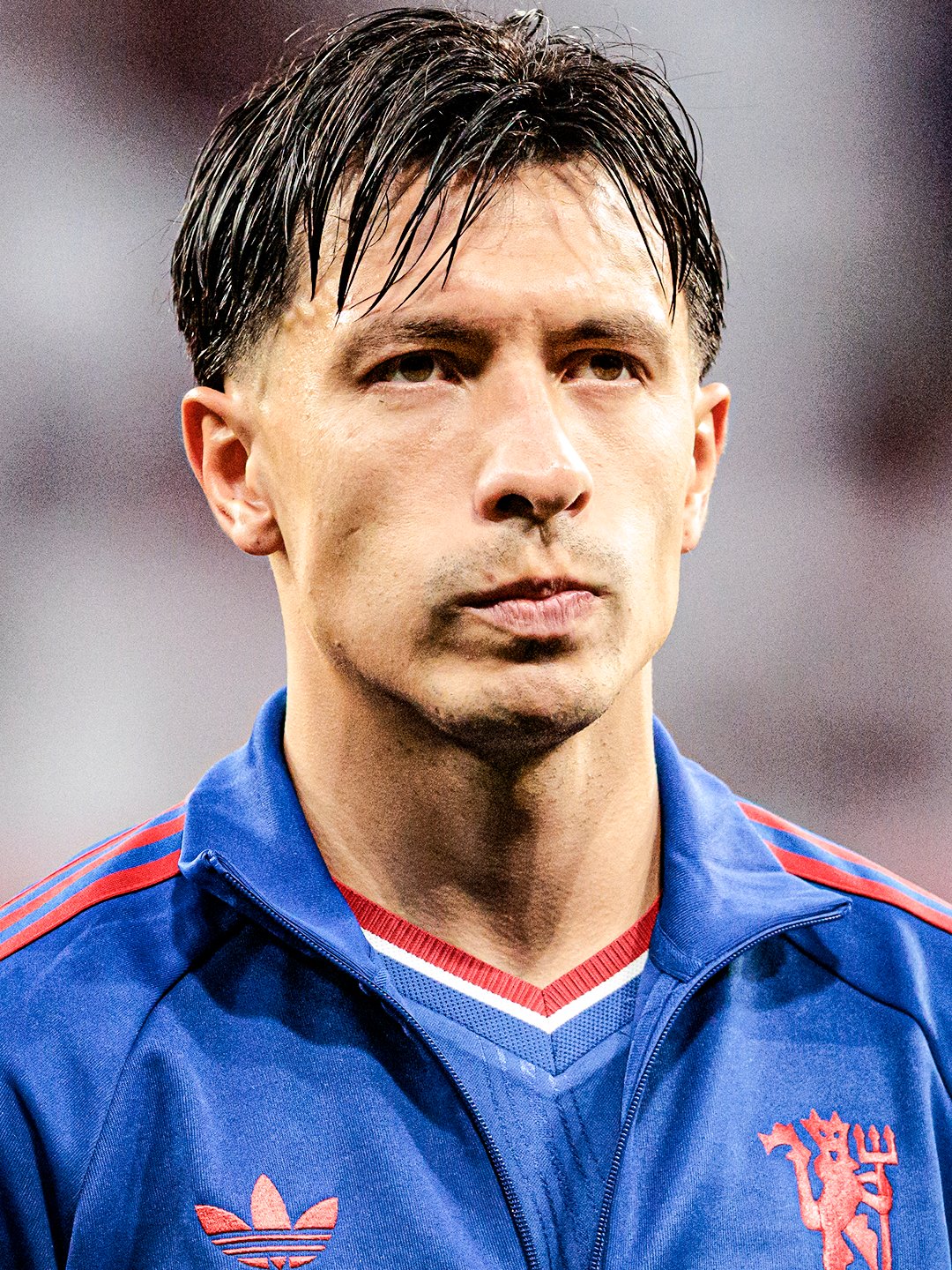
Licha Drops the Mask: Martínez Exposes United's Rotten Core, But the Dressing Room Isn't Innocent
"You keep changing managers but what about other areas?" That is not a throwaway remark. It is a defender looking past the touchline and pointing at the people upstairs.
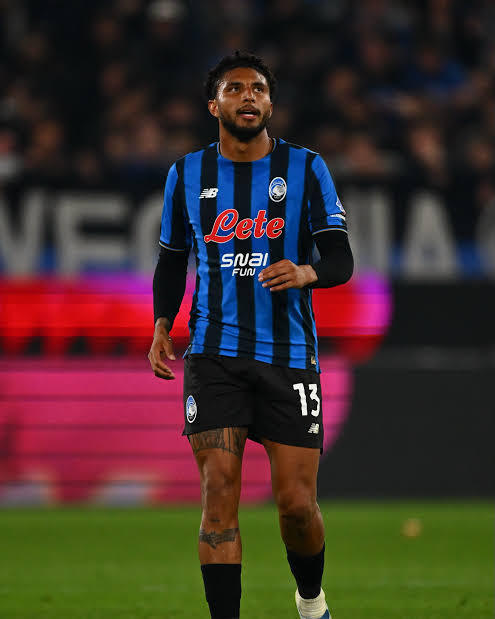
Ederson Addresses Collapsed £35m Manchester United Transfer
Atalanta midfielder Ederson has spoken out on his proposed £35m switch to Manchester United after the Premier League club changed course on the deal.