Unstoppable Dynasty? Why PSG Is Positioned to Claim an Unprecedented Champions League Three-Peat
With tactical mastery, squad depth, and relentless momentum, Paris Saint-Germain are locking their sights on European football history. As the reigning champions eye a third consecutive European crown, we analyze the key factors that make Luis Enrique’s side almost impossible to stop.
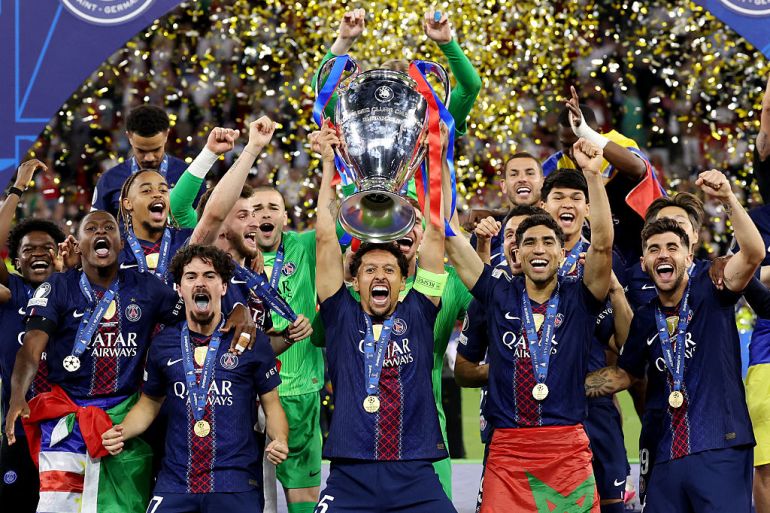
PSG’s European Dynasty: Can Luis Enrique’s Men Make Champions League History With a Third Straight Title?
By Victor Dike
Paris Saint-Germain have transformed themselves from a club obsessed with conquering Europe into the team everyone else wants to dethrone. Having reportedly won the UEFA Champions League in consecutive seasons, the French giants are now chasing a third successive crown under Luis Enrique — a feat that would place them among the most dominant teams in European football history.
Their thrilling 4–2 victory over Barcelona at the Parc des Princes on Tuesday, 20 October, has further strengthened the belief that another historic campaign is within reach. The performance showcased PSG’s attacking quality, resilience and ability to respond when opponents threaten to seize control.
Yet, while the result offered another glimpse of their potential, the greater challenge lies ahead. Winning the Champions League demands more than explosive performances and individual brilliance. Sustaining that level across an entire campaign, particularly when the pressure intensifies in the knockout rounds, is what separates outstanding teams from genuine European dynasties.
PSG Have the Experience of Champions
One of PSG’s greatest advantages is the confidence that comes with having conquered Europe. They are no longer approaching the competition as outsiders hoping to establish themselves among the continent’s elite. Instead, they enter as defending champions with a reputation to protect and a historic benchmark within reach.
Real Madrid remain the standard for consecutive Champions League triumphs in the modern era, having lifted the trophy three times in succession between 2016 and 2018. Their achievement demonstrated how experience, composure and an established winning mentality can become decisive when the margins between success and failure are narrow.
For PSG, the opportunity to emulate that dominance represents both a source of motivation and a considerable burden.
European campaigns rarely unfold without setbacks. Difficult away fixtures, injuries, tactical surprises and periods of poor form can derail even the most talented squads. Having experienced the demands of winning and defending the title, PSG possess a foundation on which to build their latest challenge.
However, past success is only an advantage if it translates into consistent performances. Their next step is to demonstrate that winning has become part of the club’s identity rather than a high point that is difficult to reproduce.
The Barcelona Victory Underlines PSG’s Attacking Strength
PSG’s 4–2 victory over Barcelona offered a compelling illustration of their attacking threat and capacity to respond under pressure.
Désiré Doué opened the scoring before Barcelona fought back through Xavi Espart and Lamine Yamal. PSG subsequently regained control, with Lucas Hernández, Vitinha and Fabián Ruiz contributing to a victory that highlighted the hosts’ ability to find solutions when the contest became difficult.
The significance of the performance extended beyond the scoreline. Barcelona’s response tested PSG’s composure, but the French side continued to attack, exploit openings and create decisive moments.
Rather than becoming unsettled when their advantage came under threat, they demonstrated the attacking ambition and collective determination required to compete against elite opposition.
Vitinha’s influence in midfield and Doué’s contribution in the final third further underlined the range of options available to Luis Enrique. PSG’s ability to threaten through different players also reduces their dependence on any single individual to deliver a decisive performance.
After the match, Doué expressed confidence in the team’s attacking capabilities, saying: “We know our qualities, we know we can score at any moment.”
That belief could prove valuable as the competition progresses. In the knockout rounds, opponents often succeed in disrupting a team’s preferred rhythm, forcing it to find alternative routes to goal. The ability to create opportunities under those circumstances can make the difference between advancing and being eliminated.
Nevertheless, PSG must ensure that their attacking confidence is matched by defensive discipline. Scoring four goals is an impressive achievement, but conceding twice also offers opponents material to study. Against the strongest teams in Europe, even brief lapses in concentration can carry serious consequences.
Why Luis Enrique Could Be the Difference
PSG’s ambitions are closely tied to Luis Enrique, whose approach places emphasis on intense pressing, purposeful possession and collective responsibility.
His system demands contributions throughout the team. Players must work without the ball, recover possession quickly and support attacks with intelligent movement. The objective is not simply to accumulate possession but to use it to create pressure, control territory and generate opportunities.
Following the victory over Barcelona, Enrique reportedly declared: “I have the best team in the world.”
The statement reflects the confidence he has in his squad, but the greater measure of his influence lies in how effectively he translates that belief into performances on the pitch.
PSG’s response to Barcelona’s pressure illustrated the importance of tactical adaptability. They faced a spell in which the visitors threatened to shift the balance of the contest, yet recovered their footing and made their opportunities count.
That ability to adjust during a match could become one of their greatest strengths. At the highest level of European football, tactical plans are frequently challenged by opponents with the quality to exploit weaknesses. Managers must recognise those changes, make timely adjustments and ensure their players remain composed.
Enrique has also acknowledged that the decisive phase of the competition comes later in the season, when the remaining contenders face increasingly demanding tests.
That perspective is important. Strong performances in the league phase can establish momentum, but they offer no guarantee of success in the quarter-finals, semi-finals or final. PSG’s challenge is to preserve their intensity while continuing to evolve as opponents find new ways to counter them.
Why a Third Consecutive Title Remains So Difficult
Despite their impressive performances, PSG must overcome several obstacles before they can turn their ambitions into history.
- The physical demands of a long season
Competing across domestic and European competitions places considerable demands on players. Maintaining high pressing intensity and attacking tempo requires fitness, careful workload management and sufficient depth across the squad.
Injuries can disrupt even the most carefully organised team, particularly when key players perform multiple roles. Enrique’s ability to rotate his squad without compromising its tactical identity could therefore prove crucial.
Any injury concerns raised after the Barcelona match would need to be assessed carefully, especially as the schedule becomes more demanding.
- Opponents will study their weaknesses
Success inevitably attracts scrutiny. As defending champions, PSG can expect opponents to analyse their pressing structure, defensive positioning and transitions in search of weaknesses.
Teams may attempt to bypass their press, exploit the space left behind advancing defenders or force their midfielders into uncomfortable positions. Others may prioritise defensive organisation and look to punish mistakes on the counterattack.
PSG must therefore avoid becoming predictable. Their ability to vary their approach while preserving the principles that have made them successful will be essential.
- The psychological burden of defending the crown
Winning the Champions League once is difficult. Retaining it brings a different level of expectation, while pursuing a third successive title raises the stakes even further.
Every defeat attracts attention. Every defensive mistake invites questions. Even a temporary dip in form can become a major talking point when a team is chasing history.
The challenge is to remain focused on the next match rather than becoming consumed by the prospect of another trophy. PSG must approach each fixture with the same discipline and urgency that helped them reach the summit in the first place.
- Real Madrid’s historic benchmark
Real Madrid’s three consecutive European Cup triumphs from 2016 to 2018 remain a powerful reference point. Led by experienced figures such as Cristiano Ronaldo, Luka Modrić and Sergio Ramos, Madrid repeatedly demonstrated their ability to manage pressure and deliver decisive performances on the biggest stage.
Their achievement was not simply a product of talent. It also reflected experience, leadership and an understanding of how to navigate the defining moments of elite European competition.
PSG will need their own leaders to demonstrate similar composure when the margins become narrow and the consequences of a single mistake become enormous.
Are PSG Ready to Build a European Dynasty?
PSG have compelling reasons to believe they can extend their dominance. Their attacking options, tactical organisation and confidence under Luis Enrique provide a strong platform for another serious title challenge.
The victory over Barcelona was particularly encouraging because PSG had to respond when the visitors threatened to take control. They did not simply rely on sustained dominance; they also demonstrated the ability to recover their composure and turn difficult moments into opportunities.
Doué’s contribution, Vitinha’s influence and the team’s collective response offered further evidence of their potential.
But a European dynasty cannot be built on reputation alone. PSG must keep their key players fit, maintain their intensity and continue producing consistent performances against the continent’s strongest sides. A single poor performance or a costly mistake in the knockout rounds could bring their ambitions to an abrupt end.
Their challenge is therefore twofold: preserve the qualities that have brought them success while developing the flexibility to overcome opponents who are increasingly familiar with their methods.
A third consecutive Champions League title would represent more than another trophy. It would be a statement of sustained excellence in a competition where dominance is notoriously difficult to maintain.
PSG may have the talent, the manager and the confidence to pursue that ambition. Whether they can turn those advantages into history will depend on their ability to deliver when the pressure is at its highest.
The question is no longer simply whether PSG can win Europe. It is whether they can remain Europe’s benchmark when every rival is determined to bring them down.
Read next
Stories you should not miss
Related stories
More on Champions League
Published Thursday, 22 October 2026. Published through the Nisty Football newsroom.
Fan reaction
Comments (0)
Leave a comment
No account needed · 0 approved
0/1500 characters · comments are reviewed before publication
More from Nisty Football
Related stories
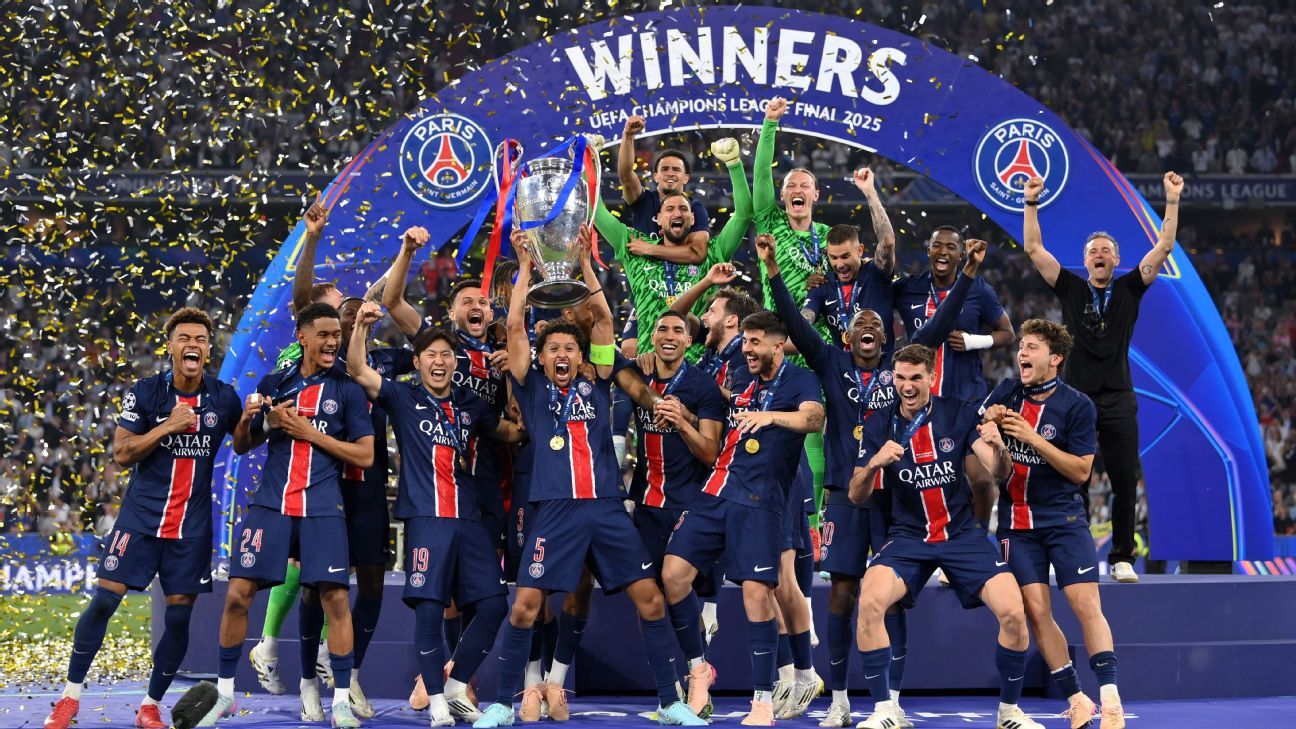
WHO CAN STOP PSG?
PSG are not merely participating in Europe’s elite competition anymore. They are beginning to look like they belong at the very top of it.
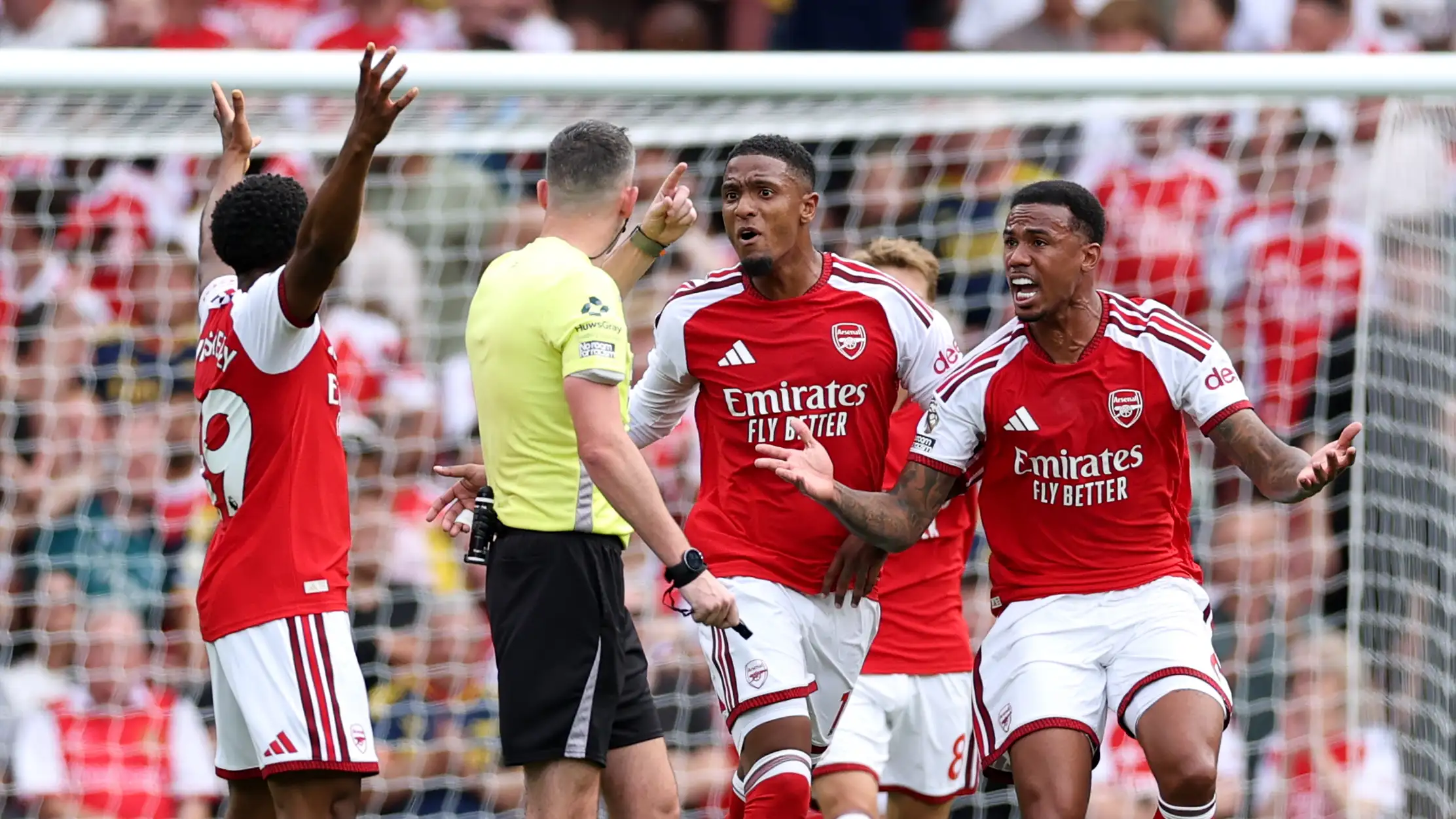
Arsenal Risk UEFA Fine After Travel Issues Force Press Conference Cancellation
Arsenal could face disciplinary action from UEFA after travel disruption forced the cancellation of their pre-match press conference ahead of facing Napoli.
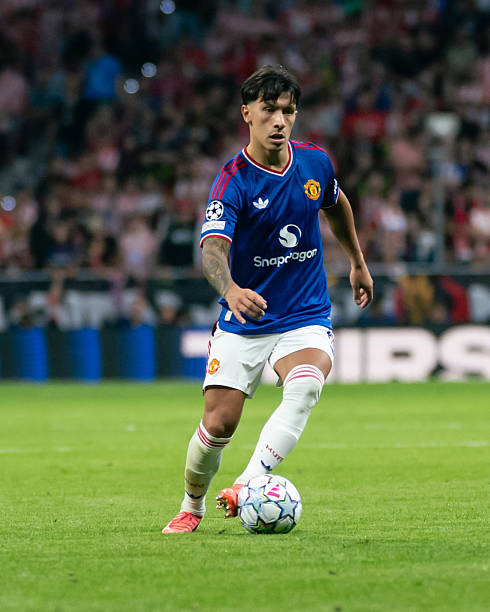
Silenced? Martínez's Apology Smells Like a Club in Damage Control, and INEOS Has Questions to Answer
Players do not walk back the most honest interview of their season by accident. The club got to him.
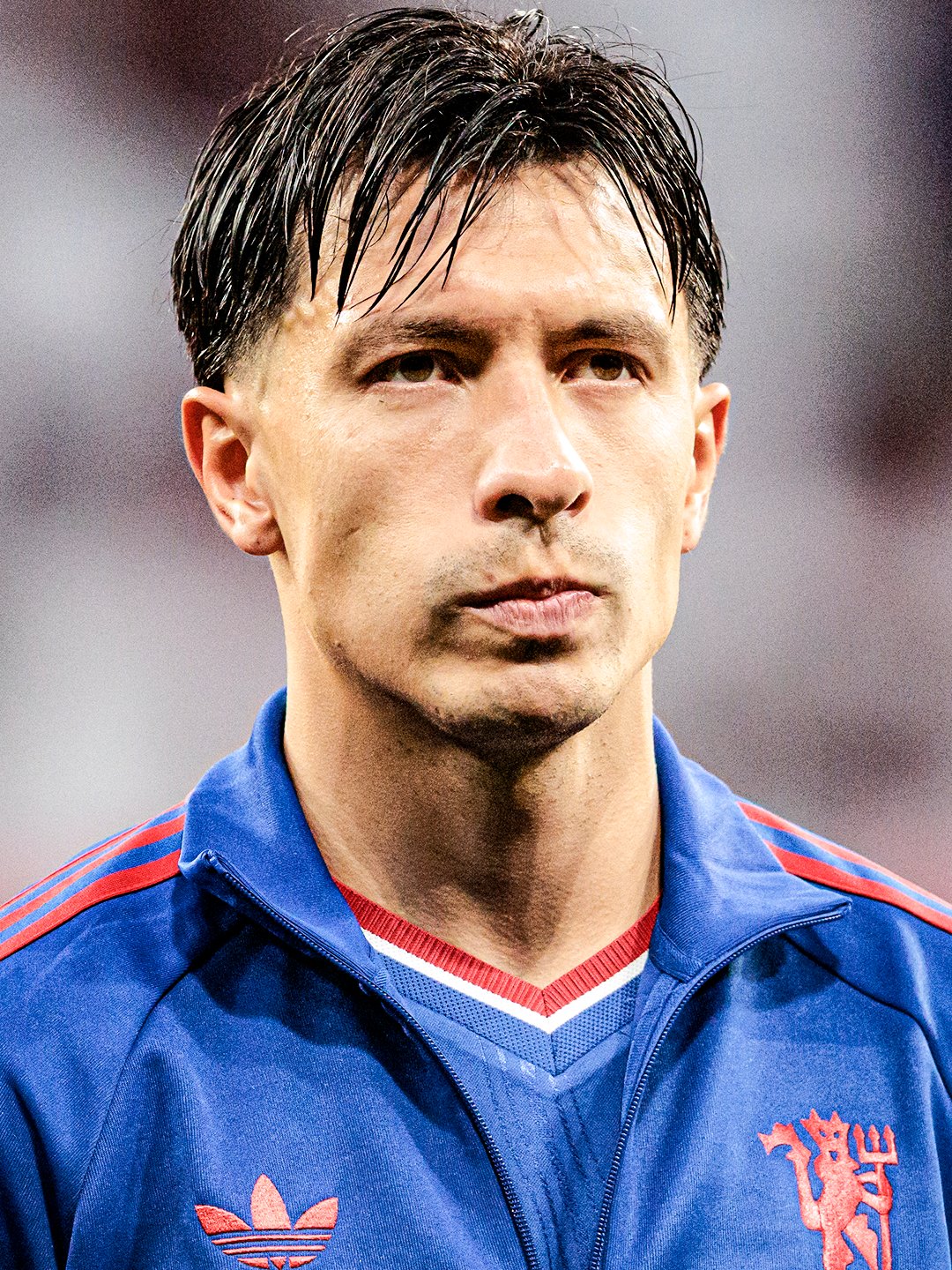
Licha Drops the Mask: Martínez Exposes United's Rotten Core, But the Dressing Room Isn't Innocent
"You keep changing managers but what about other areas?" That is not a throwaway remark. It is a defender looking past the touchline and pointing at the people upstairs.