Dorgu Saves Manchester United, But Who Will Save Carrick’s Defence?
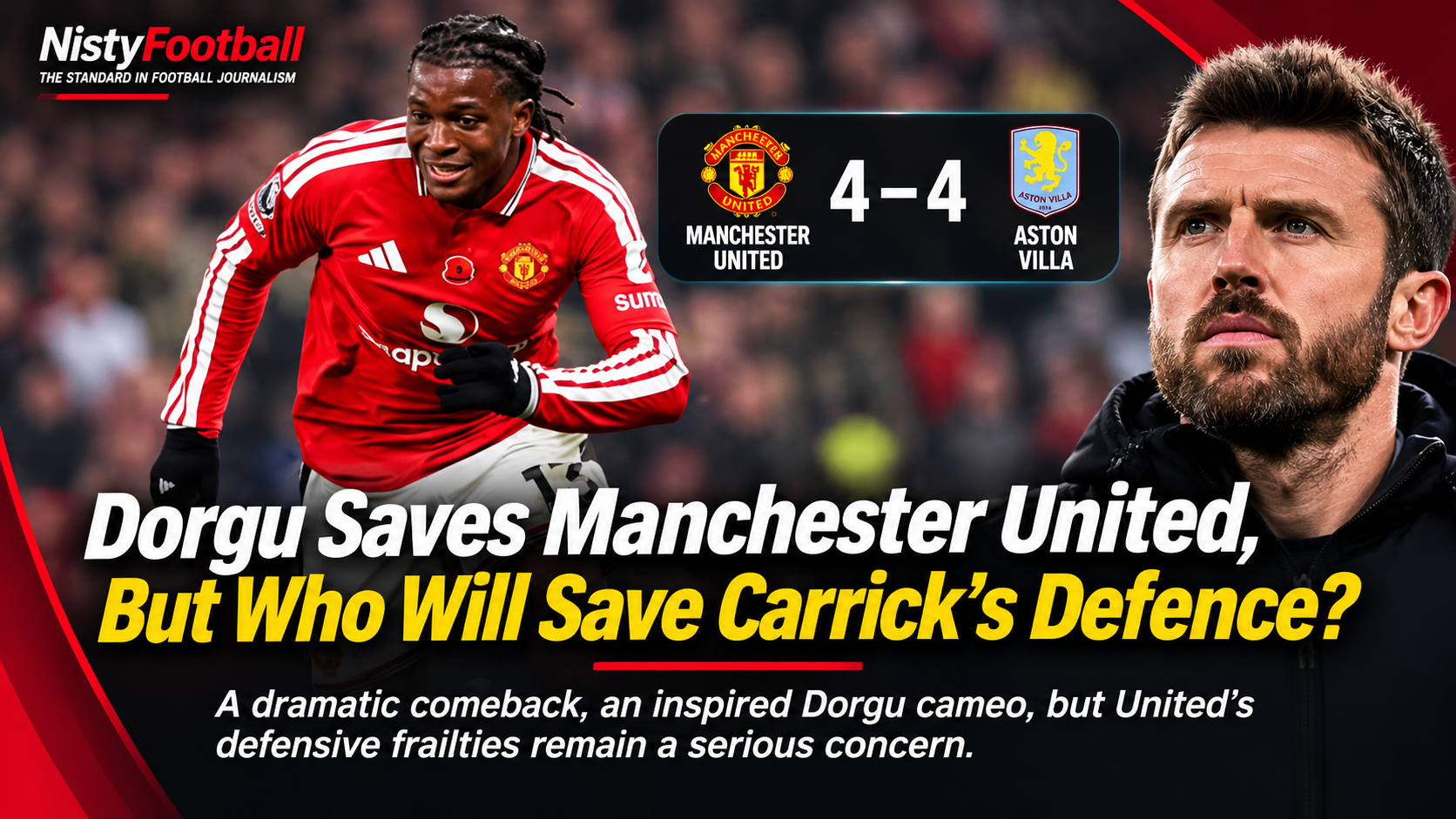
Patrick Dorgu delivered a stunning stoppage-time rescue for Manchester United against Aston Villa, but their 4–4 draw exposed defensive problems that Michael Carrick cannot afford to ignore.
Dorgu Saves Manchester United, But Who Will Save Carrick’s Defence?
Patrick Dorgu inspired a remarkable stoppage-time rescue against Aston Villa, but Manchester United’s 4–4 draw exposed defensive problems that Michael Carrick cannot afford to ignore.
Manchester United produced a comeback worthy of celebration against Aston Villa at Old Trafford. Two goals in stoppage time, a substitute delivering an assist before scoring the equaliser, and a team refusing to surrender even when defeat appeared inevitable.
It was dramatic. It was entertaining. And it was a reminder of the character within this Manchester United side.
But beneath the late excitement was a much more uncomfortable story for Michael Carrick.
Patrick Dorgu may have rescued a point, but Manchester United's attacking brilliance could not completely disguise a defence that continues to look dangerously unreliable.
United had 56 per cent possession, registered 26 shots, found the target nine times and recorded six big chances. Their expected goals stood at 3.55, compared with Aston Villa’s 2.88. They also recorded 44 touches inside Villa’s penalty area, more than double the visitors’ 17.
Those are the numbers of a team capable of causing serious problems.
Yet United conceded four goals.
And that is where the real conversation begins.
Villa exposed United before they could settle
The opening four minutes offered an early warning of what was to come.
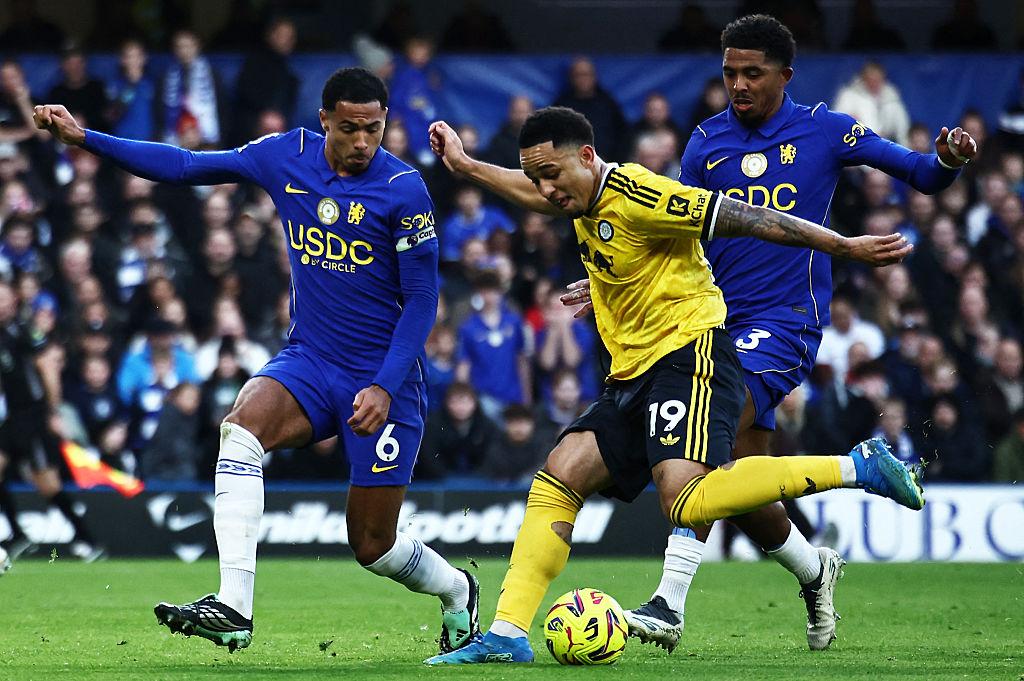
Aston Villa needed barely a minute to take the lead. An early throw-in from the left caused confusion in United’s defensive structure. The ball eventually reached John McGinn, who played it into the path of Alysson. Diogo Dalot was beaten to the pass, allowing Alysson to finish through Senne Lammens.
Before United could recover their composure, Villa struck again.
Leny Yoro's attempted clearance failed to move the danger away from the penalty area. Alysson's follow-up effort was parried by Lammens, but Nicolas Jackson reacted quickest to the rebound and finished into an unguarded net.
Two goals conceded. Barely four minutes played.
For a team with ambitions of competing at the highest level, such a start is difficult to defend. It was not simply a case of Villa taking their chances. United's concentration, defensive reactions and handling of second balls were all exposed.
The damage was already done before the contest had properly settled.
United had the attacking numbers. So where was the control?
What makes the result particularly frustrating for Carrick is that Manchester United were not short of attacking quality.
The statistics reveal a side that created considerable pressure and spent long periods pushing Villa backwards.
United recorded 26 attempts to Villa's 12, nine shots on target to six, six big chances to five and eight corners to the visitors' one. Their 44 touches in Villa's box compared with 17 also underline their territorial advantage.
However, attacking dominance is not the same as controlling a football match.
United could move the ball forward, create opportunities and repeatedly threaten Villa's goal. But whenever possession changed hands, the visitors found opportunities to expose the space left behind.
That distinction became central to the contest.
United had enough attacking pressure to win the game, but they did not have the defensive security to protect themselves from Villa's threat.
The transition problem Carrick must solve
The biggest concern was United's vulnerability when possession changed hands.
As more players committed forward, the space behind them became increasingly available for Villa to exploit. The problem was not necessarily that United attacked too much. Their attacking numbers suggest that continuing to put Villa under pressure was a reasonable approach.
The problem was the balance behind those attacks.
A team can commit bodies forward and still maintain enough defensive organisation to prevent opponents from turning every loose ball into a dangerous opportunity. United struggled to achieve that balance.
Villa scored four times from just 12 attempts, while United needed 26 shots to register the same number of goals.
That efficiency gap tells part of the story. United could dominate the attacking statistics and still find themselves trailing 4–2 because Villa were far more effective at punishing their defensive weaknesses.
The visitors did not need to dominate possession. They needed to recognise the moments when United were stretched and exploit them.
For Carrick, that is a problem that cannot be solved by simply asking his attackers to score more goals.
Carrick's changes brought Dorgu to the rescue
With United trailing 4–2, Carrick turned to his bench in the 66th minute, making three changes.
Patrick Dorgu replaced Diogo Dalot, Mason Mount came on for Youri Tielemans, and Shea Lacey replaced Amad Diallo. Joshua Zirkzee was introduced later, replacing Bryan Mbeumo in the 83rd minute.
The changes gave United a different attacking dimension.
Rather than simply circulating possession and searching for openings, the hosts began committing more attacking bodies into Villa's defensive area. The urgency increased, and Villa were forced to spend more time defending their own penalty box.
Dorgu was particularly influential.
Replacing Dalot, he offered a more aggressive outlet from the flank. He was willing to drive forward, attack available space and deliver the ball into dangerous areas. His contribution gave United another route towards goal at a time when Villa were increasingly retreating towards their own penalty area.
But Dorgu's influence went far beyond simply adding energy to the attack.
One assist. One goal. One unforgettable cameo.
With United still trailing 4–2 in stoppage time, Dorgu produced the moment that brought them back into the contest.
He delivered the cross that allowed Joshua Zirkzee to score and reduce the deficit to 4–3.
It was a decisive contribution. United had been searching for a way back into the game, and Dorgu provided it.
But he was not finished.
In the sixth minute of stoppage time, Bruno Fernandes delivered a corner into the penalty area. With United committing virtually everyone forward, Dorgu attacked the delivery and headed the ball beyond Zion Suzuki to complete the comeback.
From substitute to match-saving hero.
One assist. One goal. One point rescued.
His performance was not simply about the numbers on the scoresheet. His willingness to attack space, take responsibility and deliver dangerous balls into the box gave United an attacking threat that Villa struggled to contain.
It was the kind of cameo that changes the mood of a stadium and gives supporters something to remember.
For Carrick, however, it should also provide a reminder of how much his team still needs to improve.
The comeback cannot hide the defensive problems
Carrick deserves credit for the substitutions. United were two goals behind when the changes began to take effect, and the team eventually found a way to recover a point that had looked beyond reach.
The character was impressive. The attacking response was encouraging. Dorgu's contribution was outstanding.
But celebrating the comeback without examining what made it necessary would be a mistake.
United had already conceded four goals. Two arrived within the opening four minutes. Another came from a penalty after Dalot brought down Alysson. The fourth followed a dangerous free-kick sequence in which Yoro's header went towards his own goal before Goretzka converted the rebound.
That is a lot of defensive damage for one afternoon.
United cannot build a reliable winning team on the assumption that their attacking players will always find a way to rescue them. There will be matches when the chances do not come, when the finishing is not clinical and when a late equaliser is simply not available.
Their attacking quality can save them occasionally. It cannot become a permanent solution to defensive instability.
The real question facing Carrick
Manchester United's 4–4 draw with Aston Villa leaves Carrick with two very different messages.
The positive is clear. His team showed character, created opportunities and refused to accept defeat. The substitutions changed the momentum, and Dorgu delivered an extraordinary individual performance that rescued a point.
But the warning is just as obvious.
Villa exposed a defence that remains too easy to disrupt. United had 56 per cent possession, 26 attempts, six big chances and 44 touches in the opposition box, yet still conceded four times.
How can a team be so dominant with the ball while remaining so vulnerable without it?
That is the paradox Carrick must solve.
Patrick Dorgu may have saved Manchester United from defeat against Aston Villa, but the bigger challenge remains with the manager. Unless Carrick can establish a more dependable defensive structure behind United's attacking ambition, another opponent will eventually find the same weaknesses.
And next time, there may be no Dorgu to save the day.
---
Match Statistics
| Statistic | Manchester United | Aston Villa | |---|---:|---:| | Possession | 56% | 44% | | Expected Goals (xG) | 3.55 | 2.88 | | Shots | 26 | 12 | | Shots on target | 9 | 6 | | Big chances | 6 | 5 | | Touches in opposition box | 44 | 17 | | Corners | 8 | 1 | | Sprints | 123 | 93 | | Tackles | 25 | 10 |
Read next
Stories you should not miss

Analysis
Inside Pochettino's Manchester United Arrival: Leaks, Audits and Old Trafford's Toxic Culture
Analysis
Manchester United Could Be About to Find Their Spark Again: What Mauricio Pochettino Would Bring to Old Trafford
Analysis
Manchester United Keep Sacking Managers. But Is Football Media Part of the Problem?
Related stories
More on Premier League

Published Monday, 9 November 2026. Published through the Nisty Football newsroom.
Enjoyed it? Tell us — and pass it on
The discussion
What do you think? (0)
Leave a comment
No account needed · 0 approved
0/1500 characters · comments are reviewed before publication
The Daily Kick-off
Football in your inbox, every morning at 7am
One email: the overnight transfer moves, the tactical story of the night, and every fixture that matters today. No noise, no clickbait.
More from Nisty Football
Related stories
Michael Carrick Under Pressure: Is Football Giving Young Managers a Fair Chance?
At Manchester United, patience has become one of football’s rarest commodities.
Carrick on the Brink! Manchester United Turn to Pochettino as Crisis Deepens
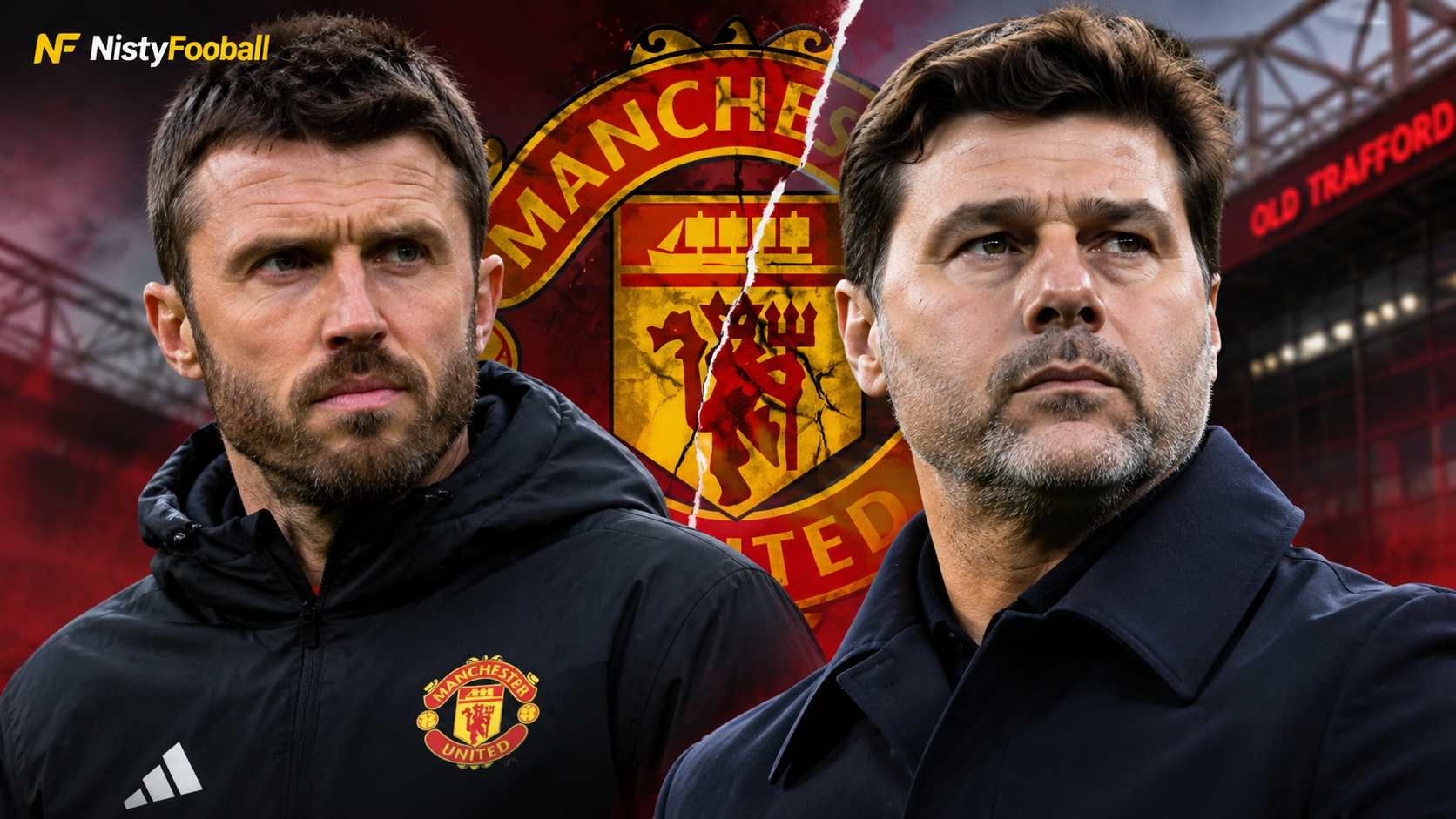
Manchester United’s managerial crisis is deepening, and Michael Carrick’s future is hanging in the balance. With Mauricio Pochettino reportedly emerging as a leading candidate, could Old Trafford be preparing for another major shake-up?
The Glazers Keep Winning Because Manchester United Fans Are Part of the Problem
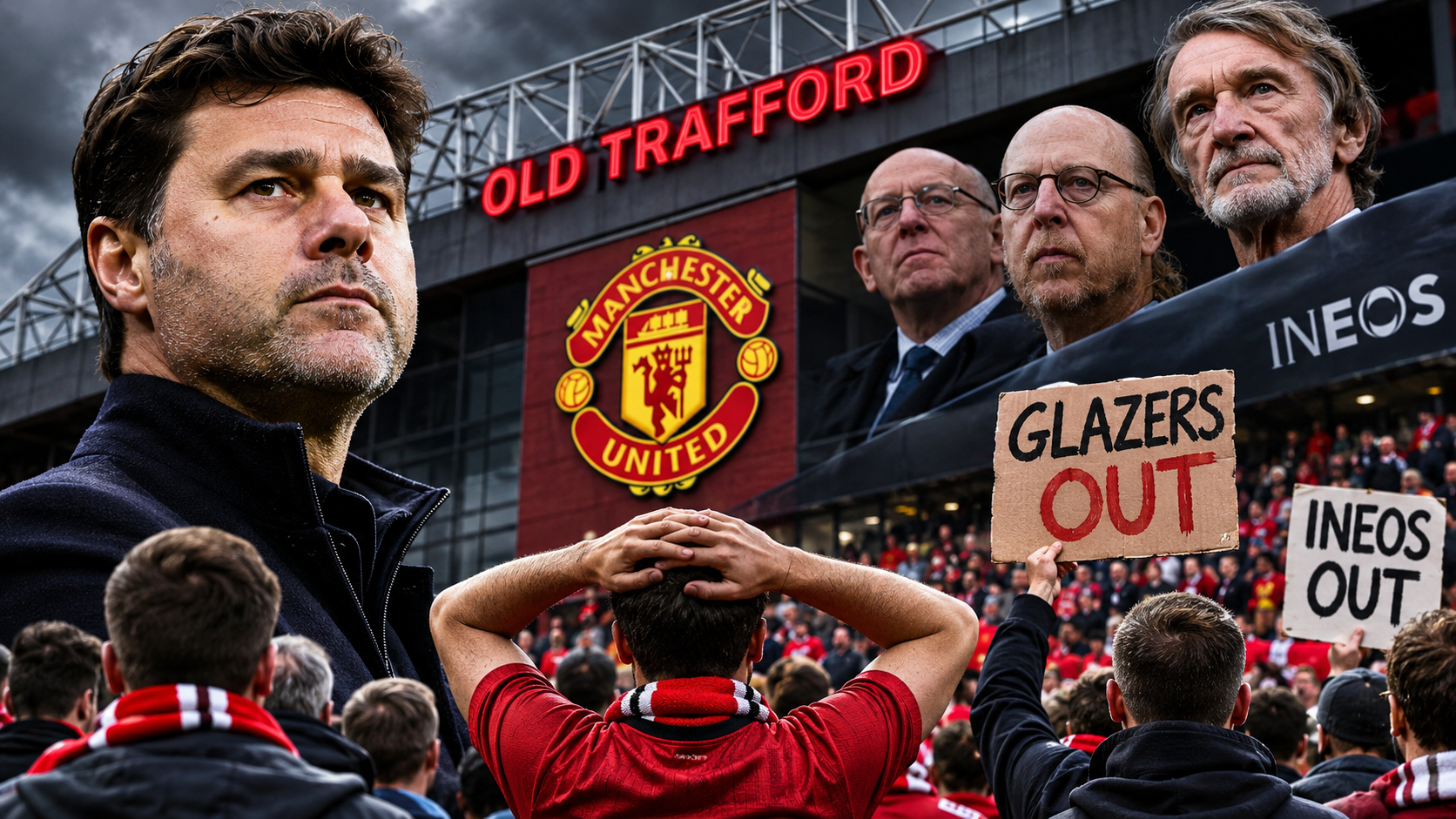
Manchester United do not simply need another manager. They need supporters who refuse to forget why the club needed another manager in the first place.
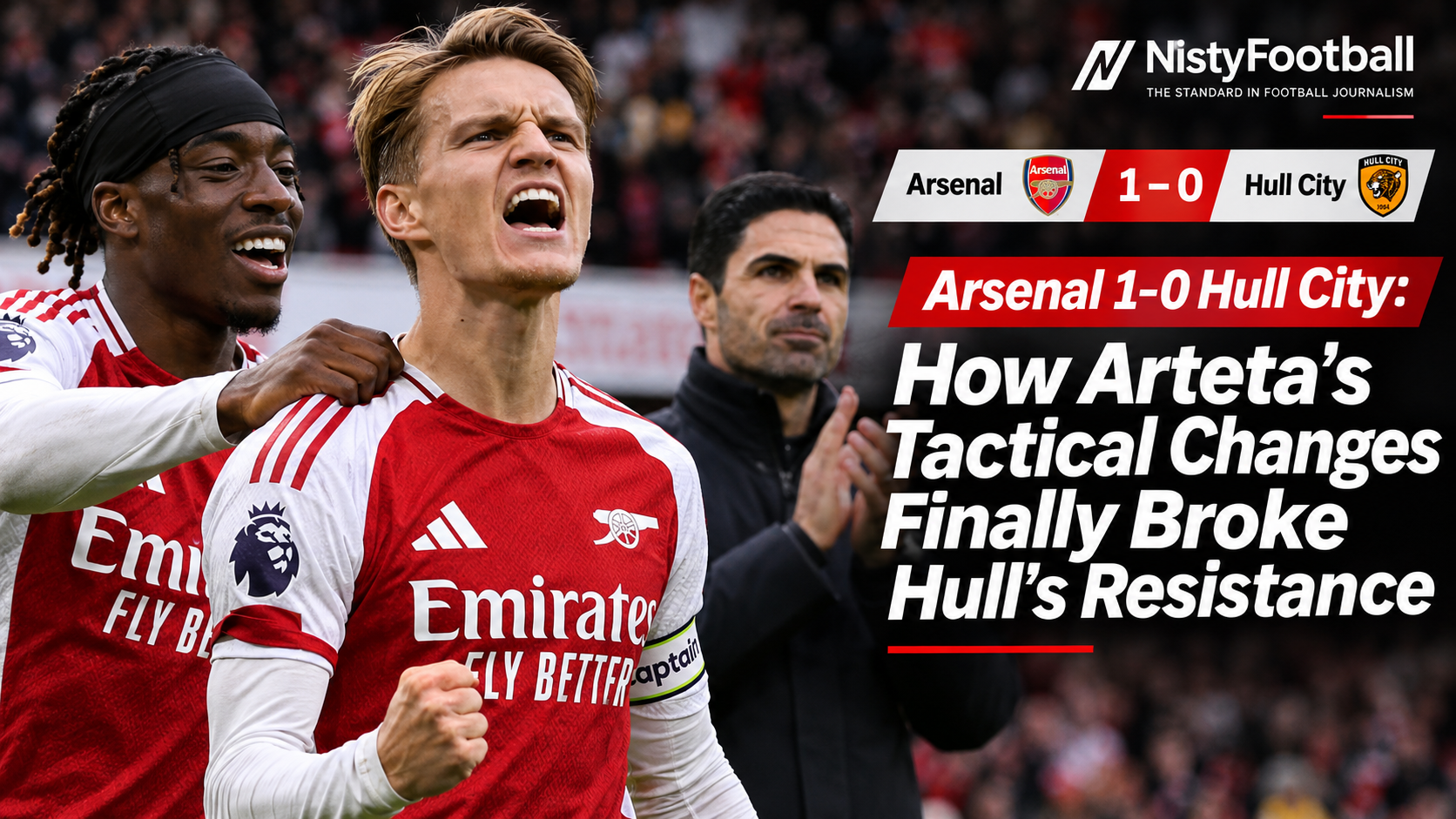
Arsenal 1–0 Hull City: How Arteta's Tactical Changes Finally Broke Hull's Resistance
Arsenal dominated possession but struggled to find a breakthrough against Hull City. Mikel Arteta's tactical adjustments, attacking substitutions and Martin Ødegaard's decisive finish eventually secured a hard-fought 1-0 victory.