The Weirdest Alliance in Football: Why Real Madrid and Manchester United Fans Won't Stop Fighting FOR Each Other
If you support any of these six clubs, this is the story of why your rivalry runs deeper than you think. Read carefully. By the end, even the neutrals won't be neutral anymore.
The Weirdest Alliance in Football: Why Real Madrid and Manchester United Fans Won't Stop Fighting FOR Each Other
Scroll through football Twitter on any big matchday or just anyday and you'll see it
Real Madrid 🤝 Manchester United.
Then, lined up across the battlefield like the villains in a blockbuster nobody asked for but everybody watches:
Barcelona. Arsenal. Manchester City.
On paper, this makes zero sense. Madrid are Spanish royalty. United are English royalty. They've gone toe-to-toe in Europe. They've eliminated each other from the Champions League with the kind of ruthlessness usually reserved for enemies, not friends. And yet, somehow, in the chaotic arena of social media, they've become allies — bonded not by love, but by something far more powerful.
Hate.
Spanish football's political scars. England's Premier League turf wars. Brutal Champions League executions. Superstar transfers that rewired entire fanbases overnight. A managerial bloodline that turned one man's footballing religion into three different clubs' worst nightmare. And the great amplifier of it all — social media — smashing every one of these grudges together into one alliance that nobody planned, nobody signed, and everybody now defends like scripture.
If you support any of these six clubs, this is the story of why your rivalry runs deeper than you think. Read carefully. By the end, even the neutrals won't be neutral anymore.
The Spark: Ronaldo vs Messi Set the World on Fire
It starts, as it always does, with one man who refused to let two fanbases move on.
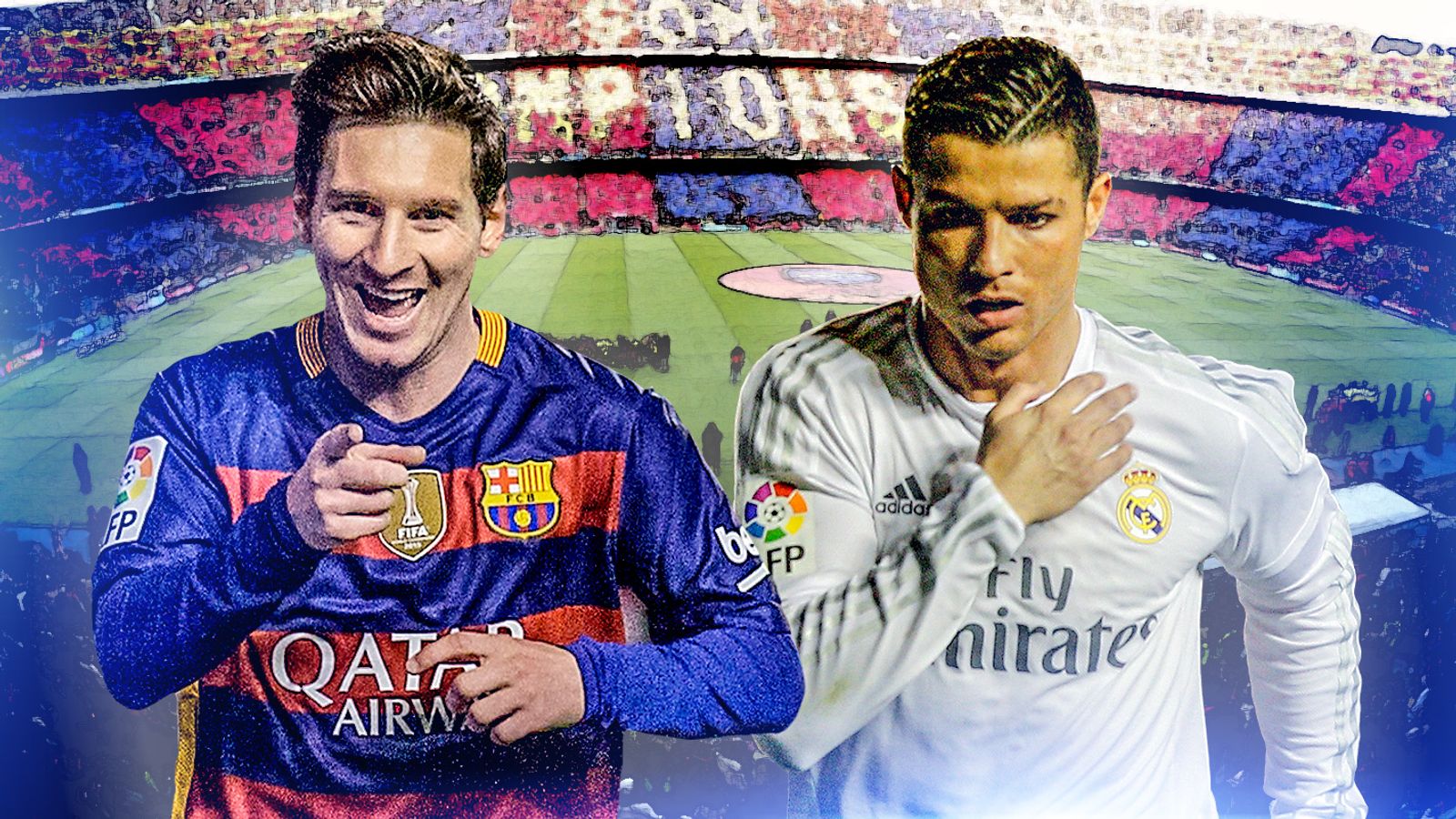
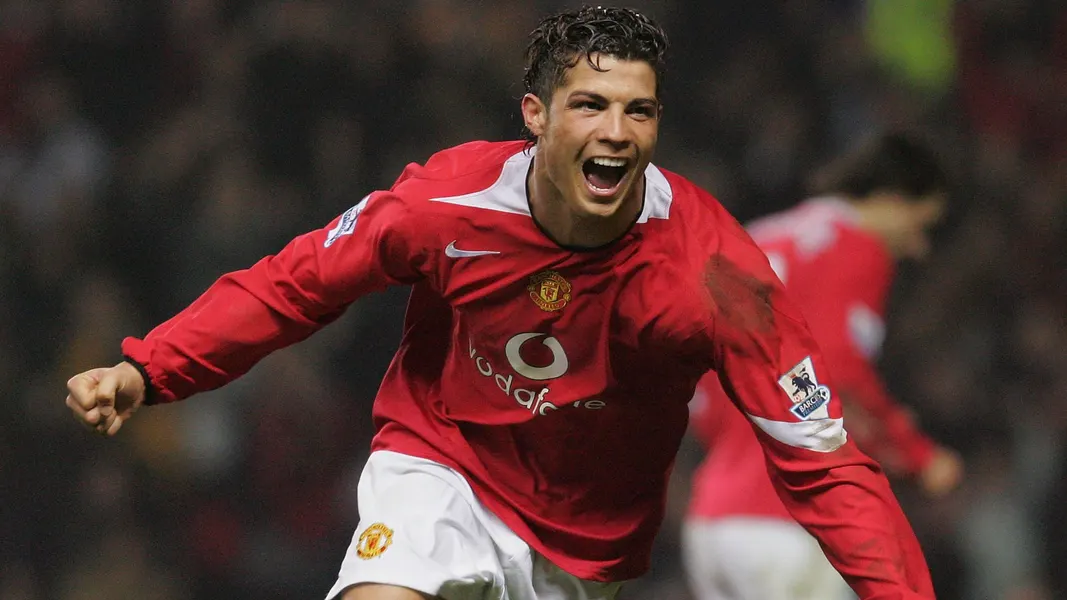
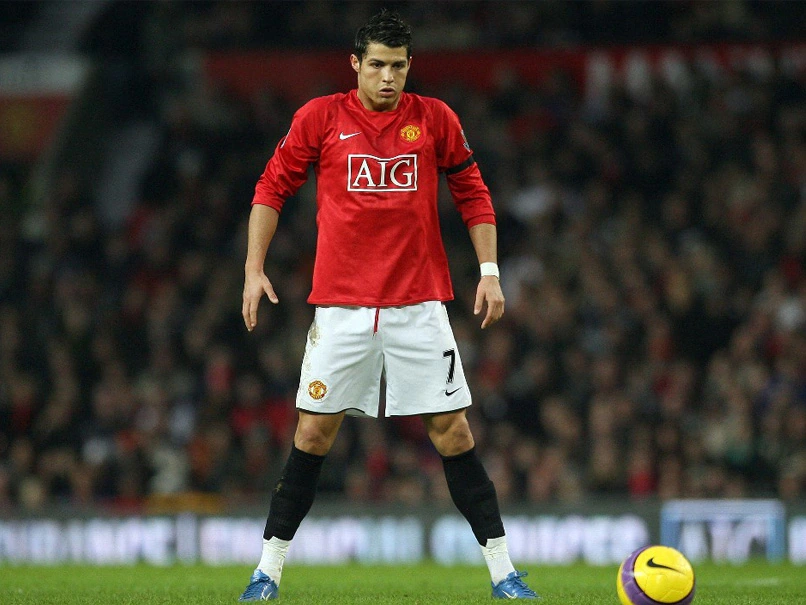
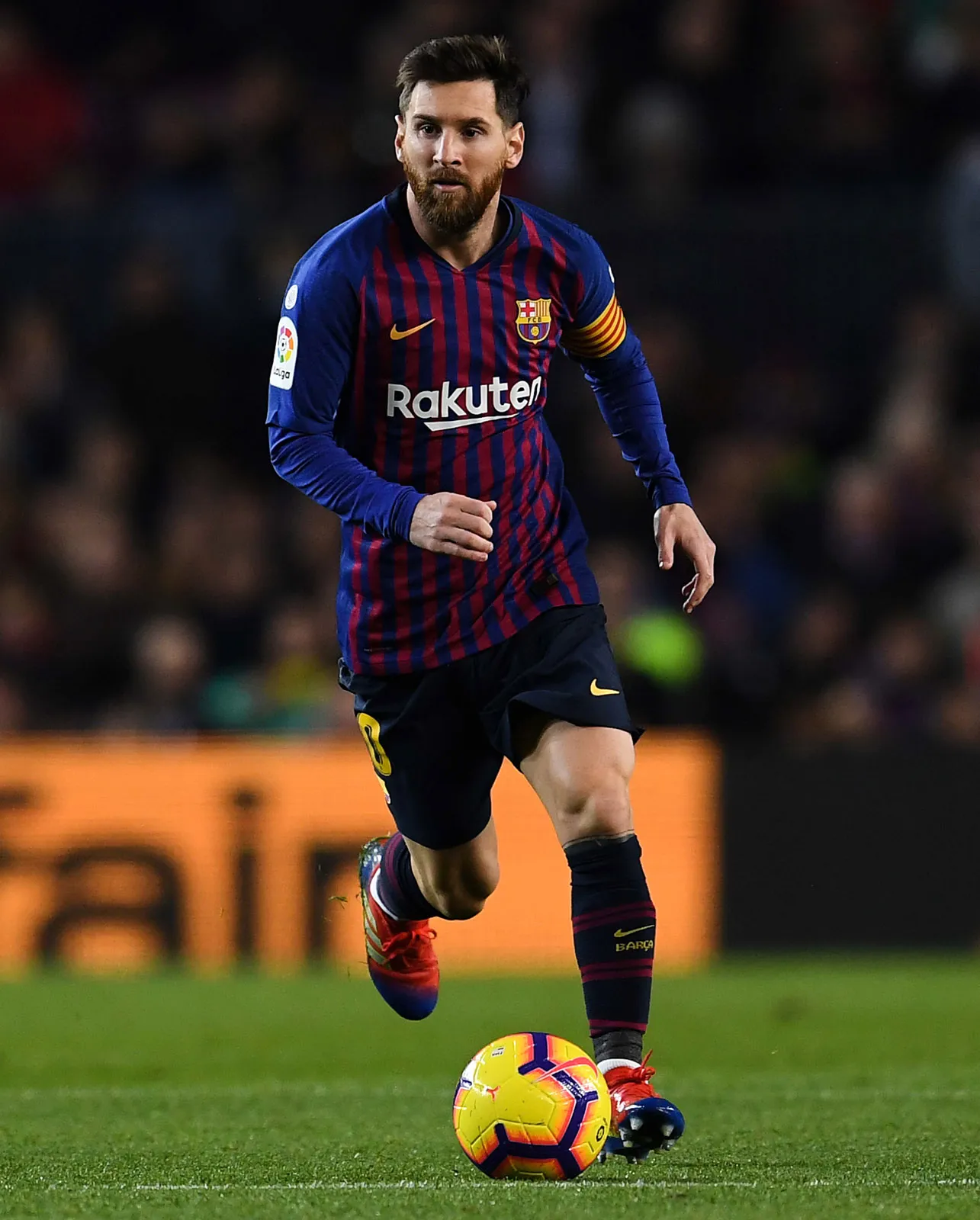
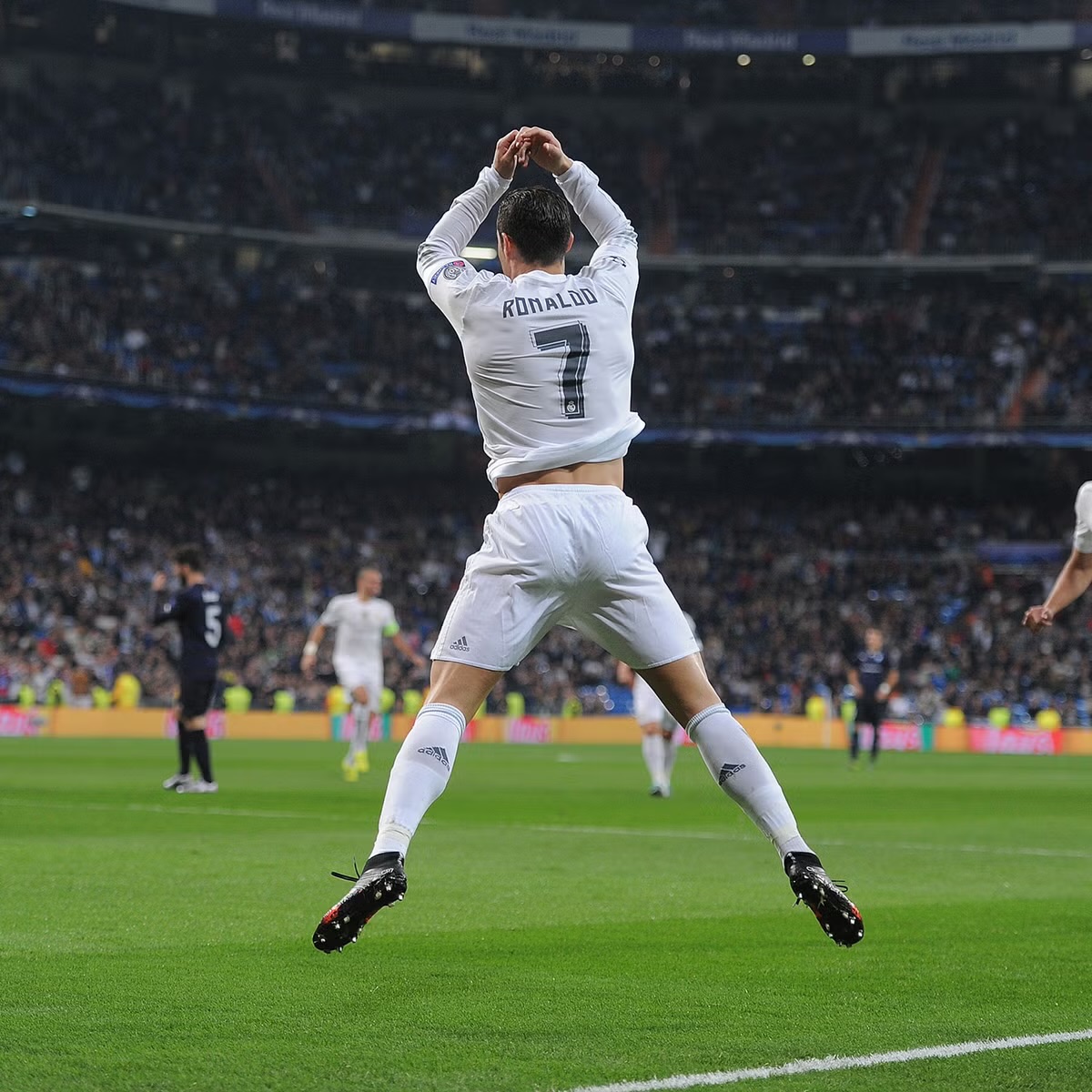
Ronaldo landed at Madrid. Messi already ruled at Barcelona. Suddenly the greatest individual rivalry in football history was being fought inside the fiercest club rivalry on the planet — El Clásico stopped being a match and became a weekly referendum on who was the greatest to ever kick a ball. Every goal was a headline. Every Ballon d'Or was a declaration of war. BBC Sport has noted just how much social media supercharged the Ronaldo-Messi rivalry, turning it into something far bigger than the numbers on the page — an identity war fought by millions who had never even met either player.
And United fans, still burning with pride over the boy they raised, arrived at a brutally simple equation:
Ronaldo is ours. Ronaldo plays for Madrid. So tonight — and every night after — we ride with Madrid.
One player. Two shirts. A fanbase that refused to let go. That's the loose knot that started tying this entire alliance together. But loyalty like this doesn't come from nowhere — it comes from years of scar tissue. So let's open the wound properly.
Why Madrid and Barcelona Despise Each Other
To understand why a United fan would ever find themselves screaming for Real Madrid, you first need to understand the fire burning underneath El Clásico — because this was never just a football match.
Barcelona became fused with Catalan identity, especially through the Franco years, when an entire region's culture was suppressed and the club became one of the few places that identity could survive. Madrid, meanwhile, were painted by every rival in Spain as the club of the establishment — the club of power, of the capital, of control. The rivalry existed before politics and remains a ferocious sporting one at its core, but politics dragged it somewhere most club rivalries never reach. This isn't a grudge. It's closer to a civil war fought in shin pads.
Then football poured petrol on it.
The Di Stéfano War. Both clubs wanted him — and the fight over his registration became one of the most poisonous transfer sagas in football history. Di Stéfano ended up in white, fired Madrid to five straight European Cups, and became the living, breathing symbol of the player Barcelona could never have.
The Figo Betrayal. In 2000, Barcelona's own superstar Luis Figo didn't just leave — he defected straight to the enemy. When he returned to Camp Nou wearing Madrid white, the stadium erupted in fury; fans hurled whatever they could find onto the pitch, most infamously a pig's head. It remains one of the most venomous nights in football history — a betrayal that Barcelona have never forgotten and Madrid have never let them forget.
Add Mourinho vs Guardiola, Ramos vs Piqué, and finally Ronaldo vs Messi, and by the 2010s El Clásico wasn't a match — it was a coliseum. United fans, watching from thousands of miles away, weren't just spectators. They picked a side, and they picked it hard.
United's Own Barcelona Scars
Here's the twist — United didn't need Madrid to teach them how to hate Barcelona. They already carried their own wounds, self-inflicted by Barça's boot.
Barcelona eliminated United from the Champions League semi-final in 2008. Then beat them in the 2009 final. Then beat them again in the 2011 final — 3-1, a hiding that United fans still wince at. Barcelona weren't just Madrid's rival. They were United's executioner, twice, on the biggest stage in the sport.
Two fanbases, an ocean apart, arrived at the exact same enemy from two completely different directions. That's not coincidence. That's blood.
---
Enter Arsenal — United's Premier League Civil War
Now cross from Spain to England, because Madrid have nothing to do with what comes next. This one belongs entirely to United — and it is personal in a way that only domestic rivalries can be.
Between 1997 and 2004, Manchester United and Arsenal were the only two clubs to win the Premier League title, devouring five FA Cups between them along the way. This wasn't a rivalry over occasional bragging rights — this was two clubs suffocating an entire league, refusing to let anyone else near the trophy, and hating each other for it.
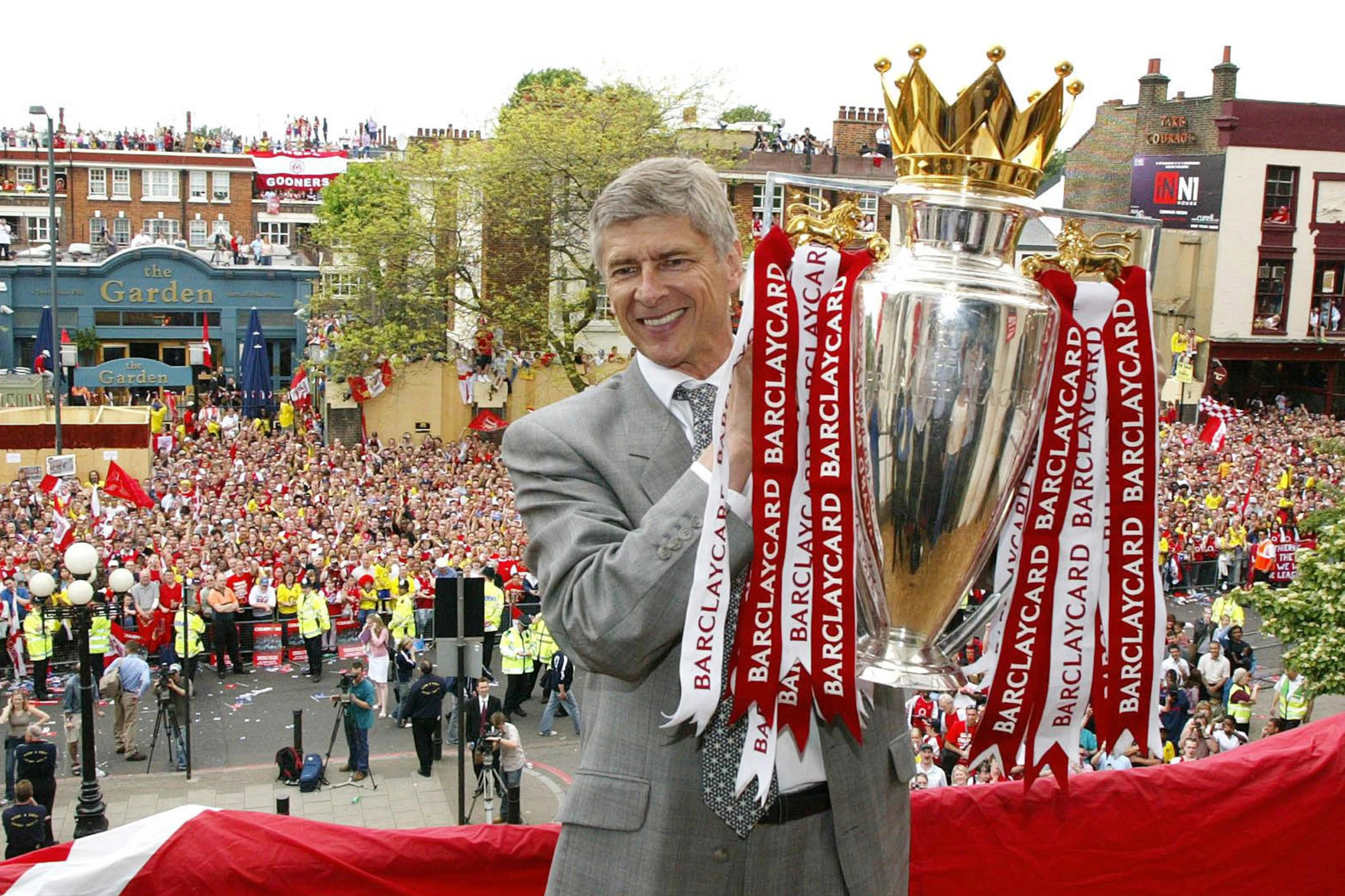
Ferguson vs Wenger. Keane vs Vieira. Van Nistelrooy vs an entire back line. Martin Keown, nose-to-nose, screaming. The Premier League's own archives describe how the media fed off the Ferguson-Wenger feud during the years United and Arsenal traded blows for the title. Add the 1990 brawl, the tunnel confrontations that boiled over into shoving matches, Arsenal's untouchable 49-game unbeaten run, United ending it in 2004 in the most controversial circumstances possible, and one unforgettable 8-2 humiliation — and you have a hatred that shaped an entire generation of United supporters before they'd even hit their twenties.
But here's the thing about Arsenal that makes this rivalry different from every other one on this list — it was never just about results. It was about identity.
Why Arsenal and Barcelona Are Cut From the Same Cloth
This is where the story gets sharper, because Arsenal's connection to this alliance isn't inherited from United. It's their own — and it runs through philosophy, not just history.
Arsène Wenger didn't just want Arsenal to win. He wanted them to win beautifully. Fast, fluid, one-touch football built on movement and intelligence rather than brute force — a footballing religion, not just a tactic. And there was only one other club on the planet playing the game the same way, with the same near-spiritual belief that football should be art before it's a result:
Barcelona.
Tiki-taka. Total control of the ball. Patience with a knife's edge. Wenger's Arsenal and Guardiola's Barcelona weren't rivals they were cousins, separated by a border, both worshipping at the same altar while everyone else around them played route-one, results-first football. Arsenal fans watched Barcelona and saw the version of football they wished the Premier League still allowed them to play. Barcelona fans watched Arsenal and saw kindred spirits the one English club that actually got it.
That's not a borrowed alliance. That's a genuine, philosophical marriage — and it's exactly why, when the lines get drawn, Arsenal and Barcelona don't need convincing to stand together. They were always going to.
Which makes what happened next even more devastating for Arsenal supporters.
Manchester City — The Rivalry That Got Personal, and Then Got Worse
City is United's oldest rival and, for decades, their most one-sided.
For over three decades, United dominated their city rivals almost completely — BBC's own historical records show United finished above City in 31 of 32 seasons between 1980 and 2012. City weren't a threat. They were a punchline told at their own expense.
Then Abu Dhabi money landed in 2008, and the punchline stopped being funny.
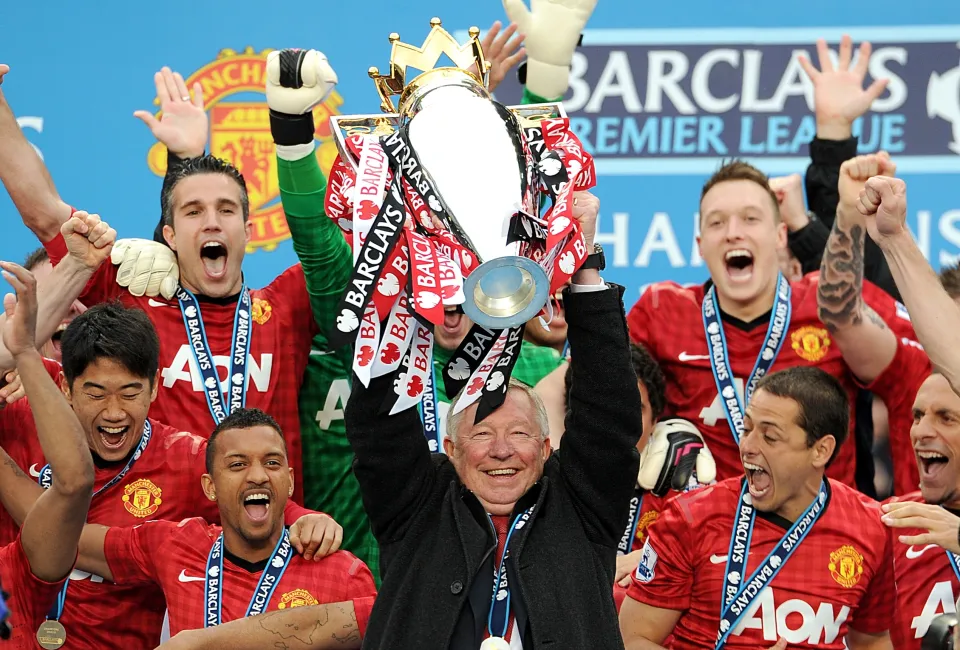
City started buying the best players on the planet. And then came the moment that detonated the psychology of Manchester forever: 93:20. Sergio Agüero's stoppage-time winner against QPR in 2012 ripped the Premier League title away from United in the cruellest way imaginable — after United had already begun celebrating. That moment alone would have been enough to build a rivalry that lasts generations.
But it wasn't the whole story. Because the man who turned City from noisy neighbours into a dynasty had a résumé that made this personal for three different clubs at once.
Pep Guardiola.
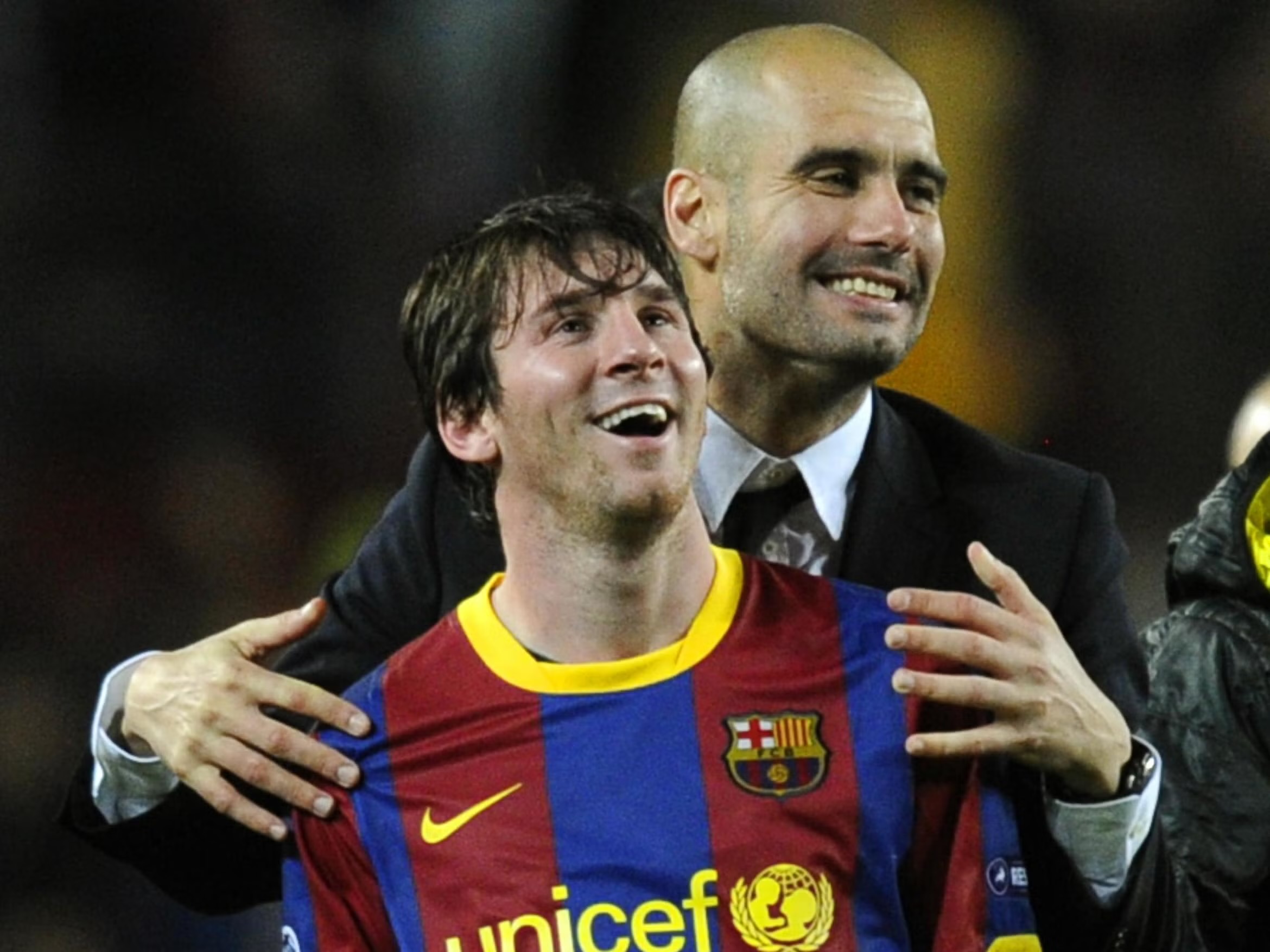
Before he ever set foot in Manchester, Guardiola built the greatest Barcelona side in history — the team that tormented Real Madrid throughout the Clásico wars, and the same footballing philosophy that Arsène Wenger's Arsenal had spent a decade idolizing. Guardiola was Barcelona's football tiki-taka's high priest, Messi's manager, the architect of the very identity that turned Madrid's blood cold and Arsenal's hearts warm.
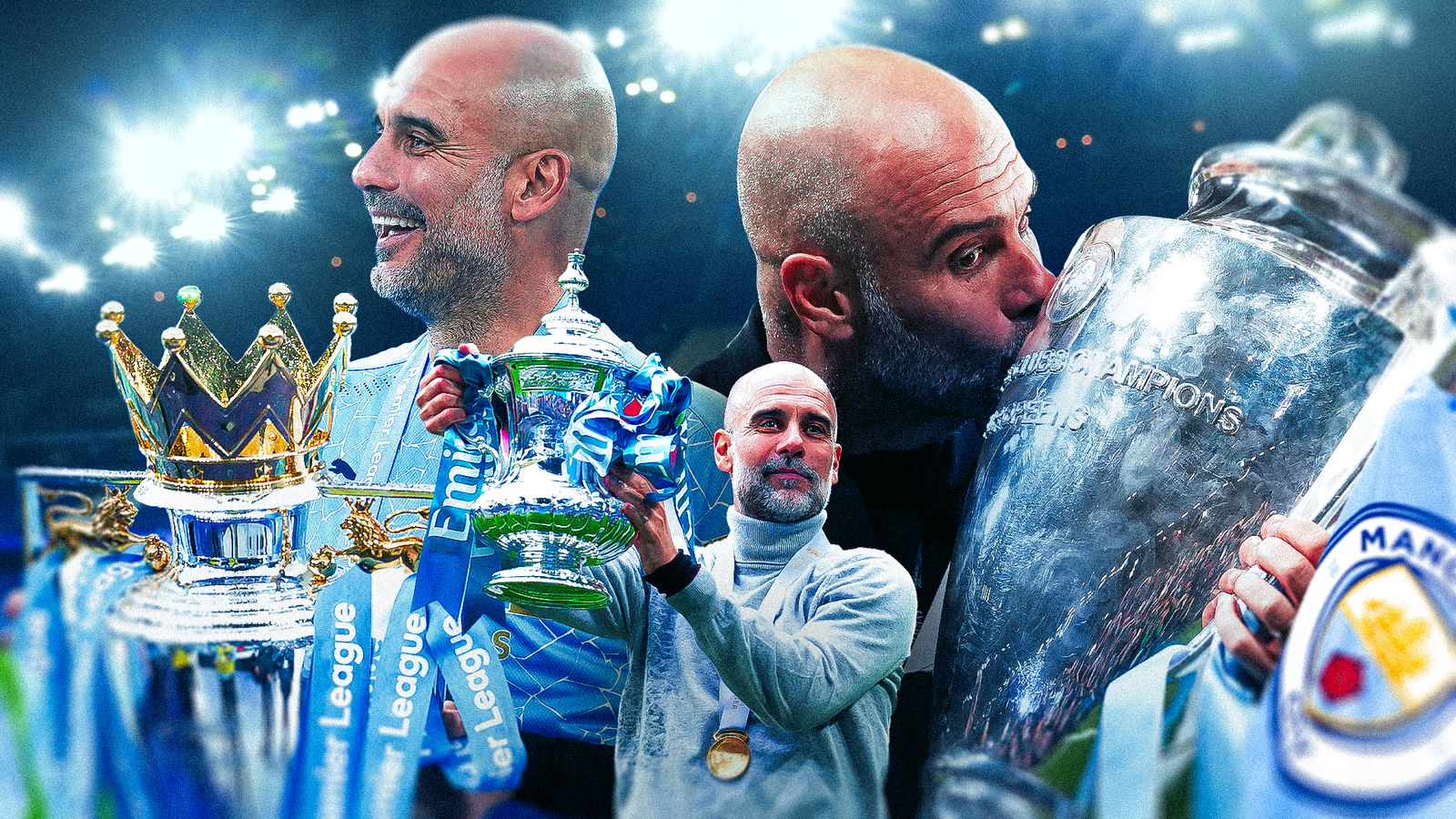
Then he walked into Manchester City and rebuilt the exact same machine the same suffocating possession, the same relentless control and used it to bury Manchester United's Premier League dominance for good. For United fans, City under Guardiola isn't just a noisy neighbor anymore. It's Barcelona's football, playing in sky blue, murdering United on their own doorstep.
And that's precisely why Real Madrid supporters — who spent a decade hating everything Guardiola's Barcelona stood for — never needed convincing to loathe City too. To Madrid, City isn't just United's rival. City is Guardiola's philosophy, Barcelona's ghost, wearing a different badge and doing it all over again on a different continent. The hatred didn't need to be built from scratch. It was inherited, fully formed, the moment Pep put on a City tracksuit.
Three clubs. One manager. One footballing bloodline. And now three separate wars feeding the exact same fire.
Where Madrid Fits Into All of This
So here's the full, blood-soaked picture. Madrid already had Barcelona and, through Guardiola, now had City too. United already had Arsenal, and, through Agüero and Guardiola both, had City twice over. Connecting Madrid and United directly sat Cristiano Ronaldo and underneath everything, one shared obsession: being the biggest, most feared name in the sport, and refusing to accept anyone else taking that throne.
Madrid and United aren't twins, but they speak the same language the language of a giant who expects to win. Massive global fanbases. Identities built entirely around silverware. Legendary European nights. Squads where anything less than the Champions League is treated like a national emergency.
When a Madrid fan praises Ronaldo, United fans don't hear praise for a rival they hear recognition of one of their own. When United fans go to war defending Ronaldo in the eternal GOAT debate, Madrid fans are already standing beside them, fists clenched. The lines don't just blur. They vanish. Ronaldo, Messi, Guardiola, Madrid, Barcelona, Arsenal, City, United one tangled, permanent, global battlefield.
Then Social Media Blew the Doors Off Everything
Here's the final, most dangerous piece of the puzzle.
Before Twitter, rivalries were local and contained. A United fan in Manchester argued with the City or Arsenal fan next door and went home. A Madrid fan argued with the Barcelona fan across town and that was the end of it. Geography was a wall and walls keep things small.
Then the internet tore every wall down.
A United fan in Lagos can now go to war with a Barcelona fan in Madrid before breakfast. A Madrid fan in Buenos Aires can clash with a City fan in Manchester at 3am and neither of them will sleep. And somewhere in that noise, a United fan discovered a Madrid fan who hated Barcelona with the exact same venom — and a shared enemy stopped being a coincidence and became a cause.
You don't need to support the same club anymore. You just need to hate the same thing — and right now, millions of people do.
This is bigger than banter. This is identity. And identity doesn't sit on the fence.
The Birth of "Madrid + United" vs Everyone Else
This is exactly why the meme exists — and why it refuses to die:
Real Madrid 🤝 Manchester United vs. Barcelona 🤝 Arsenal 🤝 Manchester City
Nobody signed a treaty. There's no official pact, no handshake, no press release. It's pure football tribalism, forged from four separate wars that all happen to point in the same direction:
Madrid vs Barcelona a century-old civil war of identity, class and superstars stolen from one another. Blood enemy. United vs Barcelona — two Champions League final executions United will never forget. *Shared executioner. United vs Arsenal a domestic war for the soul of an entire era of English football. United's oldest grudge, fought and won. United vs City, and Madrid vs City, through Guardiola — Barcelona's football philosophy resurrected in sky blue to torment United on English soil, while Madrid watches on, recognizing the enemy they've fought for a decade wearing a new badge. The bloodline enemy. Arsenal + Barcelona — not hatred, but kinship. Two clubs who worship the same footballing god, standing on the opposite side of this alliance not because they're forced to, but because they chose each other long ago.
Repeat a rivalry enough times, across enough fanbases, and it stops being a joke. It becomes an identity. And once it's an identity, you don't get to sit it out.
The Shared Arrogance
Strip away the memes, the hashtags and the shared enemies, and there's something even more dangerous holding one side of this alliance together: arrogance, earned the hard way, and defended without apology.
Madrid fans expect Champions League glory as a birthright anything less is a crisis. United fans grew up under Ferguson believing the Premier League title basically belonged to them by default anything less was a scandal. Both fanbases measure success against the very highest bar the sport has ever set, and that kind of expectation doesn't just breed enemies. It breeds contempt for anyone who dares to challenge it.
A Madrid fan looks at United's history and thinks: they get it — what it means to be feared.
A United fan looks at Madrid's trophy cabinet and thinks: *they get it what winning Europe is actually supposed to look like.
That's the bond. Not friendship. Recognition, forged in the fire of shared superiority.
And on the other side, Arsenal and Barcelona have their own version of that same arrogance — the quiet, superior belief that how you win matters just as much as whether you win at all. Two philosophies. Two religions. Neither one willing to back down.
So Why These Enemies, Exactly?
Barcelona sits at the crossroads of almost everything — Madrid's blood rival, Ronaldo's nemesis, Messi's kingdom, the club that ended United twice in Europe, and, through Guardiola, the spiritual godfather of the City side now tormenting United domestically. For the Ronaldo generation, Barça isn't just a villain. Barça is the villain.
Arsenal belongs entirely to United on the surface — Ferguson vs Wenger, the Invincible, the 8-2, an era of title races fought to exhaustion. But underneath, Arsenal's deepest loyalty was never really about United at all. It was about Barcelona, about football played the "right" way, about a philosophy that made them natural allies with Barça long before social media ever noticed.
Manchester City is the most personal enemy of all for United, it's the same city, the same streets, the same bragging rights, turned upside down by oil money and one specific manager. For Madrid, City is something colder: the resurrection of Guardiola's Barcelona, the philosophy they spent a decade fighting, now dressed in sky blue and doing it all over again. Two different clubs. One shared reason to want City to fail.
The Strangest — and Most Intense — Part of All
Madrid have broken United's hearts in Europe. United have broken Madrid's hearts right back. Their fans have torn each other apart for years over Ronaldo, over transfers, over referees, over who actually understands football.
And yet, the second Barcelona enters the chat:
"Forget all that. We're on the same side tonight — no questions asked."
Mention City:
"Madrid, you know exactly what needs to happen. We're counting on you."
Mention Arsenal:
"United, we've got you. Every time."
That's football tribalism at its most intense and it's exactly why, once you understand the full picture, standing on the sidelines stops being an option. Every neutral eventually gets pulled in. Every fence gets sat on for a while, and then gets jumped.
Rivals Who Became Allies Without Ever Becoming Friends
Real Madrid and Manchester United were never destined to be brothers. They're two powerful neighbours who throw punches at each other occasionally, then look around and realise there are people they despise even more than they despise each other.
Their history is built on competition. Their legends built the bridge. Their ambitions mirror one another. Ronaldo gave it a face. Barcelona gave it a common enemy. Arsenal gave it United's oldest grudge — and Barcelona gave Arsenal a footballing soulmate. Guardiola gave City a new identity, and in doing so, handed both United and Madrid a reason to hate the same club for completely different, and now completely identical, reasons. And social media took every last piece of that history and smashed it into one giant, chaotic, permanent, unavoidable conversation.
So next time you see it —
MADRID 🤝 UNITED BARÇA 🤝 ARSENAL — ❌ MANCHESTER CITY
remember: nobody signed this alliance into existence. No president shook hands on it. No trophy was ever lifted together. It was built the way all the best football stories are built slowly, painfully, and personally through decades of legendary nights, bitter transfers, stolen superstars and one manager whose footballing bloodline runs through half of Europe.
Millions of fans across the world discovered, almost by accident, that they didn't need to love the same club.
They just needed to hate or worship the same things.
And once you see the pattern, you can't unsee it. You already know which side you're on.
Gallery
More from this story
Read next
Stories you should not miss

Breaking
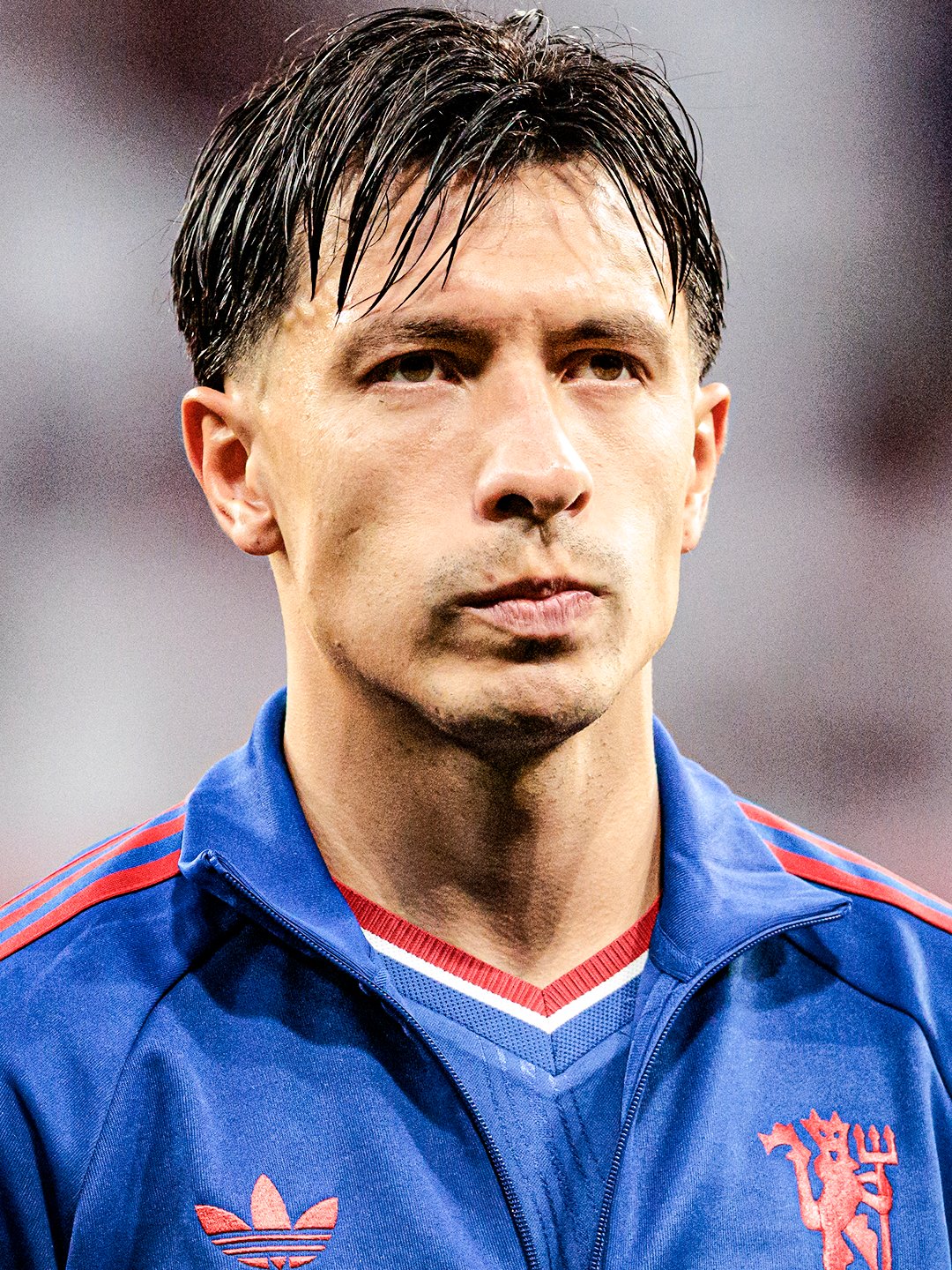
Silenced? Martínez's Apology Smells Like a Club in Damage Control, and INEOS Has Questions to Answer
Breaking
Licha Drops the Mask: Martínez Exposes United's Rotten Core, But the Dressing Room Isn't Innocent
Breaking
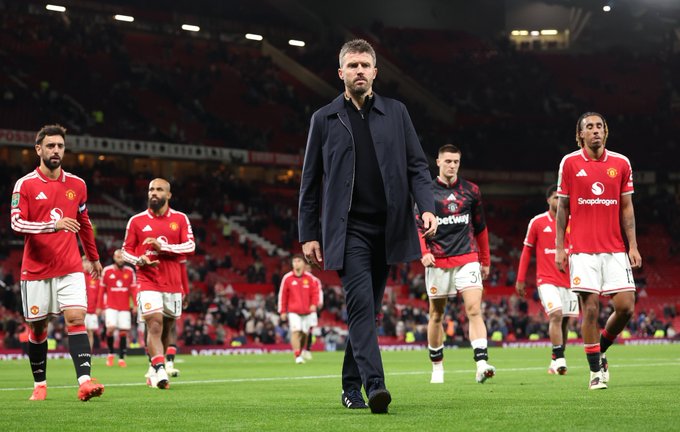
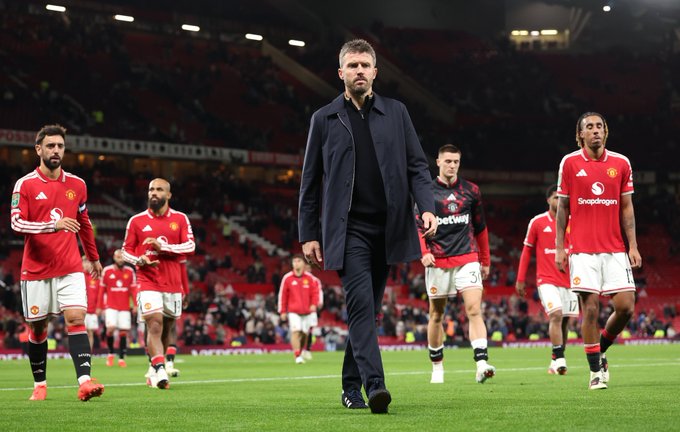
A Man Up, a Goal Ahead, Yet No Victory: Has Michael Carrick Run Out of Answers at Manchester United?
Related stories
More on Manchester United
Published Saturday, 12 September 2026. Published through the Nisty Football newsroom.
Fan reaction
Comments (0)
Leave a comment
No account needed · 0 approved
0/1500 characters · comments are reviewed before publication
More from Nisty Football
Related stories
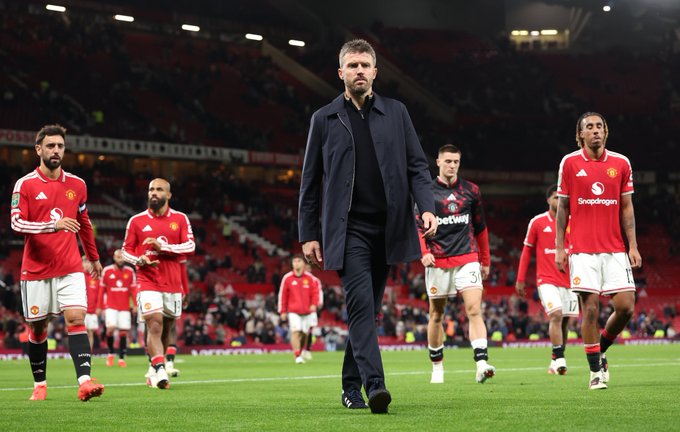
EXCLUSIVE: THE CARRICK FORMULA — WHY MANCHESTER UNITED’S NEXT CHAPTER MAY DEMAND A LITTLE MORE ‘FERGUSON’
There is a difference between managing Manchester United and managing Manchester United successfully.
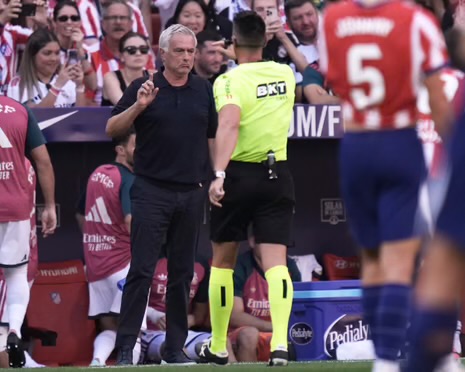
JAVIER TEBAS HAS A REAL MADRID PROBLEM AND IT’S NOT JUST ABOUT REFEREES
Javier Tebas has every right to defend La Liga’s referees and reject what he considers unfounded accusations. But the league president also occupies a position where institutional transparency matters more than winning public arguments.
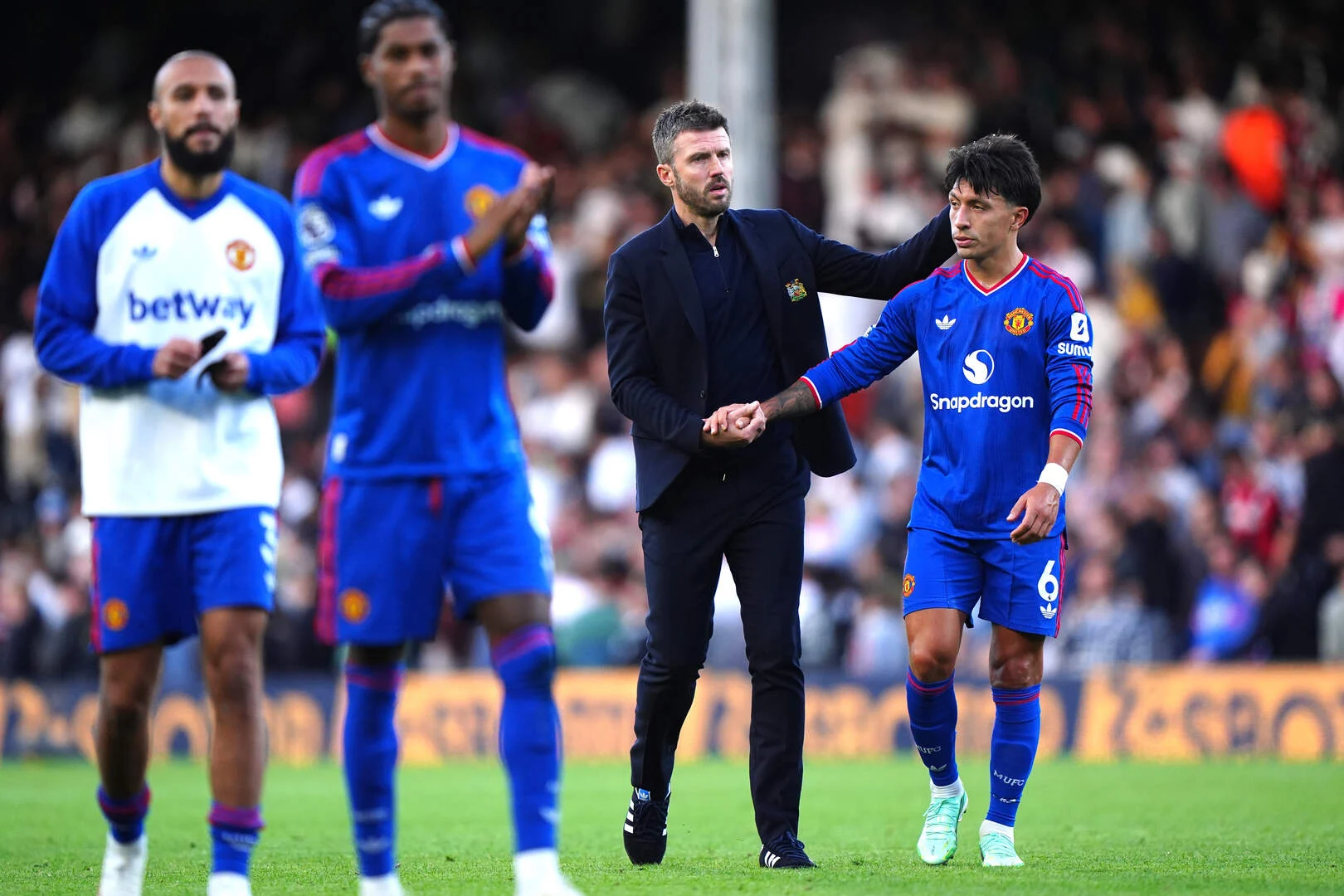
UNITED DON’T RUN. THEY DON’T WIN. SO WHAT EXACTLY IS CARRICK’S PLAN?
Manchester United rank near the bottom of the Premier League for sprints and high-speed running. But is that a deliberate tactical choice or evidence that Carrick’s system is failing to demand enough from his players?
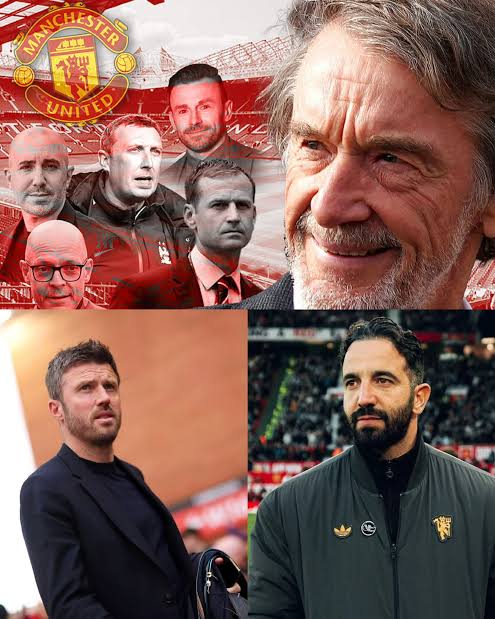
THE INEOS PATTERN: Nine years. Three clubs. One broken method.
INEOS came to Old Trafford promising the end of Manchester United's chaos era but INEOS hasn't ended anyone's chaos. It is the chaos — just with better PR and a bigger budget.