The Weight of Old Trafford: Why Carrick Deserves More Time Than the Noise Suggests
Because right now, twice in a matter of weeks, they've had a hand on the result and let it slip through their fingers. Carrick can set the structure. He cannot run onto the pitch and defend a corner for them.
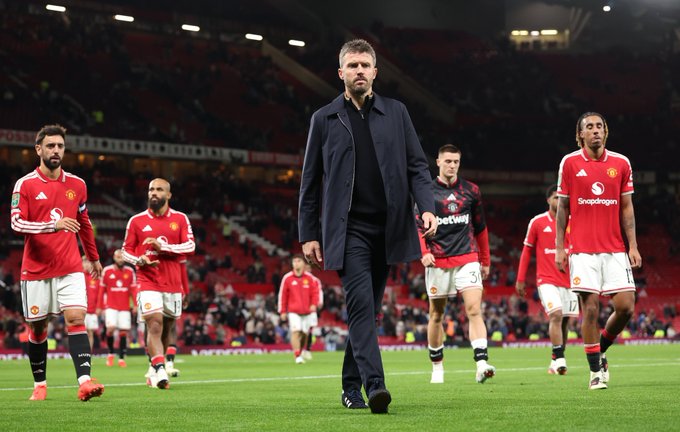
There's a particular kind of silence that falls over Old Trafford when a two-goal cushion turns to dust. Wednesday night, against Brighton, that silence had a name attached to it — and it wasn't the players who conceded three unanswered goals. It was Michael Carrick. Funny, that. Four league games into the new season, United sit on four points, a run bookended by defeat to newly-promoted Hull and a derby loss to City decided by the finest of margins. Throw in a collapse against Brighton in the Carabao Cup — United's first home defeat from two goals up since 1976, by some accounts — and you have the ingredients for a very familiar Manchester United headline: manager under pressure. But strip away the theatre for a second, and ask a more honest question: under pressure from what, exactly? A Manager Doing More With Less Carrick didn't dodge it when asked about his future ahead of Sunday's trip to Fulham. He called the speculation "not on the radar," and there's no reason to doubt him — not because he's naive to the pressure, but because he seems to understand something his critics don't: this rebuild was never going to be linear. Let's not forget where this manager took United barely eight months ago. Twelve wins from seventeen games. A club dragged out of the wreckage of a miserable campaign and back into the Champions League picture through sheer clarity of thought and man-management. That wasn't a mirage. That was evidence. So when Carrick says "we've lost a couple of games recently, but that doesn't mean the world caves in," it isn't spin. It's perspective — the kind that's in short supply among a fanbase, and a football media, conditioned by two decades of crisis-to-crisis coverage to reach for the panic button the moment results dip. Where's the Infrastructure, INEOS? Here's the part of the conversation that gets conveniently skipped. Carrick is being judged on marginal gains — fitness data, sprint distances, tactical "identity" — as though he operates with the same tools as the elite clubs he's being compared to. Sky Sports' numbers on United's low distance-covered and sprint statistics are being framed as a coaching failure. But whose job was it to overhaul the sports science department, the recruitment pipeline, the medical structure that determines whether a squad can even produce those numbers? INEOS arrived at Old Trafford promising a revolution in "football operations." Eighteen months on, the football side of that revolution still looks a lot like patchwork — a squad short on legs, short on depth, and long on inherited problems nobody in the boardroom seems eager to own. It is remarkably convenient that structural shortcomings become "the manager's identity crisis" the moment results wobble, and remarkably quiet when it's asked what, precisely, has been fixed behind the scenes since the takeover. Carrick isn't complaining publicly. That's to his credit. But someone should be asking the question on his behalf. Now, a Word for the Players And yet — accountability has to be a two-way street. Carrick has taken his share of it without flinching: "It's my responsibility and I'm fine with that," he said, refusing to turn this into a search for scapegoats. That's a manager protecting his players. It should not be mistaken for the players being blameless. A two-goal lead does not evaporate at home because of a formation. It evaporates because of concentration, appetite, and a refusal to see a job through — qualities that live in the dressing room, not the technical area. If United's squad wants to talk about identity, they might start by deciding whether they actually want to win football matches when the contest gets uncomfortable. Because right now, twice in a matter of weeks, they've had a hand on the result and let it slip through their fingers. Carrick can set the structure. He cannot run onto the pitch and defend a corner for them. Sunday Changes Nothing — and Everything Fulham away won't settle the debate about Carrick's future, whatever happens at Craven Cottage. One result rarely does. But it will say plenty about whether this group of players has actually heard their manager's message, or whether they're content to let his measured calm absorb the consequences of their own drop in standards. Carrick insists winning is always the answer. He's right. The uncomfortable truth is that it's not solely his to provide.
Read next
Stories you should not miss

Breaking
Silenced? Martínez's Apology Smells Like a Club in Damage Control, and INEOS Has Questions to Answer

Breaking
Licha Drops the Mask: Martínez Exposes United's Rotten Core, But the Dressing Room Isn't Innocent
Breaking
Man City Found Guilty. Two Weeks Later: "94% of Clubs Are Losing Money." Coincidence?
Published Friday, 18 September 2026. Published through the Nisty Football newsroom.
Fan reaction
Comments (0)
Leave a comment
No account needed · 0 approved
0/1500 characters · comments are reviewed before publication
More from Nisty Football
Related stories
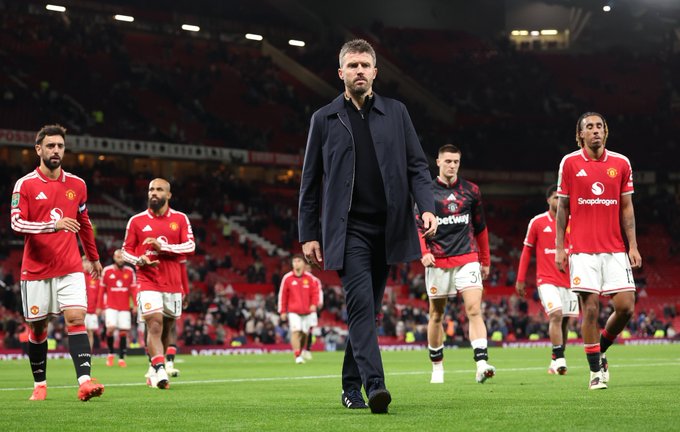
A Man Up, a Goal Ahead, Yet No Victory: Has Michael Carrick Run Out of Answers at Manchester United?
is Carrick struggling to find the answers, or are Manchester United’s problems deeper than their manager?
Are Premier League Rules Only for the Clubs Without Billionaire Owners?
Manchester City’s 115 charges and the prolonged wait for resolution raise serious questions about financial fairness, accountability, and the Premier League’s credibility.
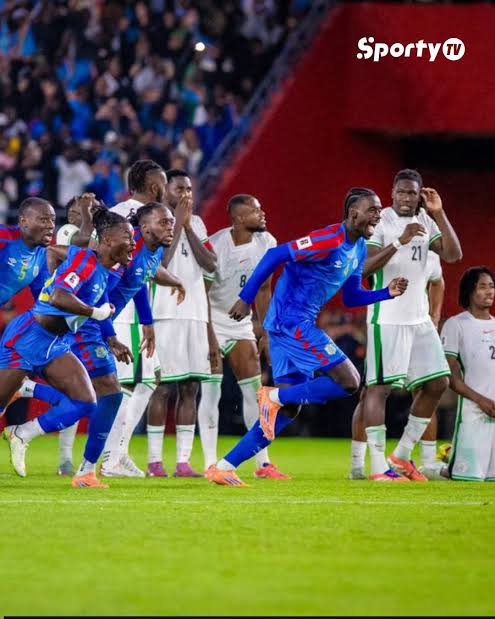
WHAT FIFA KNEW BEFORE NIGERIA LOST TO DR CONGO
The Super Eagles’ defeat to DR Congo was painful enough. The revelations surrounding Lionel Mpasi’s eligibility have turned that heartbreak into a much bigger question about football’s governing system.
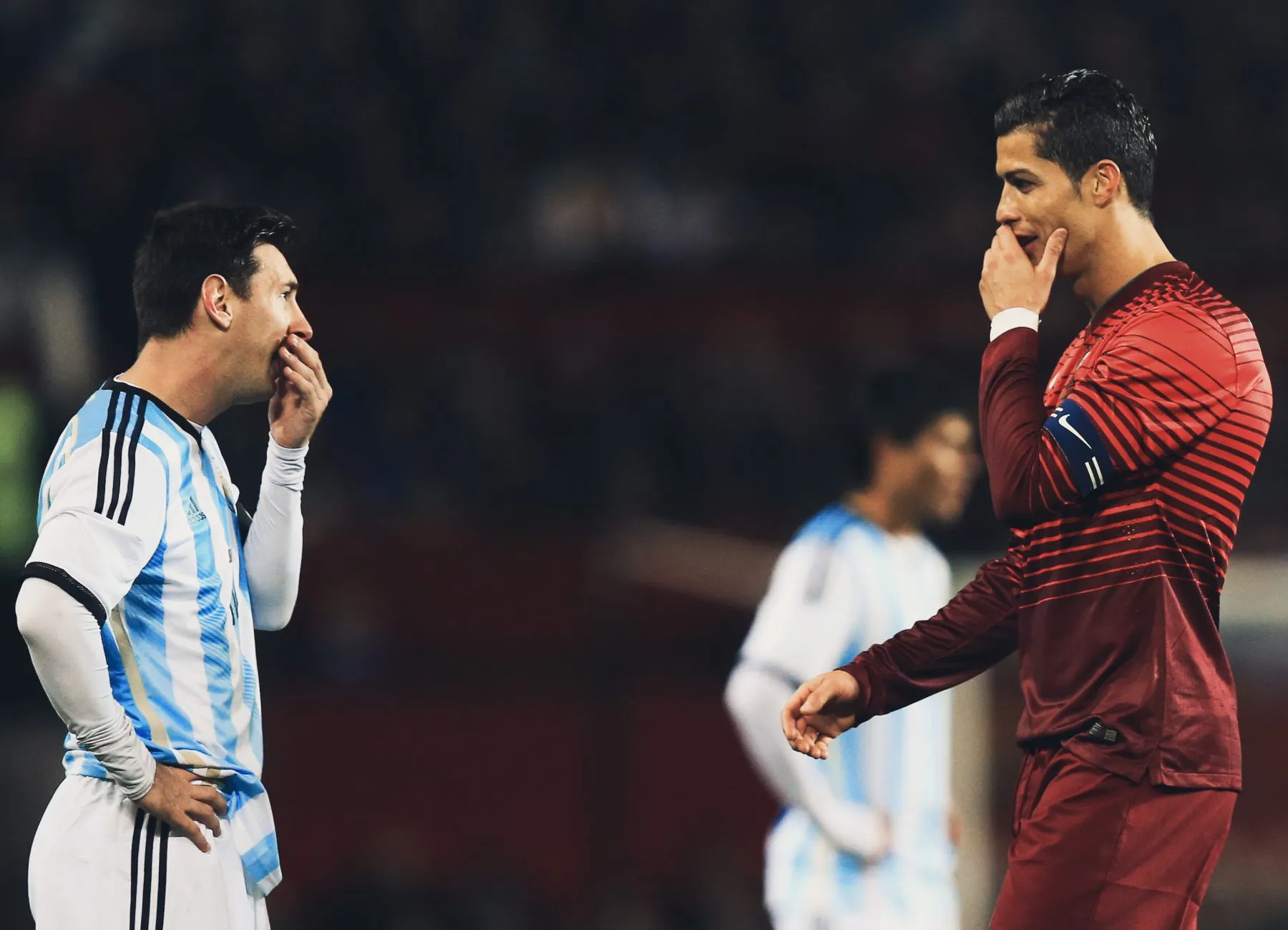
What Messi’s Farewell Tells Us About Ronaldo’s Unfinished Story
And now, as their international careers approach their final chapters, perhaps the most fascinating comparison is no longer about what they achieved. It is about how their stories are ending.”