WHAT FIFA KNEW BEFORE NIGERIA LOST TO DR CONGO
The Super Eagles’ defeat to DR Congo was painful enough. The revelations surrounding Lionel Mpasi’s eligibility have turned that heartbreak into a much bigger question about football’s governing system.
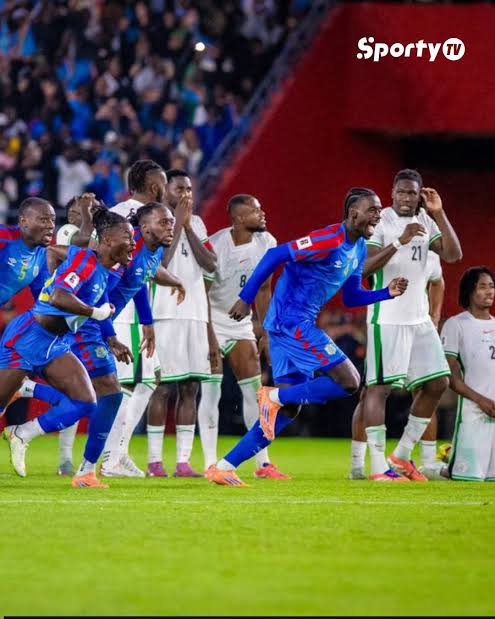
The Super Eagles’ defeat to DR Congo was painful enough. The revelations surrounding Lionel Mpasi’s eligibility have turned that heartbreak into a much bigger question about football’s governing system.
There are defeats in football that hurt for a night.
Then there are defeats that refuse to stay in the past.
For Nigeria, the penalty shootout loss to the Democratic Republic of Congo was supposed to be one of those painful football memories that eventually fades.
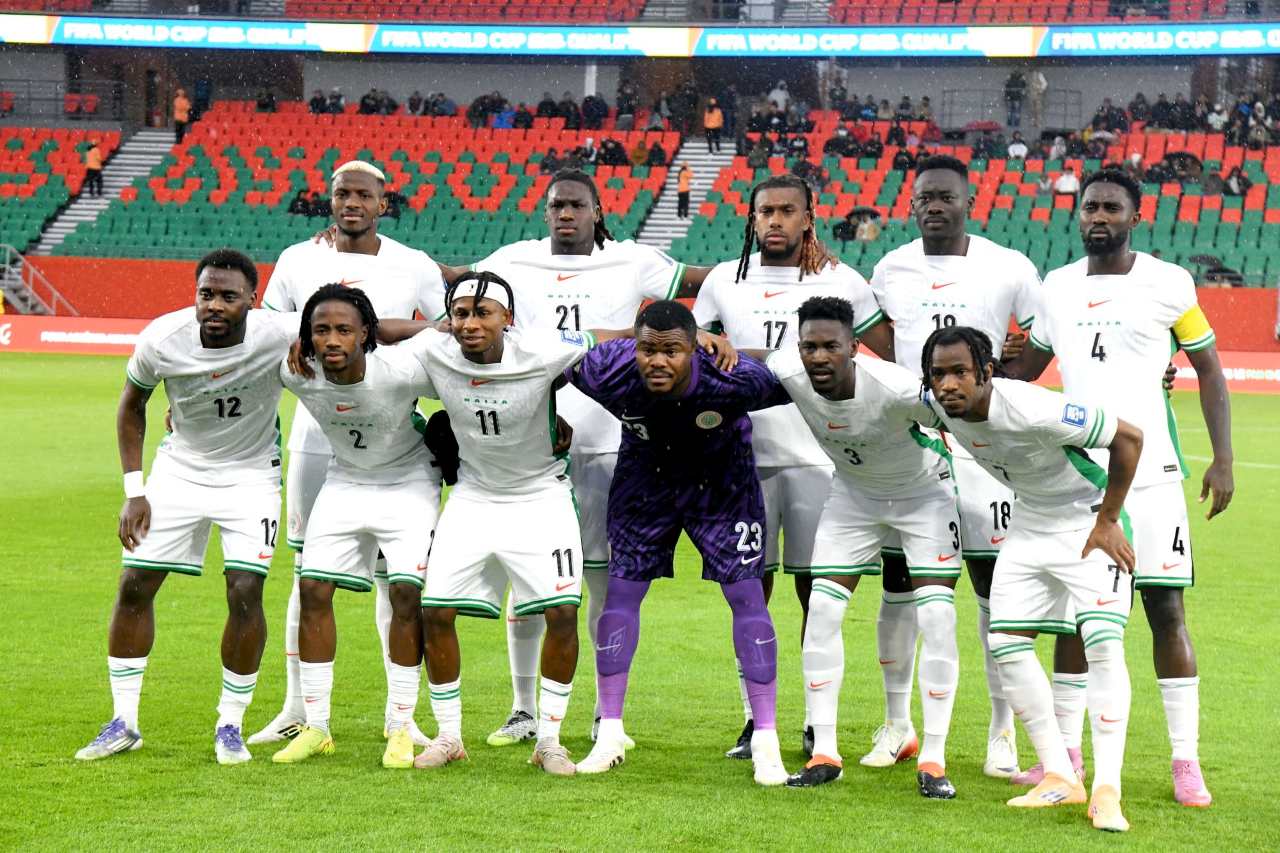
The Super Eagles had drawn 1–1 after extra time in Rabat before losing 4–3 on penalties. Nigeria were out. DR Congo moved on to the intercontinental playoff, beat Jamaica and qualified for the World Cup.
Football, as brutal as it can be, had delivered its verdict.
Or so everyone thought.
Almost a year later, the story has changed.
And suddenly, Nigeria’s World Cup heartbreak is no longer simply about a penalty shootout.
It is about eligibility, procedure, FIFA’s own internal findings and whether the rules of international football were applied consistently when it mattered most.
That is a much bigger story.
⸻
The Name at the Centre of It All
Lionel Mpasi is not a household name in Nigeria.
He should never have become one.
But the DR Congo goalkeeper now sits at the centre of one of the most uncomfortable questions surrounding FIFA’s handling of the 2026 World Cup qualification process.
Mpasi was born in France and represented France at youth level before beginning the process of switching his international allegiance to DR Congo.
According to reports based on documents reviewed by The New York Times and Le Monde, FIFA legal officials subsequently identified problems with the completion of that process. The reports say the issue was known within FIFA before DR Congo’s intercontinental playoff against Jamaica.
That matters enormously.
Because Mpasi did not merely sit on a bench.
He played in the decisive playoff against Nigeria.
He played against Jamaica.
He then played all four of DR Congo’s matches at the World Cup.
And DR Congo reached the knockout stage.
According to the reports, FIFA considered several possible responses, including allowing Nigeria to advance, sanctioning DR Congo, replacing DR Congo with Nigeria in the playoff against Jamaica — or taking no sporting action.
Ultimately, no sporting sanction that altered the qualification pathway was imposed.
That is where this story stops being ordinary football administration.
And starts becoming a question of sporting integrity.
⸻
But FIFA Has a Different Position
This is where responsible journalism matters.
FIFA has not admitted that it allowed an ineligible player to participate in the World Cup.
Quite the opposite.
The governing body has strongly rejected the central allegation, stating that there were no eligibility issues affecting DR Congo’s matches against Jamaica or at the World Cup. FIFA also says Nigeria’s protest was dealt with by its Disciplinary Committee and declared inadmissible.
That cannot simply be ignored.
Nor should NistyFootball turn allegations into established facts.
But FIFA’s denial does not make the questions disappear.
It makes them more important.
Because if FIFA’s public position is that everything was properly handled, then football deserves to understand exactly how.
⸻
Then Comes Nigeria’s Own Problem
There is another uncomfortable layer to this story.
The NFF itself is facing scrutiny.
Fresh reports in Nigeria claim FIFA cited procedural problems with the federation’s protest, including an allegation that the petition was sent to the wrong email address rather than through the appropriate legal channel.
BusinessDay reports that the NFF has not yet publicly explained how its petition was submitted, while FIFA maintains that the Disciplinary Committee independently ruled the protest inadmissible.
If that allegation is accurate, Nigeria has to answer some very difficult questions.
Who prepared the protest?
Who submitted it?
When was it submitted?
Which FIFA regulations governed the deadline?
Was the correct channel used?
And why was a matter potentially capable of determining Nigeria’s World Cup future not handled with absolute procedural precision?
Because there are two separate questions here.
What did FIFA know?
And:
What did Nigeria do with the information it had?
Those questions must not be confused.
⸻
This Is Bigger Than Nigeria
That is perhaps the most important point.
It would be easy to reduce this story to Nigerian anger.
It isn’t.
If a player is genuinely ineligible, football has rules governing what should happen.
And those rules cannot become flexible depending on which country benefits.
FIFA itself has recently published updated guidance on player eligibility and changes of association, emphasising the documentation and procedures required when players switch national associations.
So the question is not whether Nigeria deserved sympathy.
The question is whether the same standard was applied consistently.
Football has punished national teams for fielding ineligible players before.
That history makes the current controversy particularly uncomfortable.
⸻
And What About the World Cup?
This is where the pain becomes almost impossible to quantify.
Nigeria did not merely miss another friendly tournament.
The Super Eagles missed the 2026 World Cup.
Again.
Players missed the biggest stage in international football.
The NFF lost the opportunity to participate.
Sponsors lost exposure.
Nigerian supporters lost an experience that cannot be recreated.
And the economic consequences extend beyond football.
A National Sports Commission official has indicated that Nigeria could consider seeking compensation from FIFA, citing potential losses involving World Cup revenue, sponsorship, player exposure and wider economic benefits.
But compensation is not the first question.
Accountability is.
⸻
Nigeria Needs Answers. FIFA Needs Transparency.
There is a temptation in moments like this to scream that Nigeria was robbed.
Maybe that will ultimately be the conclusion.
Maybe it won’t.
Right now, there is a more important demand:
Show us the documents. Explain the decision. Explain the rules. Explain why the case was handled the way it was.
If FIFA’s committees acted correctly, the governing body should have nothing to fear from greater transparency.
If Nigeria’s protest was procedurally defective, the NFF must own that failure.
And if the evidence eventually demonstrates that an ineligible player participated in matches that materially affected Nigeria’s qualification prospects, then football must confront the consequences.
Not because Nigeria deserves special treatment.
But because the rules deserve consistent treatment.
That is the principle at stake.
Nigeria may never get its World Cup place back.
The Super Eagles may never get another chance to replay that penalty shootout.
But Nigerian football deserves to know whether the door to the World Cup was closed by what happened on the pitch — or by decisions made away from it.
And perhaps that is the most uncomfortable question of all:
If football’s rules are designed to protect the integrity of the game, what happens when the biggest questions about those rules come from the organisation responsible for enforcing them?
That is the question FIFA now has to answer.
And Nigeria should keep asking it.
Gallery
More from this story
Read next
Stories you should not miss
Published Thursday, 8 October 2026. Published through the Nisty Football newsroom.
Fan reaction
Comments (0)
Leave a comment
No account needed · 0 approved
0/1500 characters · comments are reviewed before publication
More from Nisty Football
Related stories
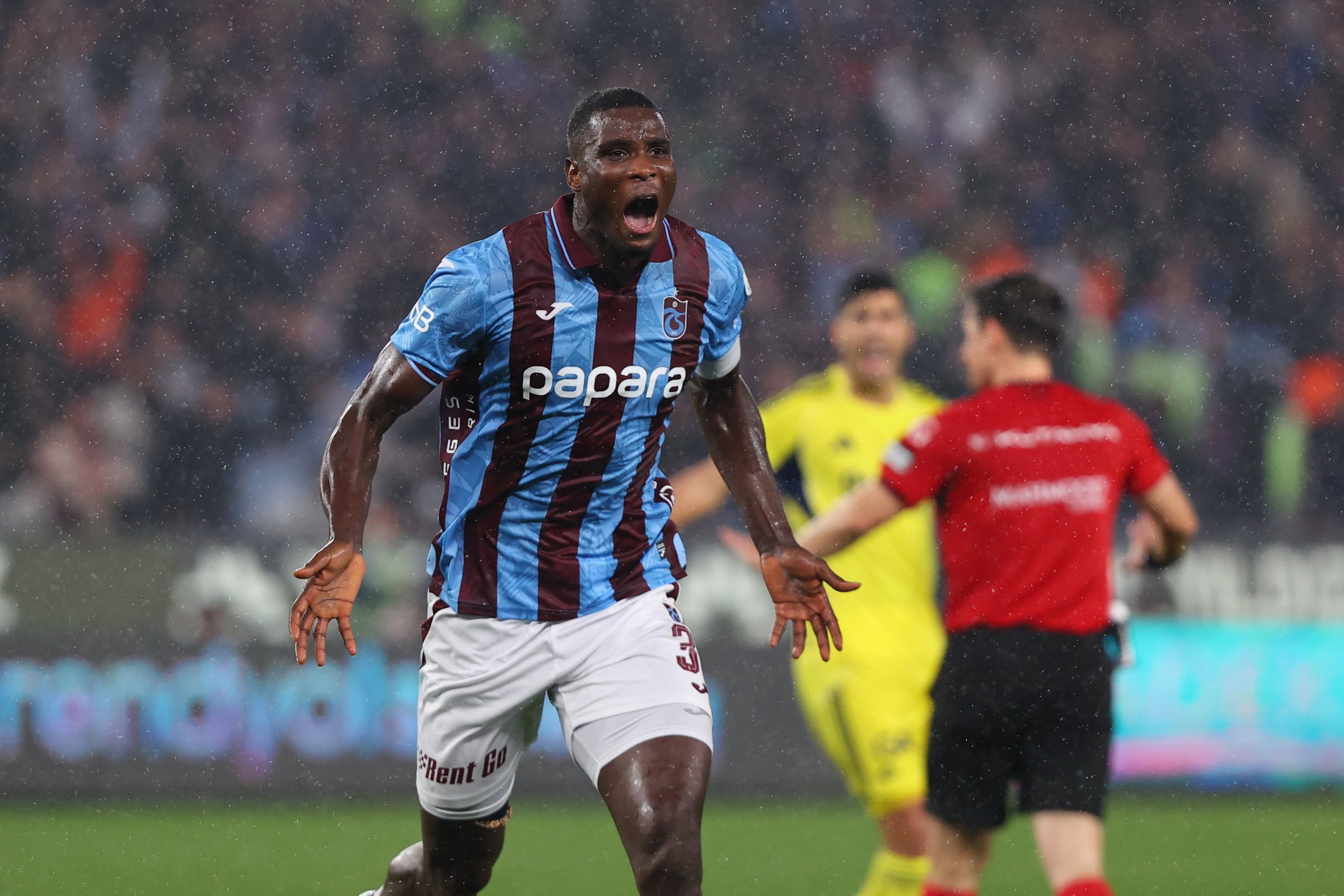
Trabzonspor Allay Paul Onuachu Injury Fears After Brace in Gençlerbirliği Rout
Trabzonspor interim boss Hüseyin Çimşir has played down injury fears surrounding Paul Onuachu after the striker netted twice against Gençlerbirliği.

Silenced? Martínez's Apology Smells Like a Club in Damage Control, and INEOS Has Questions to Answer
Players do not walk back the most honest interview of their season by accident. The club got to him.
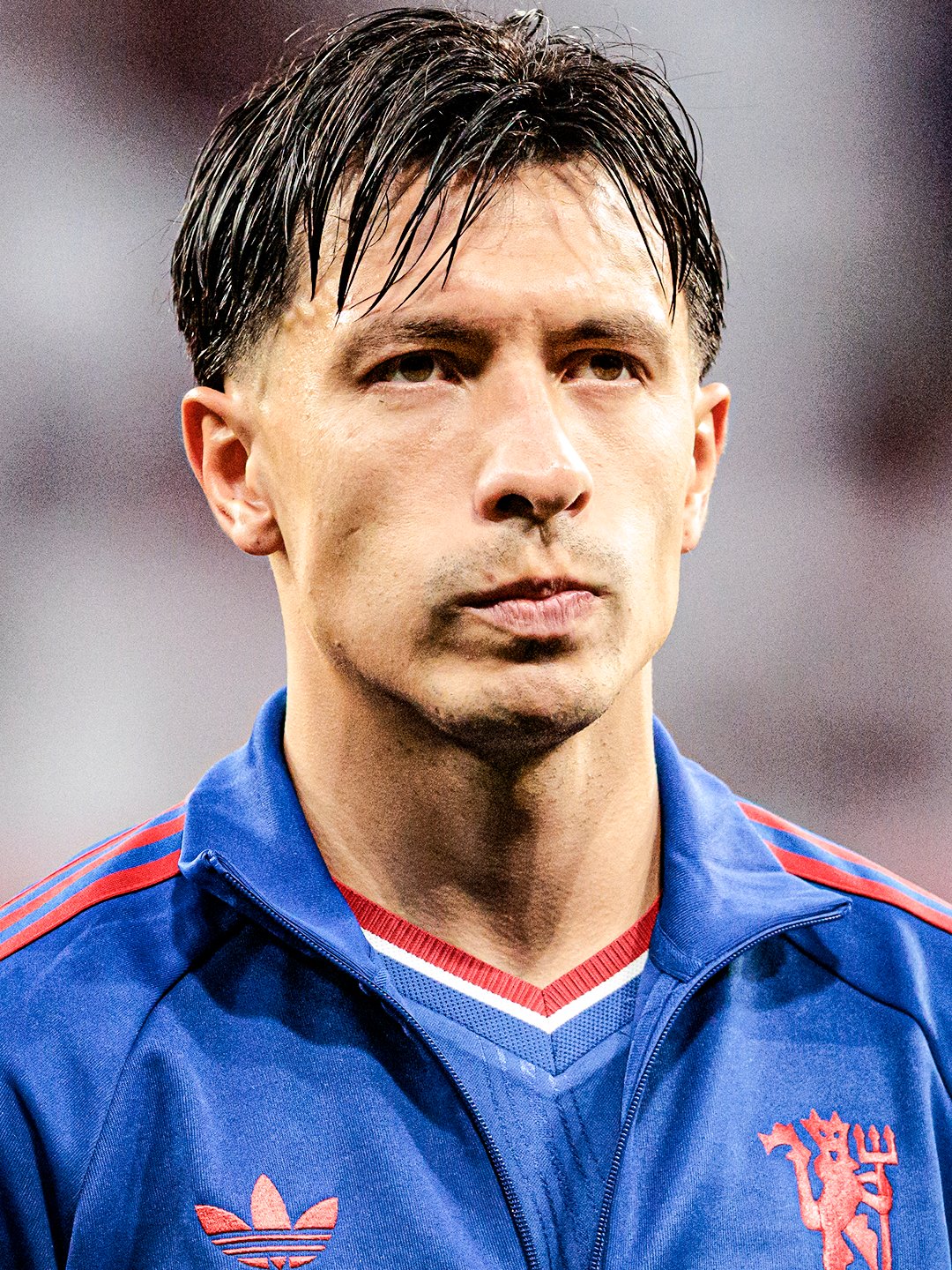
Licha Drops the Mask: Martínez Exposes United's Rotten Core, But the Dressing Room Isn't Innocent
"You keep changing managers but what about other areas?" That is not a throwaway remark. It is a defender looking past the touchline and pointing at the people upstairs.
Man City Found Guilty. Two Weeks Later: "94% of Clubs Are Losing Money." Coincidence?
Ask yourself who gains from the headline "the whole game is broken." It isn't Burnley or Wrexham. It's the club that needs the public to see its guilty verdict as one more symptom of a rotten system.