The Pressing Trap: Are Elite Teams Making Their Defenders More Vulnerable by Pushing Them Higher?
One mistimed step or poorly coordinated press can transform territorial dominance into a clear goalscoring opportunity for the opposition
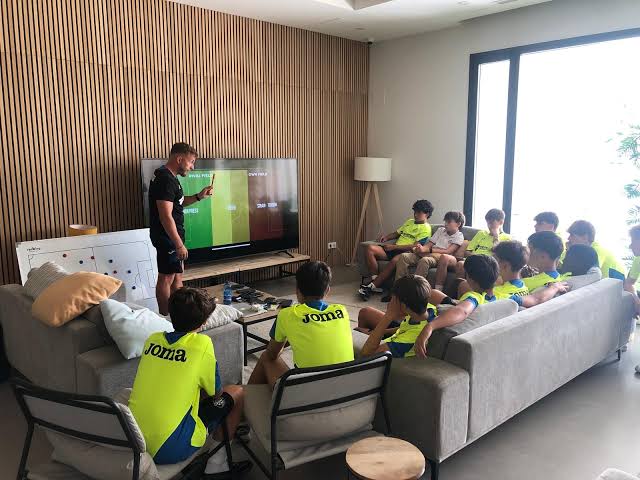
The Pressing Trap: Are Elite Teams Making Their Defenders More Vulnerable by Pushing Them Higher?
By Adegoke Fathia | Tactical Analysis
The high defensive line has become a defining feature of modern football, helping elite teams dominate territory, compress space and win possession higher up the pitch. But when the press breaks down, the space behind the defence can become an invitation for opponents to attack. So, are the rewards worth the risks? Why Managers Push Their Defences Forward Across elite football, managers increasingly push their defensive lines towards the halfway line, compressing the pitch to restrict opponents' space and support an immediate recovery of possession after losing the ball. The approach is demanding but can be highly effective when executed correctly. As defenders advance, however , they leave more space behind them. One mistimed step or poorly coordinated press can transform territorial dominance into a clear goalscoring opportunity for the opposition.
THE EVOLUTION OF FOOTBALL: HAVE TACTICS MADE THE BEAUTIFUL GAME LESS BEAUTIFUL?
The question, therefore, is not whether a high defensive line carries risks. It is whether its tactical rewards justify those risks and whether a team can consistently execute the coordinated movements required to make it work. Modern football has turned the space between a team's defensive line and its goalkeeper into a tactical battleground. A high defensive line is not simply an expression of attacking ambition. It is a mechanism for controlling space. When defenders advance behind a pressing forward line, they reduce the distance between defence, midfield and attack. Opponents have fewer opportunities to receive the ball between the lines, while the defending team can crowd the areas where possession is contested. When possession is lost, the team does not necessarily need to retreat immediately. Players positioned close to the ball can press the opponent, close passing lanes and attempt to recover possession before the opposition launches a counterattack. This relationship between defensive positioning and counter-pressing is central to modern positional football. A compact team can sustain attacks, position more players around the opposition's penalty area and make it harder for opponents to escape their own defensive third. A high line can also support an effective offside trap, provided defenders move together and correctly judge the timing of opposition passes. But there is a condition: the entire team must operate as a connected unit. If the forwards press without restricting passing options, or the midfield fails to close down the ball carrier, defenders can be left protecting enormous spaces without sufficient pressure on the player attempting the forward pass. At that point, the system's greatest strength can become its most obvious weakness. How Opponents Turn Space into a Weapon The most obvious way to attack a high defensive line is to play behind it. However, successful opponents do more than launch hopeful long balls. They combine intelligent movement, accurate passing and carefully timed runs to exploit the space before defenders can recover. Timing A striker who runs too early risks being caught offside, while one who moves too late gives defenders time to recover. Elite attackers look to time their movements with the passer's preparation and release of the ball, accelerating into space at the right moment. The difference between an ordinary run and a dangerous one can be a fraction of a second. Manipulating the defensive line Strikers can move towards the ball to draw centre-backs out of position before turning and attacking the space behind them. Other attackers exploit the channels between full-backs and centre-backs, where uncertainty over responsibility can create an opening. Midfielders can also make late forward runs from deeper positions, particularly when defenders are occupied tracking the movements of the forwards ahead of them. Speed of execution A high line becomes significantly more vulnerable when opponents bypass the first press with one accurate pass. If the ball carrier has time to lift their head, assess the available options and deliver the pass, an attacker can exploit the space before the defensive line reorganises. The challenge is not simply identifying empty space. Opponents must exploit it with the right pass, movement and timing. Equally, defenders cannot assume that an offside trap or a goalkeeper's intervention will rescue them indefinitely. Both depend on anticipation, positioning and execution. The Difference Between Control and Chaos The success of a high defensive line depends on four interconnected factors: pressing coordination, goalkeeper positioning, defensive recovery and communication. Pressing coordination This is the first line of protection. The forward pressing the ball must restrict the opponent's ability to play an accurate forward pass, while midfielders close central options and defenders advance in response. If these actions happen at different times, the team becomes stretched. A single pass can eliminate several pressing players and expose the defence behind them. Goalkeeper positioning The goalkeeper determines how much space a team can safely leave behind its defensive line. A goalkeeper who reads through-balls early and starts from an appropriate advanced position can act as a sweeper, intercepting passes before attackers reach them. However, aggressive positioning requires sound judgement. A mistimed advance can leave the goal exposed. Recovery speed Recovery speed is equally important, although raw pace alone is insufficient. Defenders must recognise danger early, turn efficiently and recover their positions without opening additional passing lanes. Anticipation and decision-making can be just as important as acceleration when an opponent breaks through the press. Communication Communication keeps the defensive line coordinated. Centre-backs must manage their distances, identify runners and agree when to step forward or drop back. The goalkeeper must also communicate with the defenders and recognise when to sweep behind them. A high line supported by an organised press is fundamentally different from defenders standing near halfway while the opposition has time and space to pick a pass. The distinction is not simply how high a team defends. It is how effectively every player supports that decision. Should Managers Abandon the High Defensive Line? There is a compelling argument against treating the high defensive line as an outdated or fundamentally flawed strategy. Dropping deeper may reduce the space behind the defenders, but it creates different problems. Opponents gain territory, midfielders may have greater distances to cover, and the defending team can become trapped near its own penalty area. A deeper defensive block can also make it harder to sustain pressure and win the ball back quickly. This is why tactical flexibility matters. A high line may be appropriate when a team presses cohesively, controls the ball and faces opponents who struggle to play through pressure. Against opponents with the passing quality, pace and movement to exploit space behind the defence, a more cautious approach may be necessary. Managers must also consider the match situation, the fatigue of their players and the quality of the opposition's forward runners. The ability to switch between a high line and a deeper defensive block is a tactical advantage in its own right. The best approach is not necessarily to defend as high as possible, but to choose the defensive height that best serves the team's circumstances. Is the High Defensive Line Still Effective in Modern Football? The high defensive line remains a valuable tactical strategy, but its effectiveness depends on execution rather than positioning alone. A system should not be judged solely by whether opponents occasionally get behind the defence. The more important questions are whether it consistently creates advantages, how effectively it limits the resulting risks and how intelligently the manager responds when circumstances change. Elite opponents will continue searching for ways to exploit high lines. Precise passing, well-timed striker runs and rapid transitions will punish teams that allow the opposition time to deliver accurate balls into space. But these threats do not eliminate the benefits of territorial dominance and counter-pressing. Instead, they raise the standard required to execute the system successfully. The future of the high line is unlikely to be determined by whether elite managers abandon it altogether. It will depend on whether they can deploy it more intelligently, prepare for opponents who target its weaknesses and recognise when a different approach is needed. In elite football, pushing defenders higher is not inherently reckless. Doing so without the coordination, personnel and adaptability to support it is.
Read next
Stories you should not miss



Published Monday, 19 October 2026. Published through the Nisty Football newsroom.
Fan reaction
Comments (0)
Leave a comment
No account needed · 0 approved
0/1500 characters · comments are reviewed before publication
More from Nisty Football
Related stories
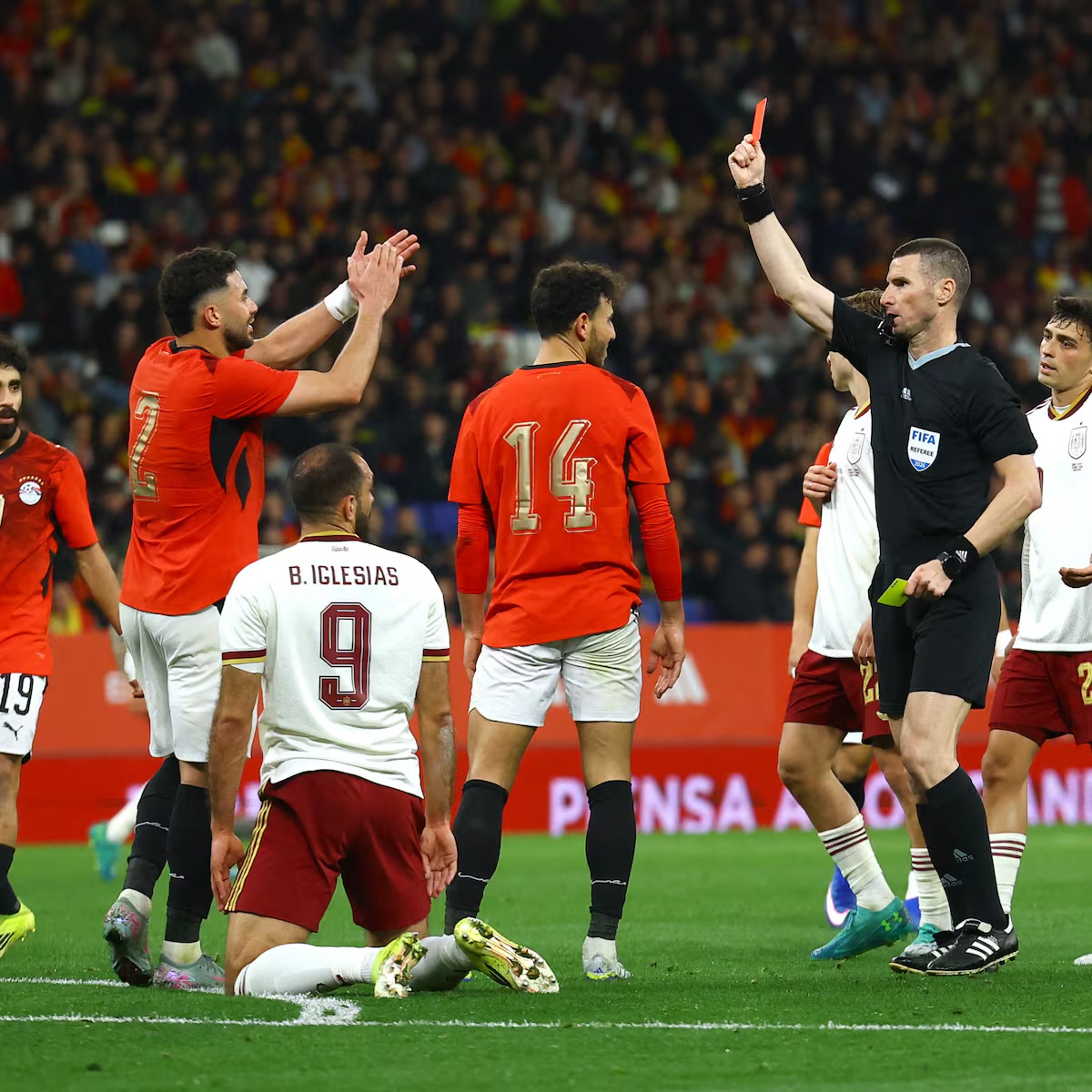
FIFA vs Spain: Are Football’s Anti-Racism Punishments Enough?
The Spanish Football Federation (RFEF) has confirmed that it will take its case to the Court of Arbitration for Sport (CAS) after FIFA rejected its appeal against sanctions imposed over Islamophobic chants during Spain’s friendly against Egypt in Barcelona on 31 March 2026.
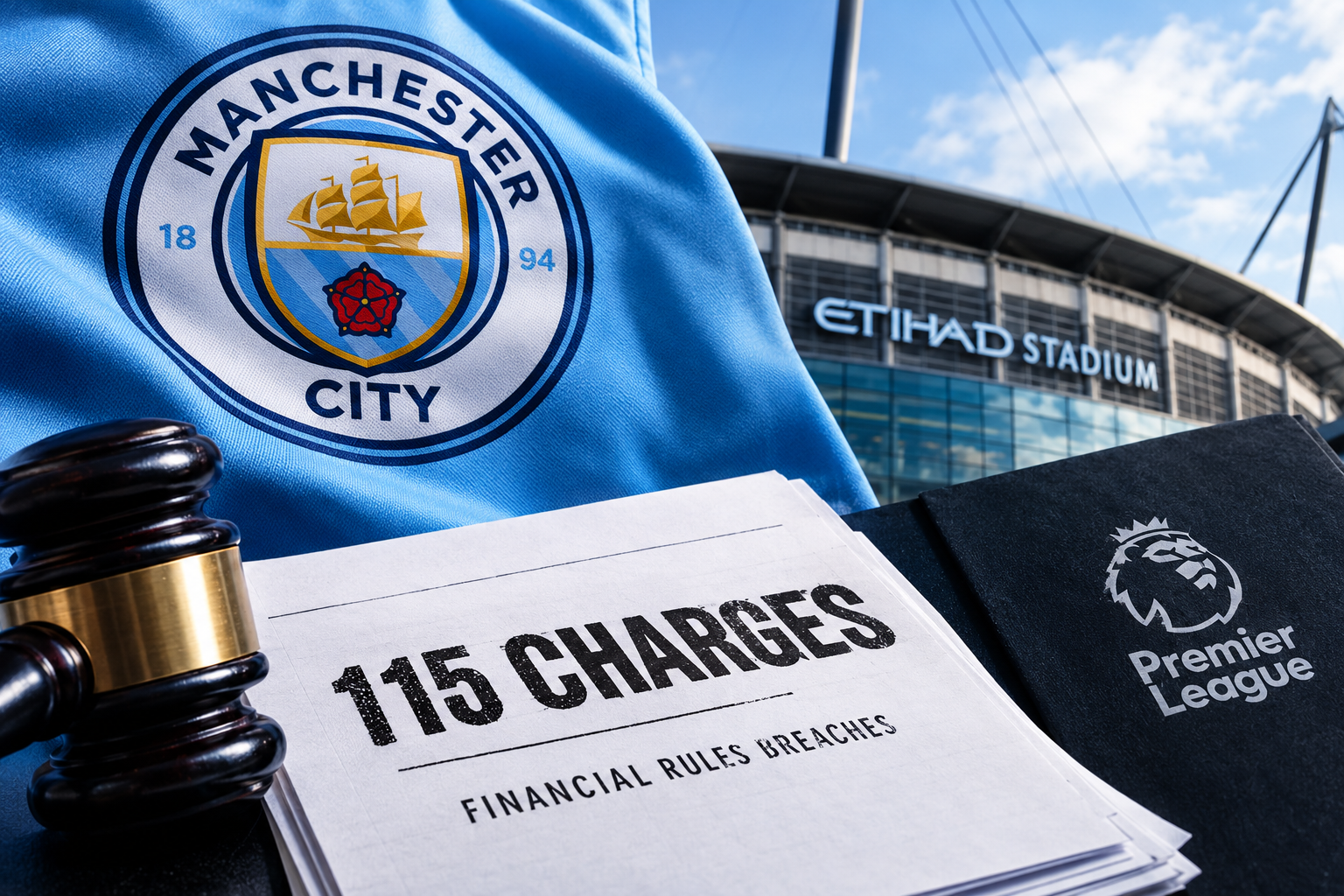
Manchester city's 115-charge saga: what punishment would truly fit the crime?
If Manchester City’s financial-rule breaches are upheld on appeal, what punishment would truly fit the case?

WHO CAN STOP PSG?
PSG are not merely participating in Europe’s elite competition anymore. They are beginning to look like they belong at the very top of it.

THE EVOLUTION OF FOOTBALL: HAVE TACTICS MADE THE BEAUTIFUL GAME LESS BEAUTIFUL?
Has football become too intelligent for its own good?