PAU CUBARSI: THE BOY THE WORLD COULDN’T CHANGE
There are footballers who have let fame make them believe they are great. And then there are footballers who are actually great, but still shy away from the fame. Pau Cubarsí belongs to the second group.
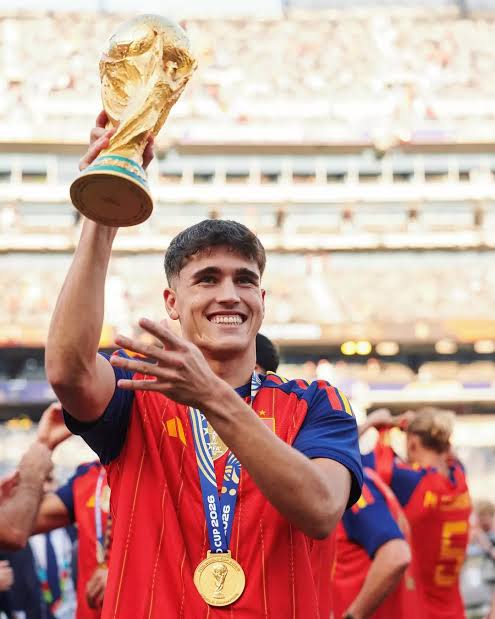
THE BOY THE WORLD COULDN’T CHANGE
At 19, Pau Cubarsí has already conquered the biggest stage in football. But away from the stadiums, the Barcelona defender still cooks omelettes, studies three times a week, visits his parents’ carpentry workshop and shares a home with his older sister. This is the story of the boy behind the world champion.
There are footballers who have let fame make them believe they are great.
And then there are footballers who are actually great, but still shy away from the fame.
Pau Cubarsí belongs to the second group.
At 19, he has already reached a place most footballers spend their entire careers dreaming about.
He is a World Cup winner with Spain, a Barcelona first-team defender and one of the defining young defenders of his generation.
And yet, strip away the Barcelona shirt, the packed stadiums, the cameras and the World Cup medal, and you find something remarkably ordinary.
A boy from Estanyol.
A tiny Catalan village of fewer than 200 people.
A family.
A carpentry workshop.
And a childhood that taught him that football might take him around the world, but it should never take him away from who he is.
Before Barcelona, There Was Estanyol
Estanyol is tiny.
Fewer than 200 people.
There is no grand football stadium. In fact, there wasn’t even a proper football pitch in the village where Cubarsí grew up.
His family’s roots are in a carpentry business established by his great-grandfather in 1905. His father, Robert, works in that family business, while his mother, Gloria, played an important role in keeping Pau grounded as his football journey accelerated.
During his childhood, football was important.
But it was never everything.
As a child, Pau spent summers around his father’s workshop, surrounded by wood, tools and the rhythm of ordinary working life.
It was ordinary life.
And perhaps that is precisely what made it so important.
His parents worked hard and made sure football never became an excuse for him to lose perspective.
Because while many young players are introduced to football as a pathway to fame, Cubarsí was introduced to it as a game.
And his family made sure he understood the difference.
Then the money came.
And what did Pau do?
He didn’t rush out to buy himself a flashy supercar.
He bought a new car for his parents.
And what did he keep for himself?
Their old one.
He took the car his parents had been driving and gave them the new one.
It is a small detail in a life that has already become extraordinary.
But sometimes, the smallest details tell the biggest stories.
That decision says more about Cubarsí than any expensive possession ever could.
La Masia Shaped The Footballer — His Family Shaped The Person
Barcelona’s La Masia gave Pau something his village could not: an environment designed to turn an exceptional young footballer into a professional.
But it did more than teach him football.
It taught him values.
For years, La Masia was not simply where Cubarsí trained.
It was where he lived.
He joined the academy in 2018 and progressed rapidly through Barcelona’s system before making his senior debut as a teenager.
Along the way, he grew up alongside other young players, shared meals, built friendships and learned how to navigate life away from home.
His football developed.
His confidence grew.
His world became bigger.
But the person underneath it remained the same.
That foundation had already been laid at home.
Those who knew Cubarsí during his development have repeatedly described him as humble, calm and grounded. And perhaps that explains something unusual about him.
He does not seem desperate to become a star.
He simply seems determined to become better.
Only recently did Cubarsí move out of the La Masia residence where he had spent years growing up.
Now, he lives in Barcelona with his older sister, Irene.
It is independence — but not an escape from family.
His parents still travel from Estanyol to see them.
And inside their home, there is little trace of the superstar lifestyle people might imagine.
He cooks.
He washes dishes.
He does ordinary things.
Because even after everything football has given him, home remains home.
The World Champion Who Still Studies
Then there is something else that makes Cubarsí’s story different.
He is still studying.
While football demands training, matches, travel, recovery and media commitments, Cubarsí still dedicates three afternoons a week to his Business Administration and Management studies.
Three afternoons.
At an age when many youngsters could easily become consumed by the attention, the money and the glamour surrounding professional football, Cubarsí is still sitting down to study.
And he is doing it while playing at the highest level of the sport.
His reason is simple.
He wants to prepare himself for life beyond football.
Because Pau understands something many young stars learn too late:
Football is what he does. It is not all that he is.
The Same Hair. The Same Friends. The Same Pau.
Perhaps the most beautiful detail is how little he has changed.
Cubarsí still keeps the same circle of friends he grew up with.
The boys who knew him before Barcelona.
Before Spain.
Before the World Cup.
Before the fame.
They still hang out.
Still do ordinary things.
And, almost hilariously, they even keep similar hairstyles.
The hairstyle that belonged to the boy from Estanyol is still part of the young man the world now recognises.
There is something powerful about that.
Because he could easily surround himself entirely with footballers, celebrities and people who want something from him.
Instead, he keeps returning to the people who knew him before he became Cubarsí.
They knew Pau before the cameras did.
Before the headlines.
Before the trophies.
And perhaps that is exactly why they can still treat him like Pau.
Football Gave Him The World. His Family Made Sure He Never Lost Himself.
La Masia taught Pau Cubarsí how to become a footballer.
His parents taught him how to become a man.
His sister gives him a piece of home.
His friends remind him who he was.
And Estanyol reminds him where it all began.
The world has changed around him.
His life has changed.
The stadiums have become bigger.
The opponents have become greater.
The expectations have become enormous.
But the boy from Estanyol remains.
He still studies.
Still cooks.
Still spends time with the same friends.
Still visits his parents’ workshop.
Still lives close to his family.
Still carries the same humility that existed long before the world knew his name.
At 19, Cubarsí has already lifted the biggest trophy in football.
He has played on the biggest stages.
He has become a world champion.
But perhaps the greatest thing about Pau Cubarsí is not what he has won.
It is what he has not lost.
His humility.
His family.
His home.
His friends.
His sense of who he is.
And, most importantly, himself.
The world gave him fame.
His family gave him perspective.
La Masia gave him football.
His friends gave him normality.
And Estanyol gave him somewhere to always return to.
But somehow, through all of it,
he never stopped being the boy from Estanyol.
Gallery
More from this story

Read next
Stories you should not miss

Breaking
Silenced? Martínez's Apology Smells Like a Club in Damage Control, and INEOS Has Questions to Answer
Breaking
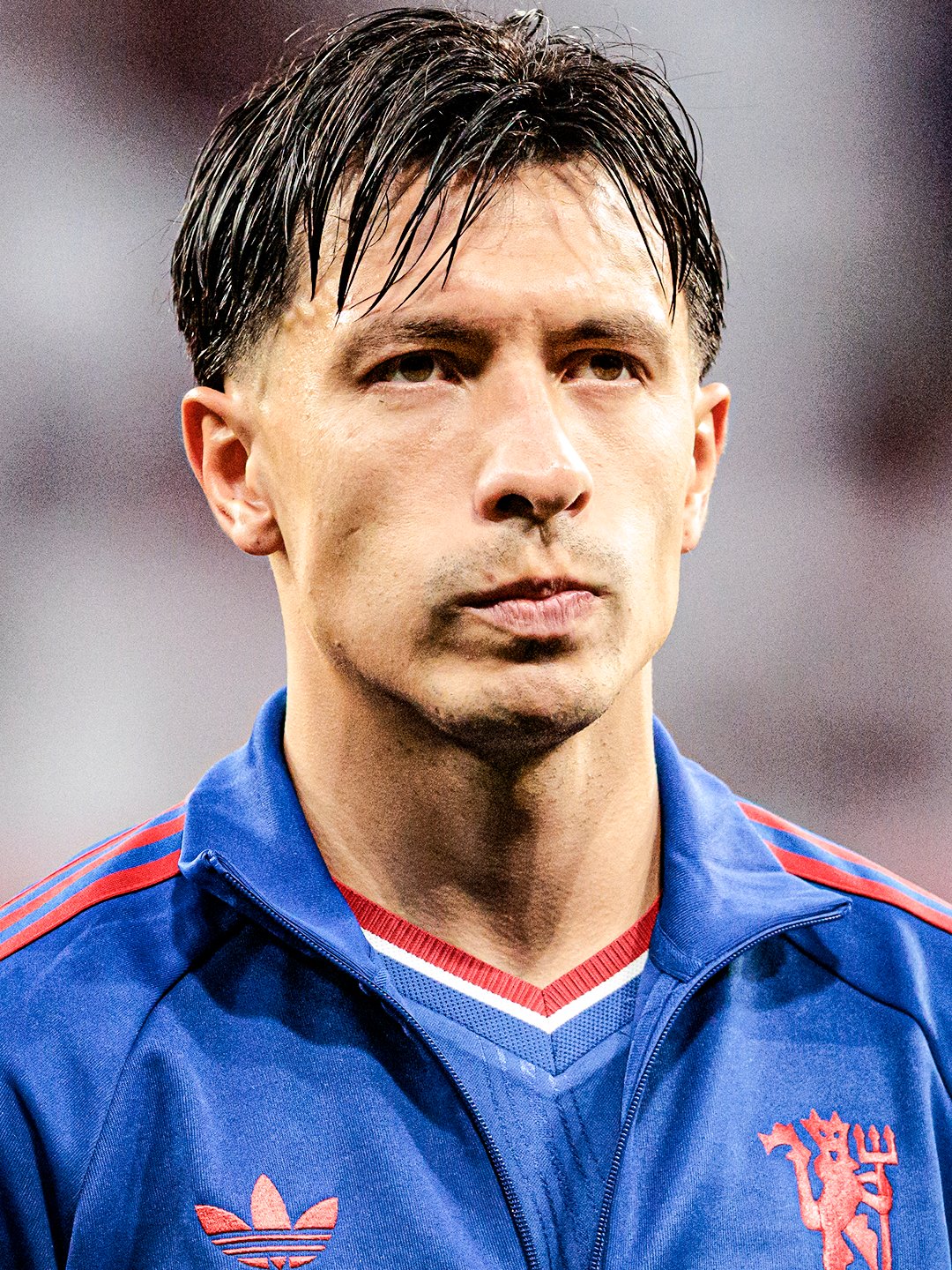
Licha Drops the Mask: Martínez Exposes United's Rotten Core, But the Dressing Room Isn't Innocent

Breaking
Man City Found Guilty. Two Weeks Later: "94% of Clubs Are Losing Money." Coincidence?
Published Wednesday, 16 September 2026. Published through the Nisty Football newsroom.
Fan reaction
Comments (0)
Leave a comment
No account needed · 0 approved
0/1500 characters · comments are reviewed before publication
More from Nisty Football
Related stories
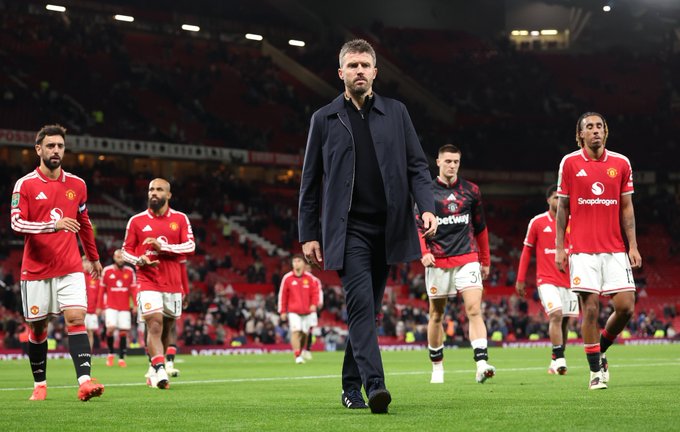
A Man Up, a Goal Ahead, Yet No Victory: Has Michael Carrick Run Out of Answers at Manchester United?
is Carrick struggling to find the answers, or are Manchester United’s problems deeper than their manager?
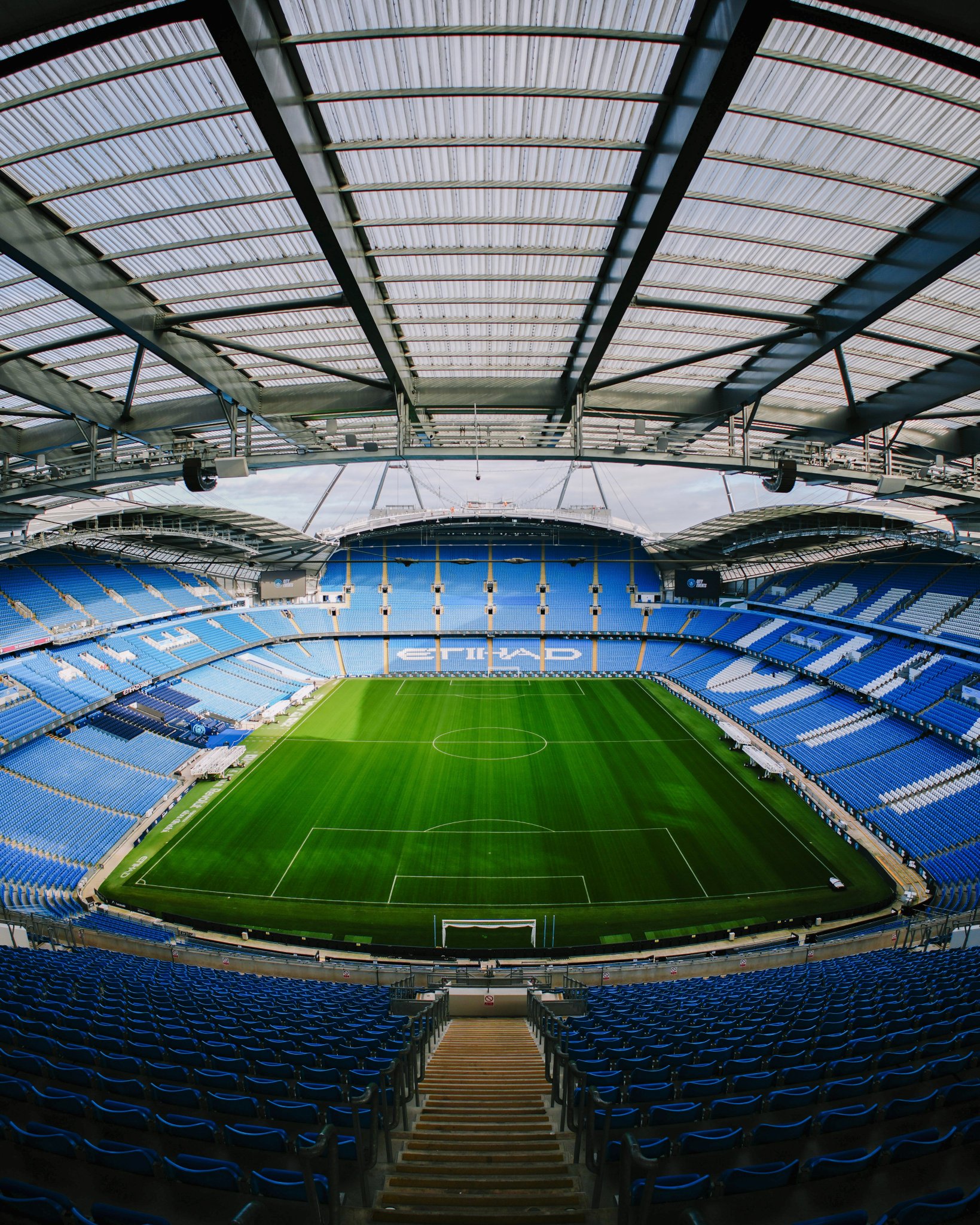
Are Premier League Rules Only for the Clubs Without Billionaire Owners?
Manchester City’s 115 charges and the prolonged wait for resolution raise serious questions about financial fairness, accountability, and the Premier League’s credibility.
WHAT FIFA KNEW BEFORE NIGERIA LOST TO DR CONGO
The Super Eagles’ defeat to DR Congo was painful enough. The revelations surrounding Lionel Mpasi’s eligibility have turned that heartbreak into a much bigger question about football’s governing system.
What Messi’s Farewell Tells Us About Ronaldo’s Unfinished Story
And now, as their international careers approach their final chapters, perhaps the most fascinating comparison is no longer about what they achieved. It is about how their stories are ending.”