Senegal Crowned AFCON Champs
Senegal have been reinstated as Africa Cup of Nations champions after a CAS ruling overturned an earlier decision. What does this mean for African football and global football politics? In this article, we break down the implications of this sensational verdict.
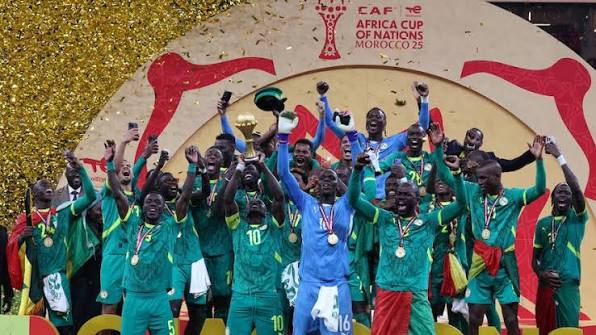
The Court of Arbitration for Sport (CAS) has delivered their verdict, reinstating Senegal as the champions of the Africa Cup of Nations. This ruling comes after a lengthy legal battle, which saw the initial result of the final between Senegal and Morocco overturned in favour of the latter. The CAS verdict is a significant development in the world of African football, and its implications will be felt for years to come. The journey to this final legal conclusion has gripped the continent, transforming a traditional football tournament into a complex high-stakes boardroom drama that exposes the fragile and often turbulent intersections of on-field action, disciplinary bodies, and international sports law.
What Happened
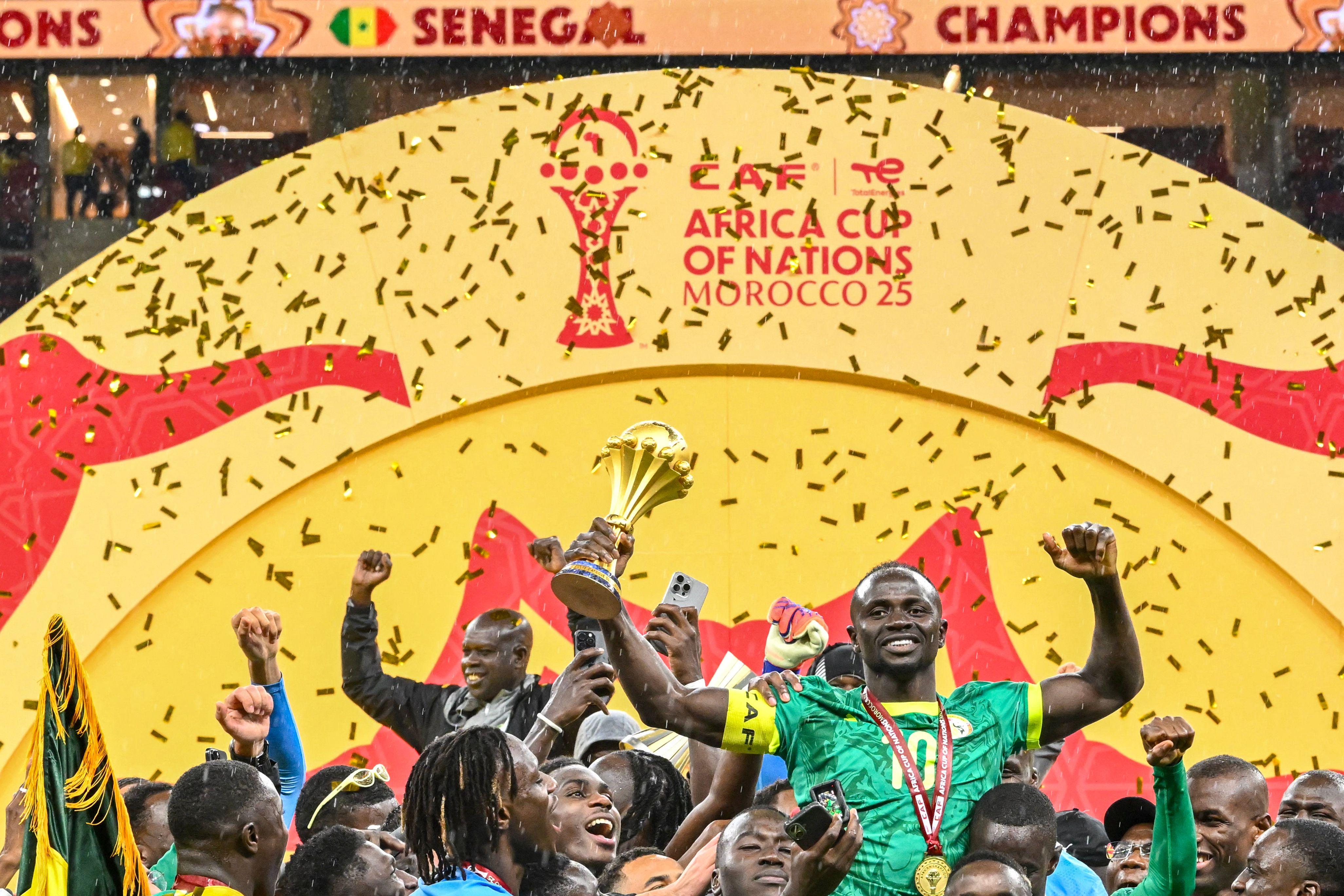
Senegal won back the Africa Cup of Nations title in a legal fight on Tuesday after the Court of Arbitration for Sport overturned an earlier ruling. This decision confirms Senegal's 1-0 victory against Morocco in the final. The initial result was overturned in March, with Morocco being awarded a 3-0 win. However, the CAS ruling has now restored Senegal's championship title, firmly placing their hard-fought win back into the official history books. Ten months of exhaustive appeals, counter-claims, and legal wrangling have finally culminated in this definitive verdict, offering a sense of closure to a tournament that had been clouded by administrative limbo since the final whistle blew earlier in the year.
The Background
The 2025 Africa Cup of Nations final was marred by controversy, with Senegal walking off the pitch during the match. The dramatic walk-off incident led to a lengthy dispute over the result, with both teams presenting their cases to the relevant sporting authorities. The CAS ruling came ten months after the final, bringing an end to the uncertainty surrounding the championship. This context is vital for understanding how a match that seemingly concluded on the pitch mutated into a protracted international legal dispute. The walk-off created an immediate disciplinary nightmare, prompting initial punishments and counter-punishments that shifted the trophy from one nation to another before the Swiss-based court ultimately intervened.
How We Got Here
The pathway from the dramatic pitchside scenes of January to the final legal pronouncement in late November was paved with escalating institutional conflict. When Senegal walked off during the tense final encounter, they handed the disciplinary committees a scenario with few easy precedents. The immediate aftermath saw the match result challenged, leading to the March ruling that handed Morocco a 3-0 victory and seemingly stripped Senegal of their glory. Refusing to accept the administrative reversal, the Senegalese football hierarchy took their fight all the way to the Court of Arbitration for Sport. This legal escalation dragged the tournament's legacy through months of administrative uncertainty, turning every regulatory update into headline news across global sports media outlets.
What it Means
The CAS verdict has significant implications for African football and its broader institutional framework. It sets a precedent for future disputes and highlights the importance of fair play, legal recourse, and adherence to established regulations. The ruling also underscores the power dynamics at play in global football politics, with the CAS emerging as a crucial, ultimate arbiter in resolving continental disputes when local or regional governing bodies become deadlocked. As reported by The Guardian, Senegal's reinstatement as champions confirms their controversial 1-0 victory against Morocco in the record books. Beyond the immediate joy for Senegalese supporters, the decision forces administrators across the continent to examine how disciplinary cases are handled, scrutinized, and ultimately judged before they ever reach international courts.
The Nisty Verdict
In our opinion, the CAS ruling is a victory for fair play and justice in African football. It sends a strong message that the rules of the game must be respected and that disputes will ultimately be resolved through the proper independent channels. However, the verdict also raises serious questions about the effectiveness and consistency of the current dispute resolution mechanisms within African football administration. As the sport continues to grow, command larger audiences, and generate immense economic value on the continent, it is essential that the relevant authorities prioritize transparency, accountability, and fairness in all decision-making processes. If African football is to avoid similar protracted legal sagas in future tournaments, the governing bodies must bridge the gap of trust between on-field governance and legal oversight.
Will the CAS verdict have a lasting impact on African football, and what does it mean for the future of the sport on the continent?
Read next
Stories you should not miss


Published Wednesday, 25 November 2026. Published through the Nisty Football newsroom.
Enjoyed it? Tell us — and pass it on
The discussion
What do you think? (0)
Leave a comment
No account needed · 0 approved
0/1500 characters · comments are reviewed before publication
The Daily Kick-off
Football in your inbox, every morning at 7am
One email: the overnight transfer moves, the tactical story of the night, and every fixture that matters today. No noise, no clickbait.
More from Nisty Football
Related stories

Is Liverpool's £125M Gamble Finally Paying Off? The Isak and Wirtz Evolution
Alexander Isak's brace and a Florian Wirtz strike against Club Brugge have sparked belief that Liverpool's massive attacking rebuild is finally clicking into gear.
Internal Rot at Bayern Munich: Lille Shock and Musiala Medical Uproar Exposed
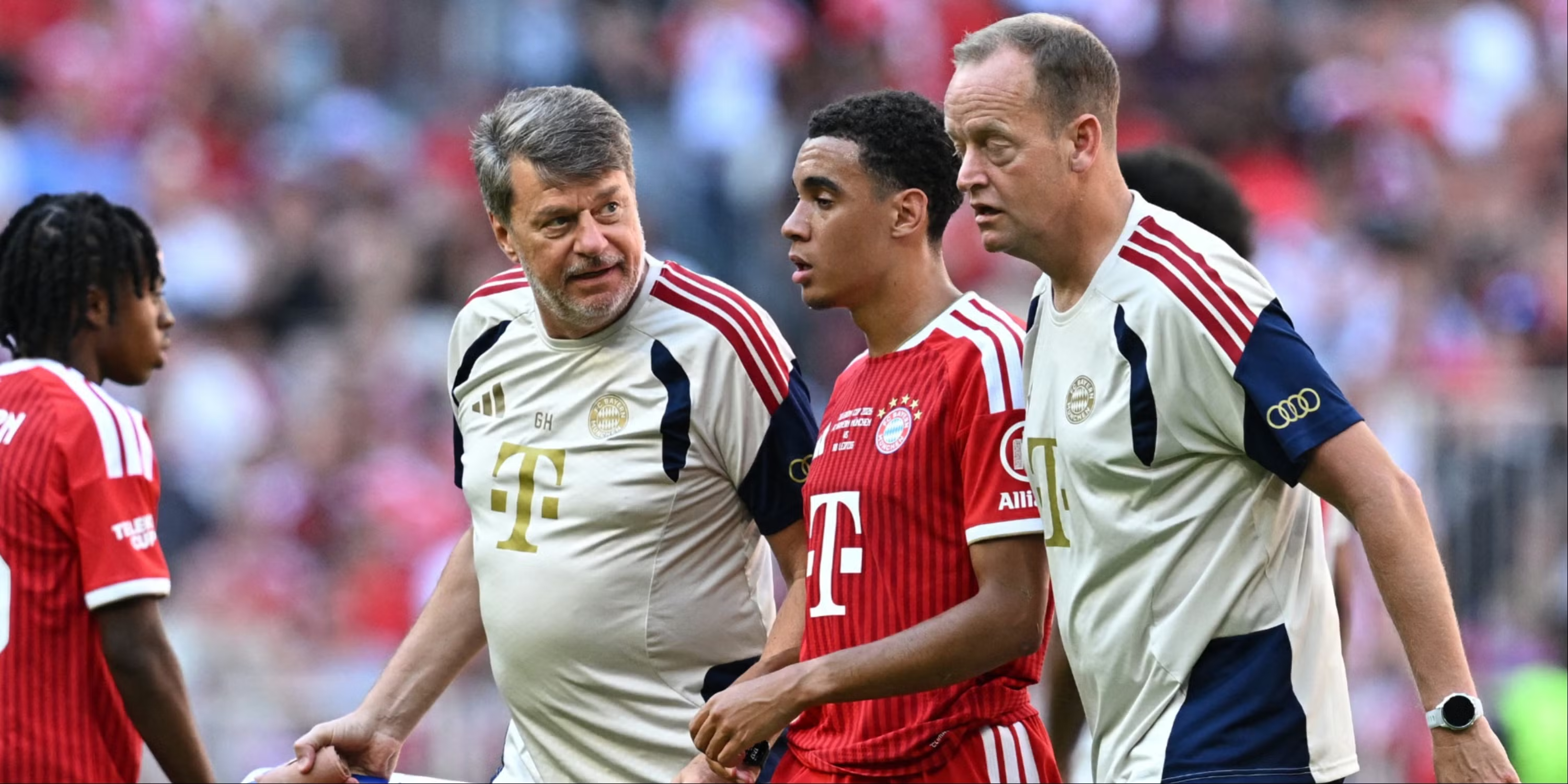
Bayern Munich's Champions League defeat to Lille has exposed deeper fractures, compounded by severe backlash over the handling of Jamal Musiala's medical data.
The Manchester United £450m Relegation Fear
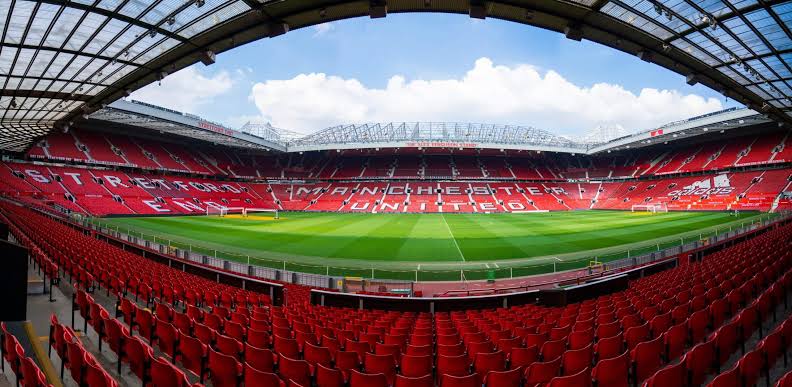
Manchester United are facing a historic crisis under Mauricio Pochettino, with reports stating the club must spend £150 million in January or risk a catastrophic £300 million relegation drop. The club's woes have been compounded by controversy surrounding refereeing and VAR decisions.
Chelsea Had the Ball, Leeds Had the Game: How Farke's Side Turned Possession Into a Nightmare
Chelsea enjoyed more possession but Leeds United dominated the decisive moments, producing a ruthless 4–1 victory at Stamford Bridge through intelligent transitions and clinical finishing.